

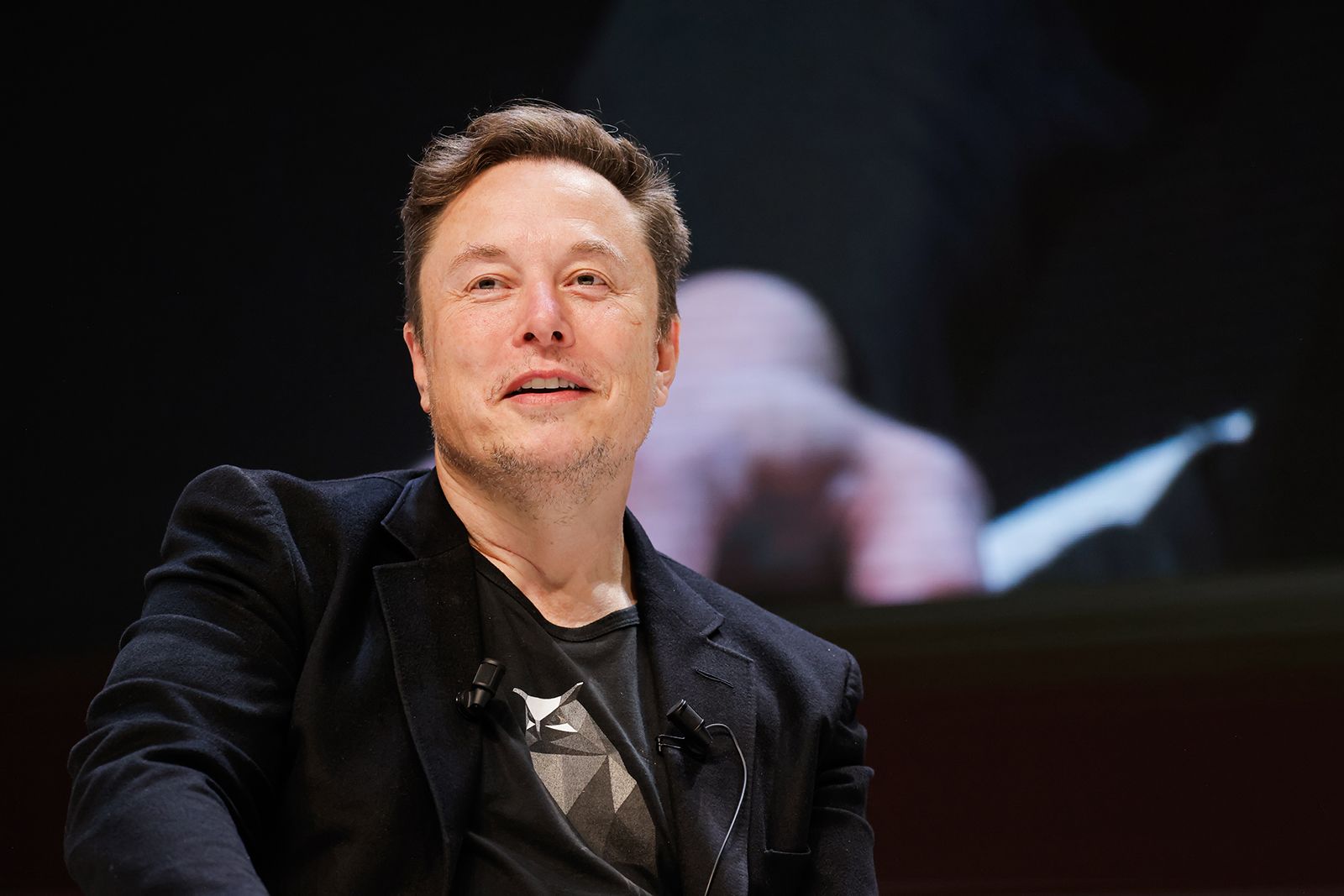
Elon Musk Criticizes Brazilian Judge Threatening to Suspend X (formerly Twitter)
Elon Musk, the billionaire entrepreneur and owner of X (formerly known as Twitter), has found himself embroiled in a legal battle in Brazil, where a judge has threatened to suspend the social media platform. Musk, known for his outspoken and often controversial remarks, has publicly criticized the judge’s actions, sparking a broader debate about free speech, regulation of social media, and the power of governments over tech platforms.
The Conflict
The conflict began when Brazilian authorities raised concerns about the spread of disinformation and hate speech on X. The platform, which Musk acquired in 2022 and rebranded as X in 2023, has been under increasing scrutiny worldwide for its handling of harmful content. In Brazil, the government has been particularly vigilant in addressing the spread of fake news, especially after recent political turmoil and controversial elections that saw a surge in online misinformation.
Brazilian judge José Batista de Santana Jr. issued a ruling threatening to suspend X if the platform did not take stronger action against disinformation and hate speech. The judge argued that the platform was failing to comply with local laws requiring the removal of harmful content and that continued violations could justify a temporary suspension of the service in Brazil. The ruling included a deadline for X to present a detailed plan on how it would comply with Brazilian regulations.
Musk’s Response
Elon Musk, never one to shy away from confrontation, responded to the judge’s threat with characteristic defiance. In a series of posts on X, Musk criticized the ruling as an attack on free speech and an overreach of governmental power. He argued that social media platforms should not be held responsible for every piece of content posted by users and that governments attempting to control online discourse were infringing on individuals’ rights to express themselves freely.
Musk framed the judge’s actions as part of a broader trend of censorship by governments worldwide, emphasizing that free speech was a core principle of X’s mission. He suggested that rather than policing content, platforms like X should prioritize open dialogue and allow users to debate and challenge each other’s ideas.
Musk’s comments quickly garnered attention and sparked a debate online, with many of his supporters backing his stance on free speech, while others criticized his handling of content moderation and accused him of downplaying the harmful effects of disinformation.
The Broader Context
This confrontation comes at a time when many countries, including Brazil, are grappling with how to regulate social media platforms without stifling free speech. Brazil, in particular, has been taking a more assertive stance on social media regulation, aiming to combat the spread of misinformation that has exacerbated political polarization in the country.
In 2021, Brazil passed a controversial law aimed at curbing fake news, requiring platforms to take down disinformation or face steep fines and potential suspension. The law has been praised by some as a necessary step to protect democracy and public safety, while others view it as an infringement on free speech and an attempt to control public discourse.
X has been one of the platforms most affected by these regulations, as its user base in Brazil is significant and politically active. Since Musk’s acquisition, X has undergone major changes, including a reduction in staff, less emphasis on content moderation, and the reintroduction of controversial accounts that were previously banned. These moves have drawn criticism from governments and advocacy groups, who argue that Musk’s approach is allowing harmful content to flourish.
The Impact of Musk’s Ownership on X
Since Elon Musk took over X, his approach to content moderation has often been a point of contention. Musk has positioned himself as a “free speech absolutist,” emphasizing the importance of open dialogue on the platform. However, critics argue that his policies have led to an increase in hate speech, disinformation, and other harmful content, as the platform has relaxed its content moderation policies and restored accounts that were previously banned.
Musk’s changes at X have had a global impact, with governments in multiple countries raising concerns about the platform’s handling of illegal or harmful content. In Europe, for example, X has faced investigations and fines under the EU’s Digital Services Act, which imposes strict rules on how platforms must deal with harmful content. Musk’s refusal to comply with certain regulations has led to tensions with governments, and the situation in Brazil is yet another example of the challenges Musk faces as he attempts to balance his vision for X with the demands of different jurisdictions.
The Future of X in Brazil
The outcome of this legal battle in Brazil remains uncertain. If X fails to meet the judge’s demands, it could face a temporary suspension, which would be a significant setback for the platform in one of its largest markets. A suspension could also embolden other countries to take similar actions against X if they believe the platform is not doing enough to combat harmful content.
On the other hand, Musk’s defiance could lead to further legal battles, as he has shown a willingness to challenge government regulations in court. It remains to be seen how the Brazilian government and judiciary will respond to Musk’s criticisms and whether a compromise can be reached that satisfies both parties.
Conclusion
Elon Musk’s clash with the Brazilian judiciary highlights the growing tensions between governments and social media platforms over content moderation and free speech. As X faces increasing pressure to comply with regulations around the world, Musk’s vision for the platform as a bastion of free speech is coming into conflict with the realities of operating in different legal and political environments. The situation in Brazil serves as a reminder that the debate over how to regulate social media is far from settled and that the decisions made in one country can have far-reaching implications for the future of online discourse.