

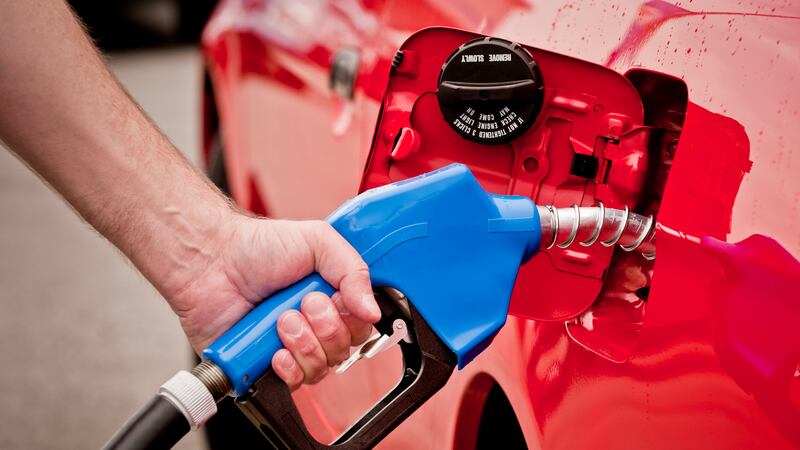
Gas Prices Falling Fastest in Same U.S. States Amid National Decline
As gas prices across the United States continue to decline, a pattern has emerged: the same states that saw the fastest price drops earlier in the year are again experiencing the most significant decreases. These states, primarily located in the Midwest and South, are benefiting from a variety of factors, including increased supply, regional economic conditions, and refining capacity. The recent price drops offer some relief to consumers after a year of volatility in energy markets.
National Gas Price Trends
Gasoline prices in the U.S. have been on a downward trend in recent months, reflecting changes in global oil markets, increased domestic production, and seasonal shifts in demand. After reaching record highs in mid-2022 due to factors such as the Russia-Ukraine conflict and pandemic-related supply chain disruptions, prices have steadily fallen as markets stabilized. This has been a welcome change for American drivers, who have faced financial pressure from rising inflation and high energy costs.
According to data from the American Automobile Association (AAA), the national average price for a gallon of regular gasoline has decreased by over 30 cents in the last few months. Although prices remain higher than pre-pandemic levels, the recent decline has provided some economic relief.
Fastest Declines in Key States
Several states have seen their gas prices drop faster than the national average, with some experiencing declines of more than 50 cents per gallon. The states leading the way in price drops include:
- Texas: With its robust oil production and proximity to Gulf Coast refineries, Texas has consistently seen some of the lowest gas prices in the country. The state’s strong refining capacity and reduced demand during the winter months have contributed to sharp price declines. Major cities like Houston and Dallas have seen significant decreases, helping to ease the cost burden on commuters and businesses alike.
- Oklahoma: Oklahoma, another oil-producing state, has also seen substantial price reductions. The state’s abundant energy resources and relatively low fuel taxes aztec88 login have contributed to lower costs at the pump. Additionally, the state’s economy, which relies heavily on energy production, benefits from efficient distribution networks that help keep gas prices low.
- Louisiana: As one of the key hubs for U.S. oil refining, Louisiana has experienced some of the steepest declines in gas prices. The state’s extensive network of refineries and pipelines allows for efficient transportation of gasoline, helping to stabilize prices. The proximity to the Gulf of Mexico, where much of the country’s oil drilling occurs, also gives Louisiana an advantage in terms of supply.
- Mississippi: Like its neighboring states, Mississippi has benefited from its proximity to refineries and strong distribution networks. The state’s rural landscape, with fewer urban centers, also tends to lead to less demand compared to more densely populated states, contributing to faster price declines.
- Missouri: Missouri has been another standout in terms of falling gas prices. The state’s central location, combined with its strong infrastructure for transporting fuel, has helped keep prices down. In addition, local economic factors, such as lower labor costs and less congestion, have contributed to the rapid decline in gas prices.
Key Factors Driving the Decline
Several key factors are driving the faster decline in gas prices in these states:
- Proximity to Refineries and Pipelines: Many of the states seeing the fastest gas price declines are located near major oil refineries and pipelines, which lowers transportation costs and ensures a steady supply of fuel. States like Texas, Louisiana, and Oklahoma are home to some of the largest refining operations in the country, allowing them to benefit from lower prices.
- Economic Conditions: Regional economic conditions also play a role in gas price fluctuations. In states with lower wages and lower costs of living, fuel consumption tends to be more elastic, meaning that demand decreases more quickly when prices rise. As prices fall, these states tend to see faster drops due to the reduced demand pressure.
- Seasonal Factors: Gasoline prices typically decline during the winter months as demand for fuel decreases. This trend is especially pronounced in rural and less densely populated states, where driving activity slows during the colder months. These seasonal patterns help accelerate price declines in the states mentioned above.
- Increased Domestic Production: The U.S. has ramped up its domestic oil production in recent years, particularly in states like Texas and Oklahoma. This has helped reduce the country’s reliance on foreign oil, leading to more stable prices. The increased supply of domestic oil has also helped drive down prices in the regions where production is concentrated.
- Declining Global Oil Prices: A recent decrease in global oil prices has also contributed to falling gas prices in the U.S. The price of crude oil, which is the primary component of gasoline, has dropped as markets have adjusted to changes in supply and demand. While geopolitical factors continue to influence global oil prices, the overall trend has been downward, leading to lower costs for gasoline.
Outlook for the Future
While the recent decline in gas prices is good news for consumers, experts caution that prices could remain volatile in the coming months. Global oil markets are still influenced by factors such as OPEC+ production decisions, geopolitical tensions, and the ongoing energy transition toward renewables. Additionally, unexpected disruptions to supply chains, such as natural disasters or political instability, could lead to sudden price spikes.
For now, drivers in states like Texas, Oklahoma, and Louisiana can enjoy some relief at the pump, thanks to the combination of favorable economic conditions, strong energy infrastructure, and increased domestic production. However, continued monitoring of global energy trends and domestic production levels will be essential in determining the long-term direction of gas prices in the U.S.
Conclusion
The rapid decline in gas prices in certain U.S. states highlights the complex interplay of factors that influence fuel costs. From regional economic conditions to proximity to refineries and pipelines, these states have benefited from a perfect storm of conditions that have driven prices down faster than the national average. As the energy landscape continues to evolve, understanding these regional dynamics will be crucial in predicting future trends in fuel prices across the country.