

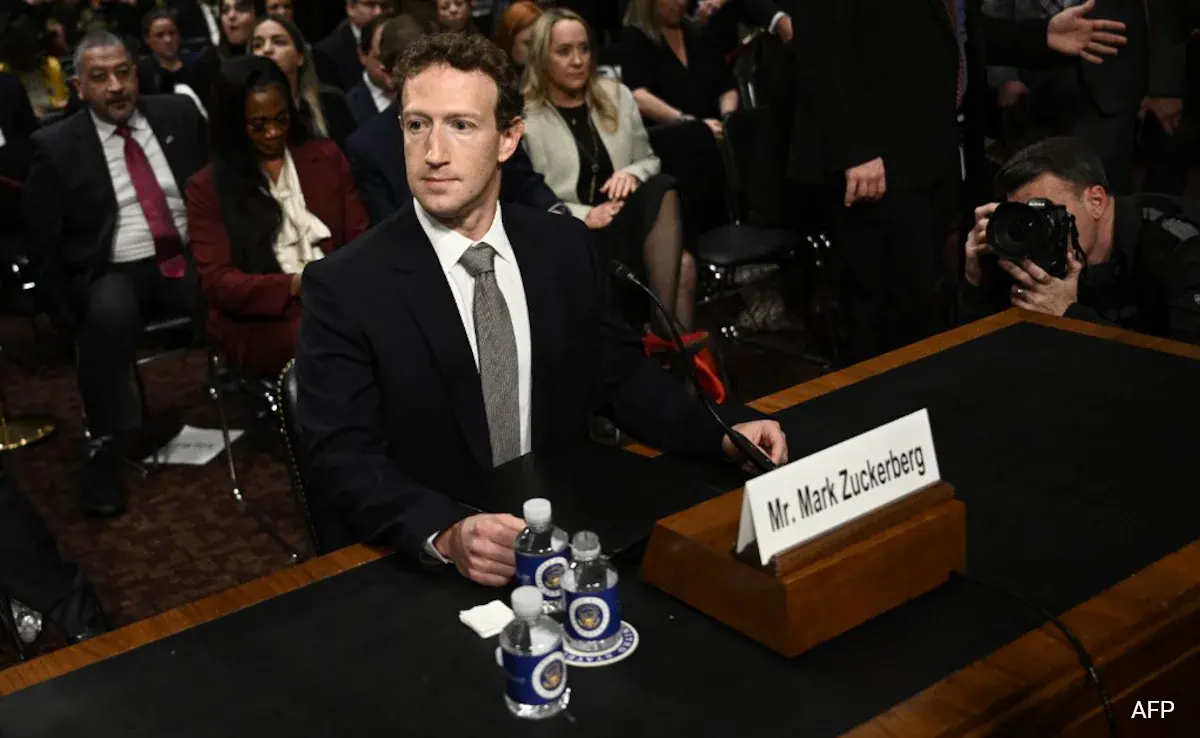
Mark Zuckerberg Reveals Meta Faced ‘Pressure’ from Biden Administration in 2021
In a surprising revelation, Meta CEO Mark Zuckerberg has stated that the company, formerly known as Facebook, was “pressured” by the Biden administration in 2021 to moderate content on its platforms. This claim, made during a recent interview, has reignited debates over the role of government in regulating social media and the challenges of balancing free speech with the fight against misinformation.
Zuckerberg’s Revelations: Government Pressure and Content Moderation
During the interview, Zuckerberg discussed the delicate position Meta found itself in during 2021, as it faced growing scrutiny from both the public and government over its handling of misinformation, particularly related to COVID-19 and the 2020 U.S. presidential election. According to Zuckerberg, the Biden administration exerted significant pressure on the company to take stronger actions against misinformation, including removing certain posts and accounts that were deemed harmful or false.
Zuckerberg described the situation as a complex balancing act, where Meta had to navigate between the demands of government officials and the principles of free speech. “We were in a really tough position,” Zuckerberg said. “We were being pressured to act on misinformation, but at the same time, we had to consider the implications for free speech and the role of our platform in public discourse.”
The Context: Misinformation and the Pandemic
The period in question was marked by intense public and governmental concern over the spread of misinformation, particularly regarding COVID-19 vaccines and the 2020 election. The Biden administration, along with other public health officials, was vocal in its criticism of social media platforms for allowing false or misleading information to spread, which they argued was undermining public health efforts and eroding trust in democratic institutions.
In July 2021, President Biden notably accused Facebook of “killing people” by allowing misinformation about COVID-19 vaccines to proliferate on its platform. While the White House later softened its rhetoric, the message was clear: the administration expected social media companies to take more aggressive action in combating misinformation.
The Debate Over Government Influence and Free Speech
Zuckerberg’s comments have sparked renewed debate over the appropriate role of government in regulating social media and the potential implications for free speech. Critics argue that government pressure on private companies to censor or remove content sets a dangerous precedent, potentially leading to a slippery slope where free expression is compromised in the name of combating misinformation.
Civil liberties advocates have expressed concern that government involvement in content moderation could lead to censorship and the stifling of legitimate dissent. “The First Amendment protects against government censorship, and when the government pressures private companies to remove content, it raises serious constitutional concerns,” said David Greene, a civil liberties attorney with the Electronic Frontier Foundation.
On the other hand, supporters of stronger content moderation argue that social media platforms have a responsibility to prevent the spread of harmful misinformation, especially during a global pandemic or when democracy itself is at stake. They contend that platforms like Facebook have the power to influence public opinion on a massive scale, and with that power comes the responsibility to act in the public interest.
Meta’s Response and Future Actions
In response to the controversy, Meta has reiterated its commitment to balancing free speech with the need to protect its users from harmful content. The company has invested heavily in content moderation, artificial intelligence, and partnerships with fact-checkers to identify and remove misinformation. However, it has also acknowledged the challenges of moderating content on a global platform and the difficulties of making decisions that affect millions of users.
Zuckerberg has indicated that Meta will continue to refine its approach to content moderation, learning from past experiences and striving to strike the right balance between protecting free speech and preventing harm. He also called for greater transparency and collaboration between tech companies, governments, and civil society to develop clear and consistent standards for content moderation.
The Broader Implications
Zuckerberg’s revelations highlight the ongoing challenges faced by social media platforms in the digital age. As governments around the world grapple with the spread of misinformation and the power of tech giants, the relationship between state influence and corporate decision-making will continue to be a contentious issue.
The situation also underscores the need for a broader societal conversation about the role of social media in public discourse and the limits of free speech in the digital era. As Meta and other platforms navigate these complex issues, their decisions will have far-reaching implications for the future of free expression, public trust, and the role of technology in shaping our world.
In the end, Zuckerberg’s comments serve as a reminder that the intersection of technology, government, and free speech is a challenging and evolving space—one that requires careful consideration and a commitment to upholding democratic values in an increasingly interconnected world.