

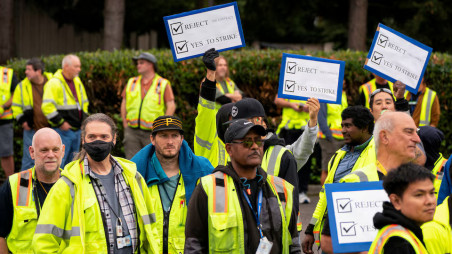
Boeing employees are set to vote on a new wage agreement that could bring an end to the ongoing strike, which has disrupted operations and raised concerns about the aerospace giant’s production capacity. The proposed deal comes after weeks of negotiations between the company and representatives from the International Association of Machinists and Aerospace Workers (IAM), aiming to address the demands of the workforce for better pay and improved working conditions.
Background of the Strike
The strike, which began earlier this month, involved thousands of Boeing workers who walked off the job in pursuit of higher wages and enhanced benefits. The IAM has been vocal about the need for fair compensation, particularly as inflation continues to affect the cost of living. Many workers have expressed frustration over stagnant wages while the company has reported significant profits and increased production rates.
Boeing, a major player in the global aerospace industry, has faced challenges in recent years, including supply chain disruptions and production delays. However, the recent strike has intensified scrutiny on the company’s labor practices and the treatment of its workforce.
Details of the Proposed Wage Agreement
The new wage deal, which will be presented to union members for a vote, includes several key components aimed at addressing the workers’ concerns:
- Wage Increases: The proposal outlines significant wage increases for workers across various job classifications, with some employees seeing raises of up to 15% over the life of the contract.
- Enhanced Benefits: The agreement also includes improvements to healthcare benefits and retirement plans, ensuring that workers are adequately supported as they plan for their futures.
- Job Security Provisions: To address concerns about job stability, the proposal includes provisions aimed at protecting workers from layoffs during downturns in production.
Union leaders have expressed cautious optimism about the proposed deal, highlighting the importance of solidarity among workers and the power of collective bargaining in achieving a fair resolution.
Potential Impact of the Vote
If approved, the new wage agreement could lead to a swift return to work for thousands of striking Boeing employees, allowing the company to resume normal operations and mitigate further production delays. Analysts believe that resolving the strike promptly is crucial for Boeing, especially as the demand for commercial aircraft continues to rise amid a recovering aviation market.
However, should the deal be rejected by union members, the strike could continue, potentially leading to prolonged disruptions in Boeing’s production schedule. The IAM has emphasized the importance of member input, encouraging workers to carefully consider the terms of the agreement before casting their votes.
The Importance of Labor Relations in the Aerospace Industry
The ongoing situation at Boeing underscores the critical role of labor relations in the aerospace industry. As companies navigate a rapidly changing market landscape, maintaining positive relationships with workers and addressing their concerns is vital for long-term success.
With labor movements gaining momentum across various sectors, Boeing’s approach to this strike could set a precedent for how similar disputes are handled in the future. The company’s willingness to negotiate and reach a fair agreement with its workforce could foster a more collaborative environment moving forward.
Conclusion
Boeing workers are poised to vote on a new wage deal that has the potential to end the current strike and restore normalcy to the company’s operations. As the aerospace industry continues to recover, the outcome of this vote will not only impact the workers involved but also shape Boeing’s labor relations strategy for years to come. With both sides expressing a desire for resolution, the hope is that this agreement can pave the way for a stronger partnership between Boeing and its workforce.