

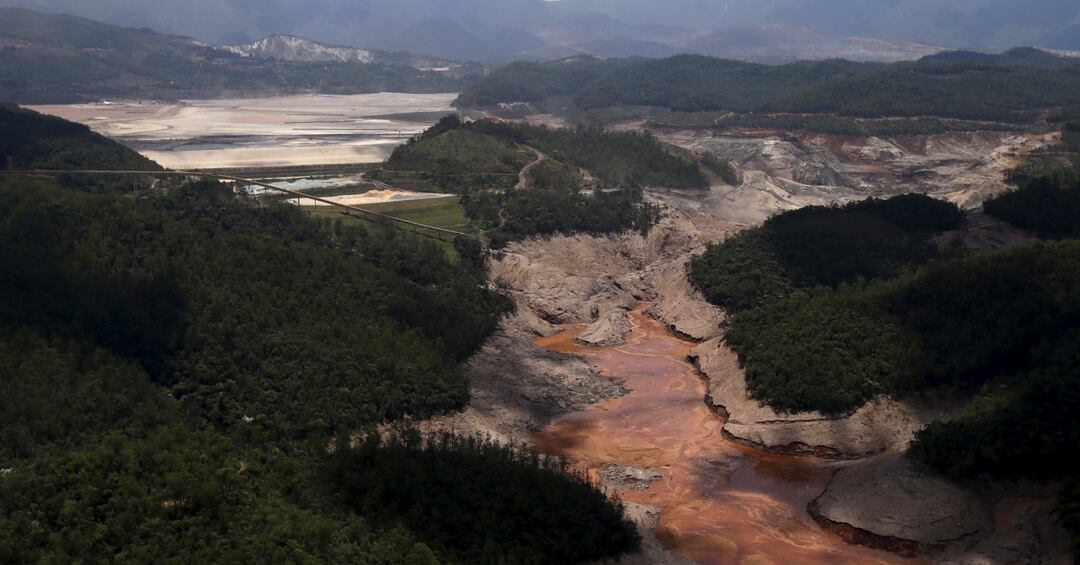
In a significant development for environmental justice, Brazil is set to finalize a landmark compensation agreement worth approximately $30 billion with mining companies involved in the catastrophic 2015 dam collapse in Mariana, Minas Gerais. The disaster, which resulted in the tragic loss of 19 lives and left entire communities devastated, has been a focal point of legal and environmental battles for nearly a decade.
Background of the Tragedy
On November 5, 2015, the Fundão dam, owned by Samarco—jointly operated by mining giants Vale and BHP Billiton—failed, releasing a torrent of toxic waste into the Doce River and surrounding areas. The collapse caused widespread destruction, submerging communities, contaminating water supplies, and leading to long-lasting ecological damage. The incident was one of the worst environmental disasters in Brazilian history and prompted outrage over corporate negligence and regulatory failures.
The Legal Battle
In the wake of the tragedy, numerous lawsuits were filed against Samarco, Vale, and BHP Billiton, with victims and affected communities demanding accountability and compensation for the damages incurred. Over the years, negotiations have taken place regarding reparations for those impacted by the disaster, including environmental restoration efforts and economic support for the displaced residents.
After years of legal wrangling and negotiations, the Brazilian government and the mining companies have reportedly reached a tentative agreement that could see the companies pay up to $30 billion in compensation. This agreement aims to cover a range of reparations, including environmental recovery, infrastructure rebuilding, and financial assistance to affected communities.
Details of the Compensation Agreement
While the final details of the compensation deal are still being finalized, reports indicate that the settlement will encompass several key components:
- Environmental Restoration: A significant portion of the compensation will be allocated to environmental recovery efforts in the affected regions, focusing on restoring ecosystems, rehabilitating contaminated land, and improving water quality in the Doce River.
- Community Support: The agreement will include provisions for financial support to families displaced by the disaster, ensuring they receive assistance for housing, education, and healthcare.
- Infrastructure Development: The companies will be responsible for funding infrastructure improvements in affected areas, including the reconstruction of public facilities and transportation networks.
- Monitoring and Accountability: To ensure transparency and accountability, an independent monitoring body may be established to oversee the implementation of the compensation plan and assess the progress of restoration efforts.
Implications for Corporate Responsibility
The potential settlement marks a crucial moment in Brazil’s approach to corporate responsibility and environmental protection. The 2015 dam collapse raised critical questions about the mining industry’s practices and the regulatory oversight necessary to prevent such disasters from recurring. The forthcoming agreement is seen as a step toward holding companies accountable for their actions and addressing the long-term consequences of their operations.
Environmental advocates have lauded the potential compensation deal, emphasizing the need for corporate accountability and stricter regulations to protect communities and ecosystems from the adverse impacts of mining activities. They view this settlement as a precedent for future cases involving environmental disasters and corporate negligence.
Conclusion
As Brazil prepares to finalize the $30 billion compensation deal with mining companies over the 2015 dam collapse, the agreement represents a significant milestone in the pursuit of justice for the victims and affected communities. This settlement underscores the importance of corporate responsibility and highlights the need for ongoing efforts to protect the environment and ensure the welfare of those impacted by industrial activities.
The Mariana disaster serves as a sobering reminder of the risks associated with mining and the imperative for robust regulatory frameworks to prevent similar tragedies in the future. As the country moves forward, the focus will remain on ensuring that the commitments made in the compensation deal are honored and that the lessons learned lead to stronger protections for both people and the environment.