

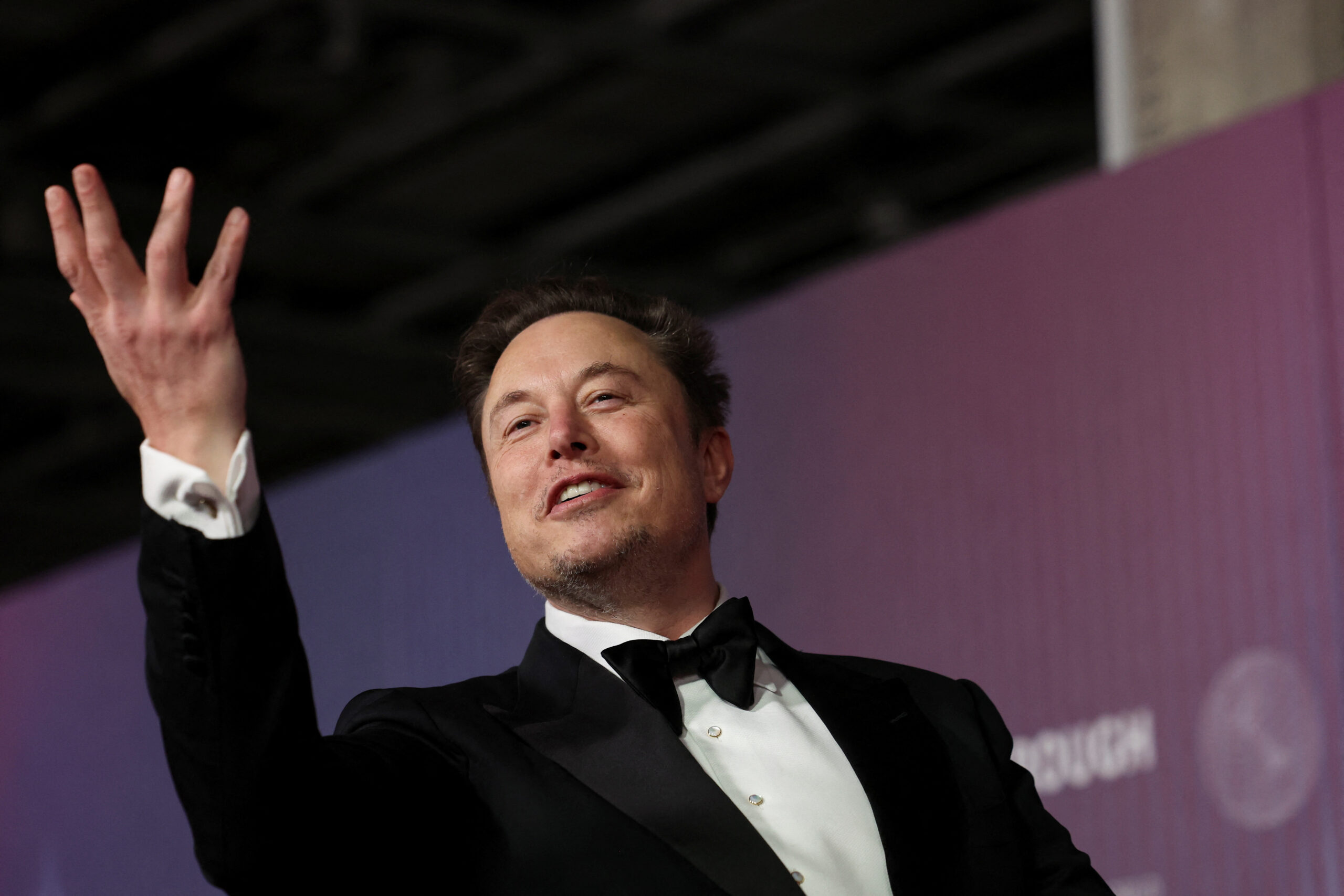
New Delhi, India — In a significant development for the Indian telecommunications market, Elon Musk’s SpaceX has successfully secured a satellite spectrum license from the Indian government, paving the way for the company to offer satellite-based internet services in the country. This move not only highlights Musk’s ambitious plans for global connectivity but also raises the specter of a competitive showdown with Indian telecom magnate Mukesh Ambani and his company, Reliance Jio.
SpaceX’s Satellite Spectrum License
The Indian government’s approval for SpaceX to operate its satellite communications services marks a pivotal moment in the nation’s telecommunications landscape. Musk’s Starlink service aims to provide high-speed internet access to underserved and rural areas across India, addressing the significant digital divide that persists in the country.
With this new license, SpaceX is expected to roll out its services in the coming months, leveraging its constellation of low Earth orbit (LEO) satellites to deliver broadband connectivity. The entry of Starlink into the Indian market is anticipated to introduce innovative technologies and greater competition, ultimately benefiting consumers through improved services and pricing.
A Competitive Challenge for Reliance Jio
Musk’s foray into the Indian satellite internet market poses a formidable challenge to Reliance Jio, which has rapidly established itself as a dominant player in India’s telecom sector. Under Ambani’s leadership, Jio has been instrumental in transforming the Indian telecommunications landscape, offering affordable data plans and extensive 4G coverage.
With SpaceX’s satellite-based services potentially offering an alternative to traditional broadband and mobile internet, there is growing speculation about a price war between the two companies. Ambani’s Reliance Jio is known for its aggressive pricing strategies, and the entry of Starlink may compel Jio to reconsider its pricing models to retain its customer base.
Potential Impact on Consumers
The prospect of a price war between SpaceX and Reliance Jio could lead to substantial benefits for Indian consumers. As competition intensifies, customers may see lower prices and enhanced service offerings, particularly in rural and remote areas where internet connectivity is often limited.
Moreover, the availability of satellite internet services could incentivize Jio to improve its infrastructure and expand its reach further into underserved regions. This development aligns with the Indian government’s initiatives to enhance digital connectivity as part of its broader vision for a digitally empowered society.
Regulatory and Operational Challenges
While Musk’s win in securing the satellite spectrum license is a significant milestone, SpaceX will face regulatory and operational challenges in the Indian market. The company must navigate the complexities of local regulations, establish partnerships with Indian telecom entities, and ensure compliance with the government’s guidelines for satellite communications.
Furthermore, the success of Starlink in India will depend on its ability to deliver reliable services and effectively compete with Jio’s extensive network. As the company prepares to launch its operations, it will need to build a robust customer support system to address potential service-related issues.
Conclusion
Elon Musk’s acquisition of the satellite spectrum license in India heralds a new chapter in the country’s telecommunications landscape, with significant implications for competition and consumer choice. As SpaceX prepares to launch its Starlink services, the anticipated clash with Mukesh Ambani’s Reliance Jio could lead to a transformative price war that benefits consumers across India.
The evolving dynamics in the telecommunications sector underscore the importance of innovation and competition in driving improvements in connectivity and service delivery. As the battle for market share unfolds, all eyes will be on how these two tech titans navigate the complexities of the Indian market and the impact on the millions of consumers eager for better internet access.