

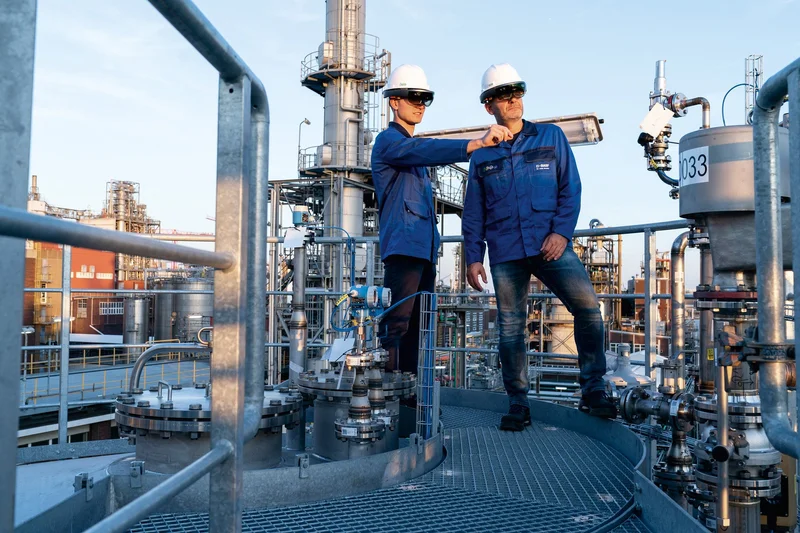
Germany’s chemicals industry, one of the country’s most important and export-driven sectors, is calling for urgent regulatory reform and a comprehensive growth agenda to remain competitive in an increasingly globalized and environmentally-conscious world. Amid ongoing challenges related to sustainability, economic pressures, and evolving global markets, the German chemical industry, which employs hundreds of thousands of people and contributes significantly to the nation’s GDP, is pushing for policies that will enable it to lead the way in innovation, green technology, and economic growth.
The sector’s lobby groups, including the German Chemical Industry Association (VCI), are urging the German government to take proactive steps in reforming existing regulations, which they argue have become a barrier to growth and innovation. At the same time, they are calling for a more robust strategy to foster the sector’s competitiveness as Germany faces a transformation toward sustainability, digitalization, and greener manufacturing practices.
The Challenges Facing Germany’s Chemical Industry
The chemical industry in Germany, which is a cornerstone of Europe’s manufacturing base, is currently navigating a complex landscape shaped by a variety of factors. Chief among these are the growing pressure to meet climate targets, stricter environmental regulations, and the need for digital transformation.
Germany, which has long been a leader in industrial manufacturing, is now grappling with the broader challenges of energy transition and the European Union’s ambitious Green Deal. With a heavy reliance on energy-intensive processes, the chemical sector has come under scrutiny as the EU seeks to decarbonize industries, reduce emissions, and shift towards sustainable energy sources.
At the same time, global competition is intensifying as chemical companies from countries like China, the U.S., and India gain market share. The rise of cheaper energy costs and lax environmental regulations in some regions makes it difficult for German chemical manufacturers to compete on a level playing field. The high cost of energy in Germany—exacerbated by the country’s transition away from coal and nuclear power—has added additional strain on the sector.
Furthermore, disruptions in global supply chains—caused by the COVID-19 pandemic, geopolitical tensions, and trade uncertainties—have further destabilized the chemical industry, which relies heavily on raw materials and international exports.
Regulatory Reform: A Key Request from the Lobby
The chemical industry is urging the German government to undertake comprehensive regulatory reforms to facilitate growth and ensure that businesses can remain competitive in the face of these challenges. In particular, the industry is calling for a simplification of complex bureaucratic processes that hinder the timely approval of new projects, technologies, and innovations.
The chemical industry is heavily regulated, with numerous laws and policies governing everything from safety standards to environmental protection. While these regulations are important for ensuring safety and environmental responsibility, the VCI and other lobby groups argue that they often delay the rollout of new technologies, particularly those related to green chemistry, renewable energy, and sustainable production methods.
In particular, the lobby is advocating for the creation of a more flexible regulatory framework that allows for faster approval of new sustainable technologies and solutions. For example, developing and deploying technologies that reduce carbon emissions or allow for the recycling of raw materials can be slowed down by lengthy regulatory procedures. To foster innovation and growth, the chemicals sector has called for regulatory reforms that streamline approval processes without compromising safety or environmental standards.
Additionally, the chemicals lobby has called for reforms in the EU’s chemical regulations, such as REACH (Registration, Evaluation, Authorization, and Restriction of Chemicals), which, while aimed at protecting human health and the environment, is often seen as overly burdensome for businesses. Industry leaders argue that such regulations must evolve to balance protection with economic growth, especially as businesses face increasing pressure to decarbonize and innovate in new directions.
The Push for a Growth Agenda
Beyond regulatory reform, the German chemicals sector is advocating for a clear, comprehensive growth agenda that will enable it to capitalize on emerging opportunities in sustainability, digitalization, and global markets. A central part of this agenda is increasing investment in green technologies that support Germany’s climate goals, such as the production of low-carbon hydrogen, carbon capture and storage (CCS), and circular economy practices that reduce waste and promote the reuse of materials.
As Germany works to achieve its ambitious net-zero carbon target by 2045, the chemical industry is seen as a key player in reaching this goal. The sector is calling for more incentives for businesses to invest in green innovation, such as tax breaks or subsidies for research and development in sustainable production methods.
The chemicals lobby is also advocating for better access to finance, particularly for small and medium-sized enterprises (SMEs) within the sector, which often struggle to secure funding for innovative projects. By fostering a more supportive financial environment, Germany’s chemicals sector could accelerate the transition to greener, more sustainable business models while maintaining its competitiveness on the global stage.
Another important aspect of the growth agenda is fostering greater collaboration between the chemical industry, government, and academic institutions. This could help bridge the gap between cutting-edge research and real-world application, enabling the sector to drive the development of next-generation technologies and products. A greater emphasis on research and development (R&D) in fields such as renewable energy, biochemicals, and sustainable polymers could help the industry diversify its offerings and tap into growing demand for environmentally friendly alternatives.
International Competitiveness and Trade Policy
Germany’s chemicals lobby has also pointed out that, in order to maintain its global leadership in chemicals, the country must continue to push for fair trade policies that protect its domestic industries from unfair competition. The high cost of energy in Europe, particularly following the energy crisis exacerbated by Russia’s invasion of Ukraine, has made German manufacturers less competitive compared to companies in regions with cheaper energy costs.
The lobby has called on the government to negotiate more favorable energy agreements at the EU level and ensure that the carbon border adjustment mechanism (CBAM) is applied fairly to imports from countries with looser environmental regulations. By ensuring a level playing field, the German chemicals industry could maintain its competitive edge in a global market while continuing to push for sustainability and environmental responsibility.
Conclusion: A Strategic Turning Point for Germany’s Chemical Sector
The German chemical industry stands at a pivotal moment in its long history, with the potential to lead the way in sustainable manufacturing and technological innovation. However, to realize this potential, the industry requires regulatory reform, a clear growth agenda, and a supportive environment for green investment. By responding to these needs, Germany can ensure that its chemical sector remains a global leader, driving both economic growth and environmental sustainability.
For the German government, the call for regulatory reform and a growth agenda represents an opportunity to align economic objectives with climate goals, creating a future where both industry and the environment can thrive together.