

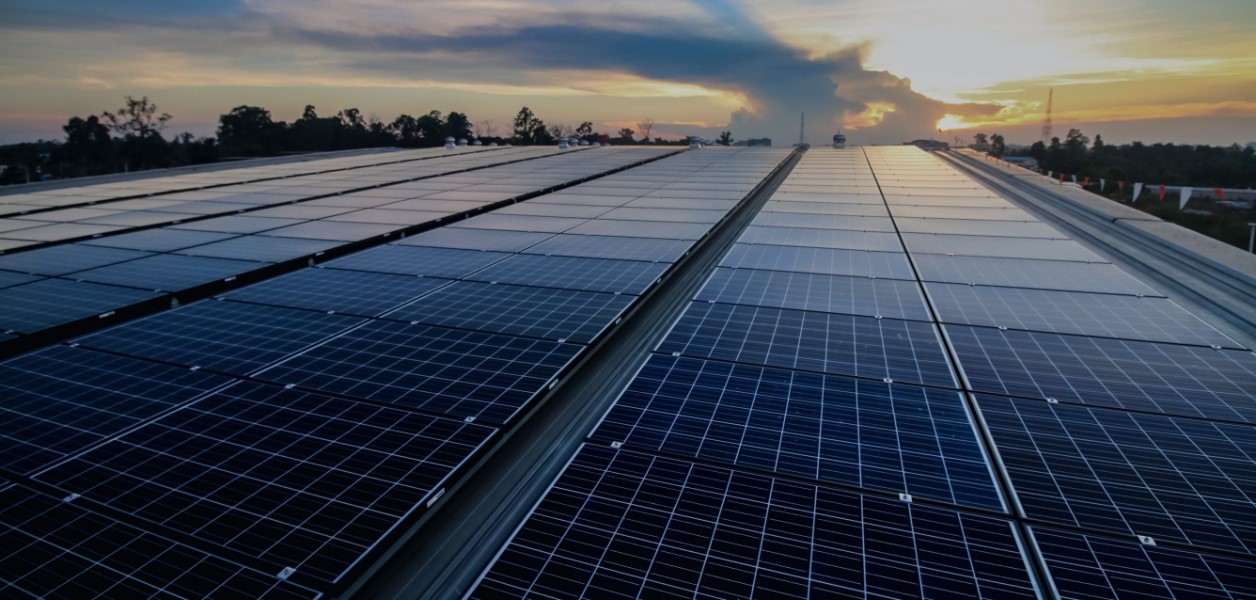
A Major Milestone in the Global Transition to Renewable Energy
The world’s solar power capacity has officially surpassed 2 terawatts (TW), marking a monumental milestone in the ongoing push toward a cleaner, more sustainable future. According to new data released by the International Renewable Energy Agency (IRENA), the global solar capacity has seen exponential growth over the past decade, with countries across the world investing heavily in solar energy infrastructure as part of efforts to meet climate targets and reduce dependence on fossil fuels.
This significant achievement is not just a reflection of growing demand for renewable energy but also a clear indication that the transition to clean power is accelerating. As solar energy becomes increasingly cost-competitive with fossil fuels, it is playing a pivotal role in helping countries reduce their carbon footprints and contribute to the fight against climate change.
The Surge in Solar Energy: From 1 TW to 2 TW
The 2 TW milestone, reached in late 2023, comes just a few years after the global solar capacity reached the 1 TW mark in 2018. This rapid growth has been driven by a combination of technological advancements, plummeting costs for solar panels, and strong policy support from governments around the world.
IRENA’s data shows that solar photovoltaics (PV) now represent the largest and fastest-growing renewable energy source globally, with capacity increasing at an average rate of nearly 20% per year since 2010. This growth trajectory is expected to continue in the coming years, with global solar capacity projected to exceed 3 TW by the end of the decade, based on current expansion trends.
The increase in solar power generation capacity is not only a testament to technological innovation but also a reflection of broader geopolitical and economic shifts. As countries work to meet the Paris Agreement targets of limiting global warming to well below 2°C, renewable energy—led by solar—is increasingly seen as a key pillar of energy security, sustainable development, and climate resilience.
Global Investments Driving Solar Growth
Several factors have contributed to the dramatic rise in solar capacity, with global investments in clean energy playing a critical role. According to IRENA’s report, $380 billion was invested in solar PV technologies in 2022 alone, accounting for more than a third of global clean energy investment. This surge in investment is largely due to decreasing installation costs, improved energy storage solutions, and the growing realization that renewable energy is not just an environmental imperative but also a financially viable and increasingly profitable sector.
Countries like China, India, the United States, and the European Union have been at the forefront of this investment, pushing large-scale solar initiatives, offering financial incentives, and adopting ambitious renewable energy targets.
- China, the world’s largest solar producer, now accounts for more than 35% of global solar capacity. The country’s ongoing expansion of solar power generation is supported by both government mandates and private-sector investments, making it a leader in global solar energy.
- India, with its vast renewable energy potential, has become a major player in solar energy expansion, with initiatives like the International Solar Alliance and aggressive renewable energy targets driving massive solar capacity additions in the country.
- The United States, while facing political challenges, continues to ramp up its solar capacity through incentives such as the Inflation Reduction Act (IRA), which provides tax credits and financial backing to the clean energy sector, including solar energy.
- In Europe, nations like Germany, Spain, and France have also increased their solar installations significantly, contributing to the EU’s ambitious goal of becoming carbon neutral by 2050.
Solar’s Role in Climate Goals
Reaching 2 TW of global solar capacity is a crucial step in meeting international climate targets, particularly the Paris Agreement and Net Zero commitments. The Intergovernmental Panel on Climate Change (IPCC) has consistently emphasized the need for an exponential ramp-up in renewable energy technologies, with solar energy expected to play a dominant role in the decarbonization of global energy systems.
By 2030, the world needs to have reduced global carbon emissions by nearly 45% from 2010 levels to keep global temperature rise below 1.5°C. Solar energy, along with other renewable sources such as wind and hydropower, will be integral to achieving these targets. According to the IRENA, solar power alone could meet up to 25% of global electricity demand by 2050, making it one of the most cost-effective solutions for achieving a decarbonized energy system.
The transition to solar energy not only helps reduce carbon emissions but also contributes to broader sustainability goals. It enables energy independence, reduces air pollution, and can create millions of new jobs in the renewable energy sector. Additionally, solar power is increasingly seen as essential to supporting energy access in developing countries, where it can offer affordable and reliable electricity in areas that are not connected to national grids.
Challenges to Solar Expansion
While the milestone of 2 TW represents significant progress, challenges remain in fully unlocking the potential of solar energy.
- Energy Storage: One of the primary hurdles for solar energy adoption is the issue of intermittent generation. Solar power production depends on sunlight, which is not available 24/7. However, advancements in battery storage technologies are beginning to address this challenge, allowing solar energy to be stored for use at night or during cloudy days.
- Grid Integration: Integrating large-scale solar energy into existing electrical grids can be complex, especially in regions with outdated grid infrastructure. Upgrading grids to handle variable renewable energy sources, including solar, is crucial to ensuring that solar capacity can be fully utilized.
- Land and Resource Use: Large-scale solar farms require vast amounts of land, and the environmental and social impact of land-use change must be considered. However, innovations such as floating solar panels and the use of rooftop solar systems are helping mitigate these issues.
- Policy and Regulation: The continued growth of solar energy is closely tied to strong government policies and financial incentives. In some regions, political instability or slow policy implementation has hindered solar adoption, making it essential for governments to create stable and long-term renewable energy frameworks.
Looking Ahead: Solar’s Bright Future
The milestone of 2 TW is just the beginning for solar energy. According to experts, global solar capacity could reach 4 TW by 2030, with IRENA projecting that solar will become the world’s dominant energy source by mid-century. As the technology improves, installation costs continue to fall, and storage solutions become more efficient, solar will likely be at the forefront of the clean energy transition.
Solar power is no longer a distant dream but a proven, scalable solution to the world’s energy challenges. From residential rooftops to massive utility-scale projects, solar energy is shaping the future of the global energy landscape.
As countries strive to meet their climate goals and tackle the urgent threat of climate change, solar energy will continue to be a central piece of the puzzle. Reaching 2 TW of global capacity is an extraordinary achievement, but it is just the beginning. The path forward is clear: a sustainable, solar-powered world is within reach, and the momentum is only accelerating.
Conclusion
The world’s achievement of reaching 2 TW of solar capacity is a monumental step in the fight against climate change. With governments, businesses, and individuals embracing solar energy as a core part of the clean energy transition, the future looks brighter than ever. As costs fall, technology advances, and storage solutions improve, solar energy is set to play a pivotal role in meeting global climate goals and ensuring a more sustainable energy future for generations to come.