

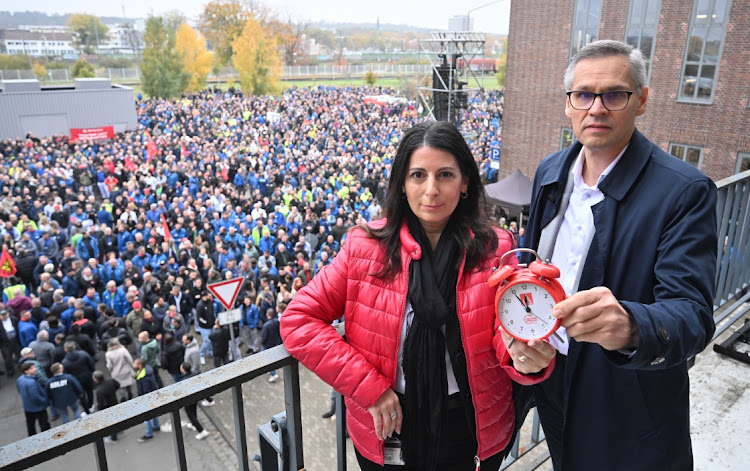
In a startling announcement that has raised concerns among workers and stakeholders alike, the labor chief of Volkswagen (VW), Bernd Osterloh, has voiced alarm over the potential for mass layoffs and the closure of three major plants in Germany. This news comes amidst a broader industry trend of automakers restructuring operations in response to economic pressures, shifting consumer preferences, and the transition to electric vehicles (EVs).
The Context of the Announcement
Osterloh’s warning comes at a time when the automotive industry is undergoing a significant transformation. As manufacturers pivot towards electric vehicles, many traditional combustion engine plants are facing uncertainty. The shift not only necessitates new production facilities but also involves re-skilling workers to adapt to new technologies.
VW, one of the largest automotive manufacturers in the world, has been under pressure to streamline operations and reduce costs. The rising costs of raw materials, supply chain disruptions, and the need to invest heavily in electric vehicle technology have all contributed to a challenging financial environment for the company. In this context, Osterloh’s comments highlight the human cost of these strategic shifts.
Impact of Plant Closures
The announcement of potential closures of three plants in Germany—locations that are crucial to VW’s operations—has sent shockwaves through the workforce. These plants are not only significant for their production capacity but also for the employment they provide to thousands of workers and their families. Osterloh emphasized the emotional toll this news has on employees who are already facing uncertainty about their futures.
The closures would mark a significant departure from VW’s longstanding presence in Germany, where the company has been a cornerstone of the automotive industry and a major employer. Local economies that rely heavily on these plants could also suffer, leading to broader socio-economic impacts in the regions affected.
Union Response and Worker Concerns
Unions have been quick to respond to Osterloh’s alarming comments, expressing deep concern over the potential layoffs and plant closures. The IG Metall union, which represents workers in the metal and electrical industries, has vowed to fight for job security and the rights of employees. Union leaders are calling for urgent negotiations with VW management to address the situation and seek alternatives to layoffs.
Workers themselves have expressed anxiety about their job security and the future of the company. Many employees fear that the shift towards electric vehicles could lead to a diminished workforce, as production methods and job requirements change. There is also concern about the adequacy of retraining programs for workers transitioning from traditional automotive roles to positions in EV manufacturing.
The Road Ahead for VW
As VW navigates this challenging period, the company must find a balance between restructuring for the future and maintaining its commitment to its workforce. This includes not only investing in new technologies and plant facilities but also ensuring that workers have access to training and support during the transition.
The automotive industry as a whole is at a crossroads, with the need to adapt to changing market dynamics and consumer preferences for sustainable transportation solutions. For VW, successfully managing this transition while preserving jobs will be critical to its reputation and long-term viability.
Conclusion
Bernd Osterloh’s warning about mass layoffs and plant closures at Volkswagen underscores the significant challenges facing the automotive industry as it shifts towards electric vehicles. The potential impact on workers and local economies cannot be understated, and the situation calls for proactive measures from both VW management and labor unions. As the industry evolves, it is essential for companies to prioritize their workforce, ensuring that employees are supported and prepared for the future of automotive manufacturing. The road ahead will require collaboration, innovation, and a commitment to sustainable practices that benefit both the company and its employees.