

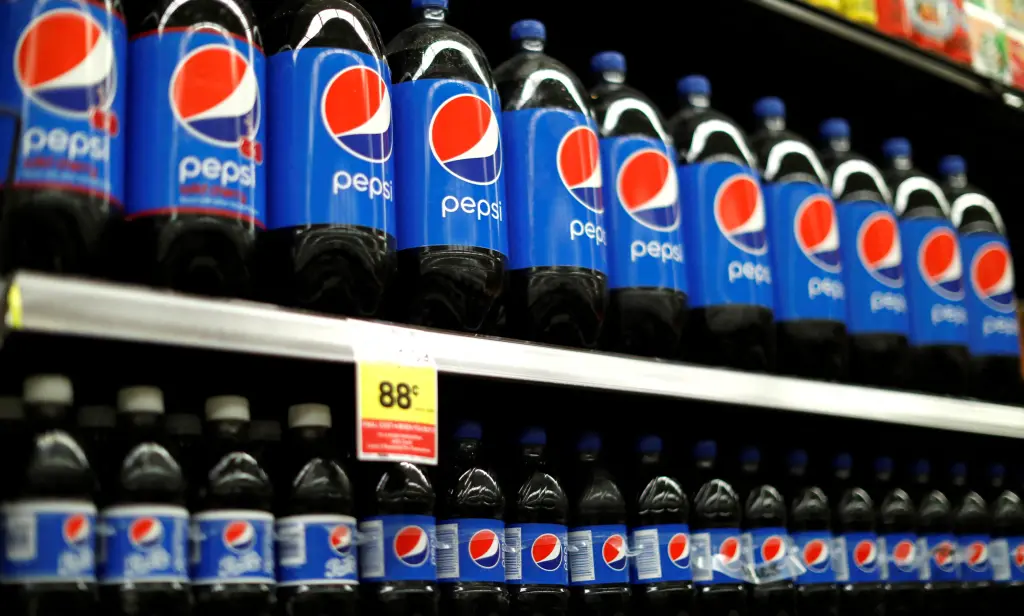
In a significant legal development, PepsiCo has successfully navigated a lawsuit filed by New York State regarding its alleged role in contributing to plastic pollution. The lawsuit, initiated by New York Attorney General Letitia James, aimed to hold the beverage giant accountable for the environmental impacts of its plastic packaging, claiming that PepsiCo’s practices violated state laws related to pollution and waste management.
Background of the Lawsuit
The lawsuit, which was part of a broader initiative by New York to combat plastic pollution, accused PepsiCo of creating a substantial amount of waste through its extensive use of single-use plastic bottles and packaging. The state argued that these practices contributed to environmental degradation, impacting waterways and ecosystems throughout New York. Attorney General James asserted that the company should be responsible for the cleanup and reduction of its plastic footprint.
PepsiCo’s Defense and Legal Arguments
In response to the lawsuit, PepsiCo mounted a robust defense, arguing that it has been proactive in addressing environmental concerns and has implemented various initiatives aimed at reducing plastic waste. The company pointed to its commitment to sustainability, including pledges to increase the recyclability of its packaging, invest in sustainable materials, and promote recycling programs.
PepsiCo also contested the lawsuit’s claims, asserting that the allegations were unfounded and that the company had already made significant strides in reducing its environmental impact. Their legal team emphasized the importance of collaboration between corporations and government entities to address plastic pollution rather than punitive measures that could hinder progress.
Court Ruling and Implications
After reviewing the arguments presented by both sides, the court ruled in favor of PepsiCo, dismissing the lawsuit on grounds that the claims did not adequately demonstrate a direct violation of state laws. The ruling is seen as a victory for PepsiCo, allowing the company to continue its sustainability initiatives without the burden of litigation.
The decision also underscores the complexities surrounding corporate responsibility for environmental issues. While the court’s ruling may provide temporary relief for PepsiCo, it raises broader questions about the role of corporations in addressing plastic pollution and the effectiveness of current regulations.
Industry Response and Future Considerations
The outcome of the lawsuit has drawn mixed reactions from environmental advocacy groups and industry stakeholders. Some environmentalists expressed disappointment, arguing that legal action is necessary to hold corporations accountable for their contributions to plastic waste. They emphasize the urgency of addressing the global plastic crisis and call for stronger regulations.
On the other hand, industry representatives argue that collaboration between businesses and governments is essential for developing effective solutions to plastic pollution. They believe that voluntary initiatives and innovative technologies can drive meaningful change without the need for litigation.
PepsiCo’s Commitment to Sustainability
Despite the lawsuit’s dismissal, PepsiCo has reaffirmed its commitment to sustainability. The company continues to invest in research and development of alternative packaging solutions and aims to achieve its goal of making all of its packaging recyclable, compostable, or biodegradable by 2025. Additionally, PepsiCo has been working to increase the use of recycled materials in its products.
Conclusion
PepsiCo’s victory in the New York State lawsuit over plastics pollution highlights the ongoing challenges of addressing environmental issues within the framework of corporate responsibility. As the world grapples with the consequences of plastic waste, the case serves as a reminder of the need for effective collaboration between governments, businesses, and communities to forge sustainable solutions. As PepsiCo continues to innovate in its approach to packaging and waste reduction, the company will be under scrutiny to ensure that its commitments translate into real-world impact in the fight against plastic pollution.