

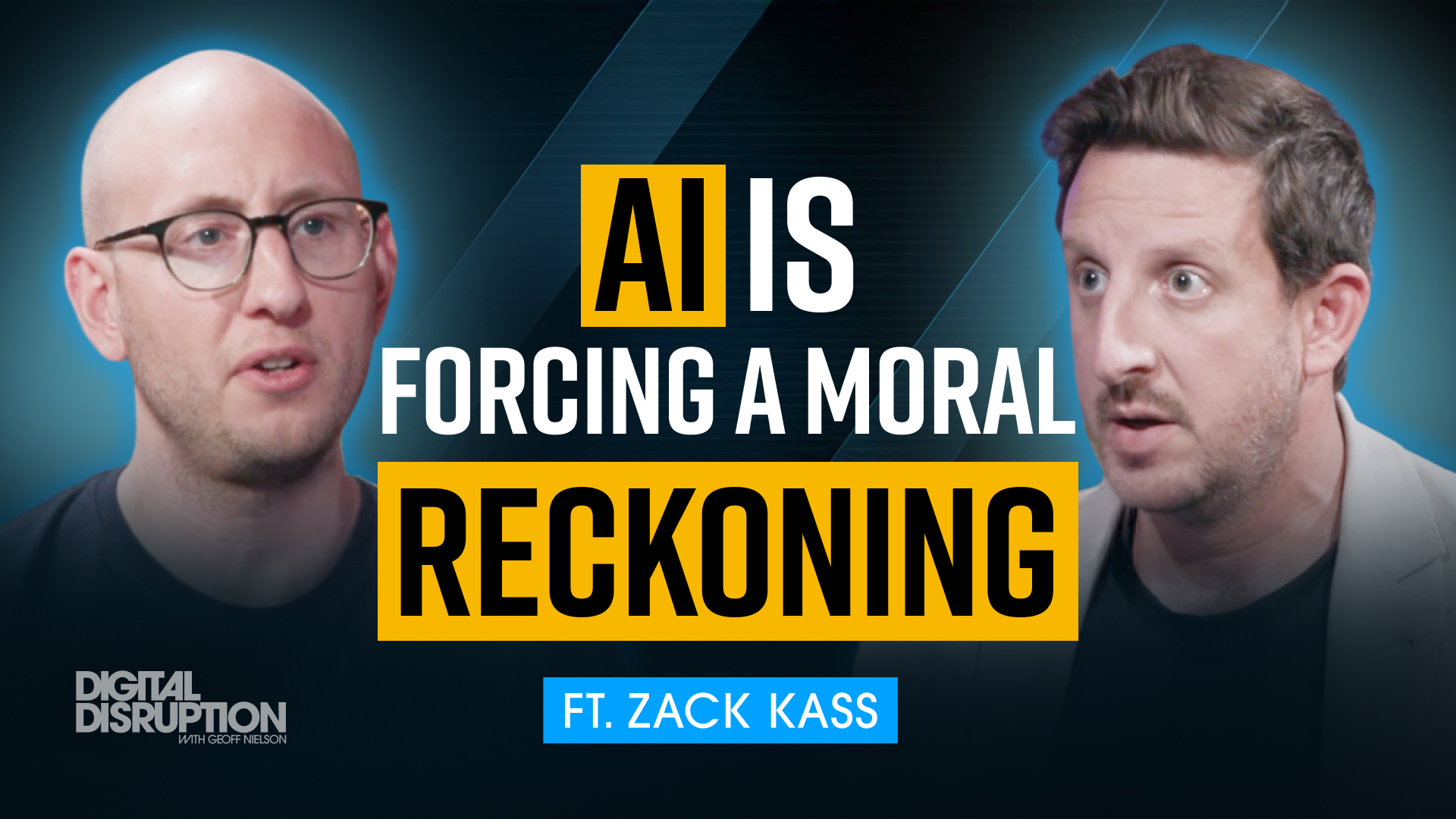
Tech’s Reckoning: The Future is Here, and It’s Terrifying
Introduction
Remember those sci-fi movies where technology ran amok, leading to societal collapse and existential dread? Yeah, they always seemed a bit… exaggerated. But lately, that sense of unease feels a little too close to home. We’re not talking Skynet just yet, but the rapid advancements in tech, especially in areas like AI and automation, are forcing us to confront some uncomfortable truths. The future isn’t just knocking; it’s kicking down the door, and what’s inside is a mixed bag of awesome and, frankly, terrifying.
Explanation of the Problem
So, what’s got everyone so jittery? It’s not just the fear of robots stealing our jobs (though that’s definitely part of it). It’s the sheer scale and speed of change, the potential for misuse, and the feeling that we, as a society, are struggling to keep up. Let’s unpack this.
The Short-Term Jitters: Job Displacement and the Rise of the Algorithm Boss
In the short term, the most palpable fear revolves around jobs. Automation is no longer a futuristic concept; it’s happening now. We’re seeing it in manufacturing, logistics, customer service – even in creative fields. While some argue that new jobs will emerge, the transition is rarely seamless. Many workers, especially those in routine or repetitive roles, are finding themselves displaced, struggling to acquire the skills needed for the “jobs of the future.”
Then there’s the rise of the “algorithm boss.” Think about gig economy platforms. Drivers, delivery workers, and freelancers are managed by algorithms that dictate their schedules, set their rates, and even assess their performance. While these algorithms offer efficiency, they can also be opaque, unfair, and dehumanizing. Workers often lack agency and control, feeling like cogs in a machine rather than valued contributors.
The Long-Term Shadows: Bias, Inequality, and the Erosion of Human Connection
Looking further ahead, the picture becomes even more complex. The unchecked spread of AI raises concerns about bias and inequality. AI algorithms are trained on data, and if that data reflects existing societal biases, the AI will perpetuate and amplify those biases. This can lead to discriminatory outcomes in areas like hiring, lending, and even criminal justice.
Furthermore, the increasing reliance on technology could exacerbate existing inequalities. Those with access to education, resources, and digital literacy will thrive in the new economy, while those without will be left behind, widening the gap between the haves and have-nots.
Finally, and perhaps most subtly, there’s the erosion of human connection. We’re spending more and more time interacting with screens and less time interacting with each other. This can lead to social isolation, loneliness, and a decline in empathy. The metaverse, while promising immersive experiences, also threatens to further blur the lines between the real and the virtual, potentially exacerbating these issues.
Solutions
Okay, enough doom and gloom. The future isn’t pre-determined, and we have the power to shape it. The key is to be proactive, intentional, and focused on solutions that are both practical and equitable. Here are a few approaches:
- Invest in Lifelong Learning: The skills required in the workforce are constantly evolving. We need to invest in programs that provide workers with the opportunity to reskill and upskill throughout their careers. This includes vocational training, online courses, and apprenticeships. For example, countries like Singapore have implemented national reskilling initiatives, providing citizens with subsidized access to a wide range of training programs.
- Promote Ethical AI Development: We need to develop AI systems that are fair, transparent, and accountable. This requires developing ethical guidelines, auditing algorithms for bias, and ensuring that AI systems are explainable and understandable. Organizations like the Partnership on AI are working to promote responsible AI development and deployment.
- Regulate the Gig Economy: The gig economy offers flexibility and opportunity, but it also leaves workers vulnerable to exploitation. We need to establish clear regulations that protect gig workers’ rights, including minimum wage, sick leave, and access to benefits. Some cities, like Seattle, have already passed legislation guaranteeing gig workers certain rights and protections.
- Foster Digital Literacy: Everyone needs to have the skills and knowledge to navigate the digital world safely and effectively. This includes basic computer skills, critical thinking skills, and an understanding of online privacy and security. Libraries, community centers, and schools can play a crucial role in providing digital literacy training to all members of the community.
- Prioritize Human Connection: We need to find ways to balance our digital lives with meaningful human interaction. This could involve spending more time with family and friends, volunteering in our communities, or simply putting down our phones and engaging in face-to-face conversations.
Alternative Approaches: Thinking Outside the Algorithm
Beyond these immediate solutions, we need to explore more radical ideas for adapting to a tech-driven future:
- Universal Basic Income (UBI): As automation continues to displace workers, UBI could provide a safety net, ensuring that everyone has a basic standard of living. While controversial, UBI is gaining traction as a potential solution to the challenges of technological unemployment.
- Data Cooperatives: Instead of allowing large tech companies to collect and profit from our data, we could form data cooperatives, giving individuals more control over their own data and allowing them to collectively bargain for fair compensation.
- Focus on “Human-Centric” Industries: Let’s invest in industries that require uniquely human skills, like healthcare, education, and the arts. These sectors will always be essential, and they offer opportunities for meaningful work that cannot be easily automated.
Conclusion
The future of technology is not predetermined. We have the power to shape it, to ensure that it serves humanity rather than the other way around. But this requires us to be proactive, informed, and willing to challenge the status quo. It demands that we prioritize ethical considerations, invest in education and training, and create a more equitable and just society.
Yes, the challenges are daunting, and the potential for misuse is real. But we also have the opportunity to harness the power of technology for good, to solve some of the world’s most pressing problems, and to create a more prosperous and fulfilling future for all. Let’s not shy away from the “terrifying” aspects of this reckoning; let’s confront them head-on, with courage, creativity, and a commitment to building a better world. The future is here, and it’s up to us to make it a future worth living. Now, let’s get to work.