

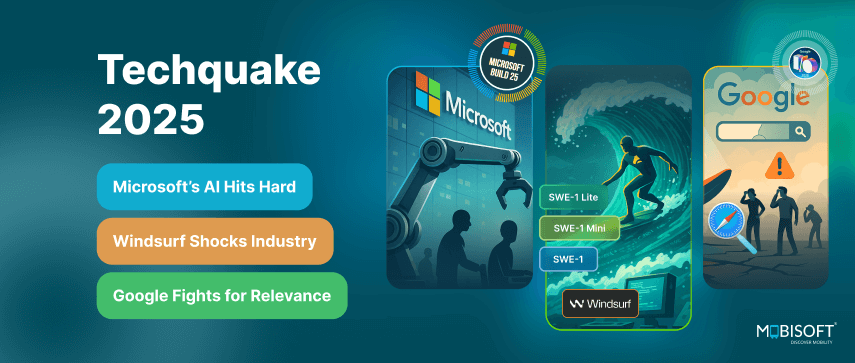
Techquake:Today’s News Shaking Everything
Introduction
Ever feel like you’re living on tech’s version of the San Andreas Fault? One minute everything’s humming along, your favorite apps are working, and then BAM! An algorithm shifts, a new AI emerges, or a data breach hits, and suddenly, the digital landscape is quaking. Today, we’re not just talking about minor tremors. We’re talking a full-blown techquake, and it’s time to figure out how to brace ourselves and even rebuild stronger than before.
Forget the doomsday prophecies; this isn’t about the robots taking over (yet!). This techquake is multi-faceted, hitting us with waves of rapid innovation, data privacy concerns, and the ever-growing dependence on a digital world that’s increasingly vulnerable. It’s about the news headlines that are becoming increasingly unsettling, the whispers in the industry about impending changes, and the feeling that keeping up is a full-time job in itself.
So, what’s causing all this seismic activity? Let’s break it down.
The Fault Lines: What’s Triggering the Techquake?
Several converging factors are contributing to the current state of upheaval:
- AI on Steroids: Artificial intelligence, particularly generative AI like ChatGPT, is evolving at a breakneck pace. While the potential benefits are undeniable – revolutionizing industries, automating tasks, and accelerating research – the ethical and practical implications are still largely unknown. We’re seeing concerns about job displacement, the spread of misinformation, and the potential for misuse of these powerful tools.
- Data Privacy Fatigue (and Breaches): Remember when GDPR was the big news? Well, data privacy remains a critical concern, but the problem is compounded by constant data breaches and a growing sense of “privacy fatigue.” People are starting to feel like their data is already out there, so why bother being careful? This apathy creates a breeding ground for further vulnerabilities.
- The Great Digital Divide (Revisited): While tech connects us, it also exacerbates existing inequalities. Access to reliable internet, affordable devices, and digital literacy remain significant barriers for many, creating a new digital divide that limits opportunities and reinforces societal disparities. The rise of remote work, while offering flexibility, has also highlighted this divide, leaving many behind.
- The Shadow of Big Tech: The concentration of power in the hands of a few massive tech companies raises serious questions about competition, innovation, and the control of information. Their decisions can have far-reaching consequences, impacting everything from news distribution to election integrity.
Short-Term Tremors and Long-Term Aftershocks
The immediate effects of this techquake are already being felt. We’re seeing:
- Job Market Volatility: The automation potential of AI is creating uncertainty in various sectors, requiring workers to reskill and adapt to new roles.
- Increased Scams and Phishing: Cybercriminals are leveraging AI and stolen data to create more sophisticated and convincing scams, making it harder to differentiate between legitimate communications and malicious attacks.
- Information Overload and Misinformation: The constant stream of news and the proliferation of fake news makes it challenging to stay informed and discerning.
But the long-term consequences are even more profound:
- Erosion of Trust: Repeated data breaches and concerns about AI bias can erode public trust in technology and the institutions that govern it.
- Exacerbation of Inequality: The digital divide could widen, further marginalizing communities that lack access to technology and digital skills.
- Threats to Democratic Processes: The spread of misinformation and the potential for AI-driven manipulation pose significant threats to democratic processes and social cohesion.
Building a Stronger Foundation: Practical Solutions You Can Implement
So, how do we navigate this techquake and build a more resilient digital future? Here are some practical solutions you can implement, both individually and collectively:
- Embrace Continuous Learning: The key to surviving the AI revolution is to embrace continuous learning. Identify the skills that are in demand and invest in reskilling or upskilling programs. Platforms like Coursera, edX, and Udemy offer a wide range of courses in areas like AI, data science, cybersecurity, and digital marketing.
- Example: Consider someone working in customer service. Instead of fearing automation, they can learn about AI-powered chatbots and how to manage and optimize them, transitioning into a higher-value role.
- Prioritize Digital Security Hygiene: Take proactive steps to protect your data and devices. Use strong passwords, enable two-factor authentication, be wary of phishing emails, and keep your software updated. Consider using a password manager to generate and store strong, unique passwords for each of your accounts.
- Example: Regularly back up your important files to an external hard drive or cloud storage service to protect against data loss in case of a cyberattack or hardware failure.
- Become a Critical Information Consumer: Develop critical thinking skills to evaluate information sources and identify fake news. Fact-check claims, be skeptical of sensational headlines, and rely on reputable news organizations. Use tools like Snopes and PolitiFact to verify information before sharing it.
- Example: Before sharing an article on social media, check the source’s reputation and look for any red flags, such as biased language or a lack of citations.
- Advocate for Responsible Tech Regulation: Support policies that promote data privacy, competition, and ethical AI development. Contact your elected officials and voice your concerns about the potential risks of unchecked technological advancements.
- Example: Advocate for stronger data privacy laws that give individuals more control over their personal information and hold companies accountable for data breaches.
- Support Initiatives That Bridge the Digital Divide: Contribute to organizations that provide access to technology and digital literacy training for underserved communities. Volunteer your time, donate to worthy causes, or advocate for policies that promote digital inclusion.
- Example: Volunteer at a local library or community center to help people learn basic computer skills and navigate the internet safely.
- Diversify Your Information Diet: Don’t rely solely on social media for your news and information. Seek out diverse perspectives from different sources to get a well-rounded understanding of the issues. Read books, listen to podcasts, and engage in conversations with people who have different viewpoints.
Alternative Approaches: Tailoring Solutions to Your Needs
The beauty of this situation is that there isn’t a one-size-fits-all solution. Depending on your background, resources, and interests, you can tailor your approach to address the techquake in ways that are most meaningful to you.
- For the Tech Enthusiast: Dive deep into understanding the underlying technologies driving the changes. Learn to code, experiment with AI tools, and contribute to open-source projects.
- For the Privacy Advocate: Become a vocal advocate for data privacy and digital rights. Support organizations that are fighting for stronger regulations and hold companies accountable for their data practices.
- For the Community Builder: Focus on bridging the digital divide and empowering underserved communities with access to technology and digital skills.
- For the Business Leader: Prioritize ethical AI development, data privacy, and employee training to build a responsible and sustainable business model.
Conclusion: Riding the Wave of Change
The techquake is undoubtedly disruptive, but it also presents a unique opportunity to build a more equitable, resilient, and human-centered digital future. By embracing continuous learning, prioritizing digital security, becoming critical information consumers, and advocating for responsible tech regulation, we can navigate these turbulent times and emerge stronger than ever.
This isn’t about resisting change; it’s about shaping it. It’s about taking control of our digital destiny and ensuring that technology serves humanity, rather than the other way around. The aftershocks may continue for a while, but with awareness, proactive action, and a commitment to building a better future, we can ride the wave of change and create a digital world that benefits everyone. So, take a deep breath, get informed, and get involved. The future of technology is in our hands.