

Techquake: Disrupting Reality
Introduction
Ever feel like you’re living in a science fiction movie? Self-driving cars, AI assistants, instant global communication – it’s a whirlwind of technological advancements hitting us faster than ever before. We’re experiencing what can only be described as a “Techquake,” a seismic shift reshaping our reality in profound ways. But are we ready for the aftershocks? Are we prepared to navigate this new landscape? This isn’t just about the cool gadgets; it’s about how technology is fundamentally altering how we live, work, and interact. Let’s dive in and explore the tremors, the potential damage, and, most importantly, how we can build a more resilient future.
The Short-Term Jolt: Convenience vs. Chaos
In the short term, the Techquake offers incredible convenience. Need groceries? Order them online. Want to learn a new skill? There’s a YouTube tutorial for that. Connecting with loved ones across the globe is as simple as tapping a screen. But this convenience comes at a cost.
- The Information Overload: We’re bombarded with information 24/7. Distinguishing fact from fiction becomes a herculean task, leading to increased anxiety and polarization.
- The Skills Gap: Automation is rapidly changing the job market. Many traditional roles are becoming obsolete, leaving individuals scrambling to acquire new skills to stay relevant.
- The Privacy Paradox: We willingly trade personal data for personalized experiences, often unaware of the extent to which we’re being tracked and analyzed. Consider the Cambridge Analytica scandal – a stark reminder of how personal data can be weaponized.
The Long-Term Rumble: A New World Order?
Looking ahead, the long-term implications of the Techquake are even more profound.
- The AI Revolution: Artificial intelligence is poised to transform virtually every industry. While AI promises increased efficiency and innovation, it also raises concerns about job displacement and the potential for misuse. Imagine AI-powered autonomous weapons systems – a chilling possibility that demands careful consideration.
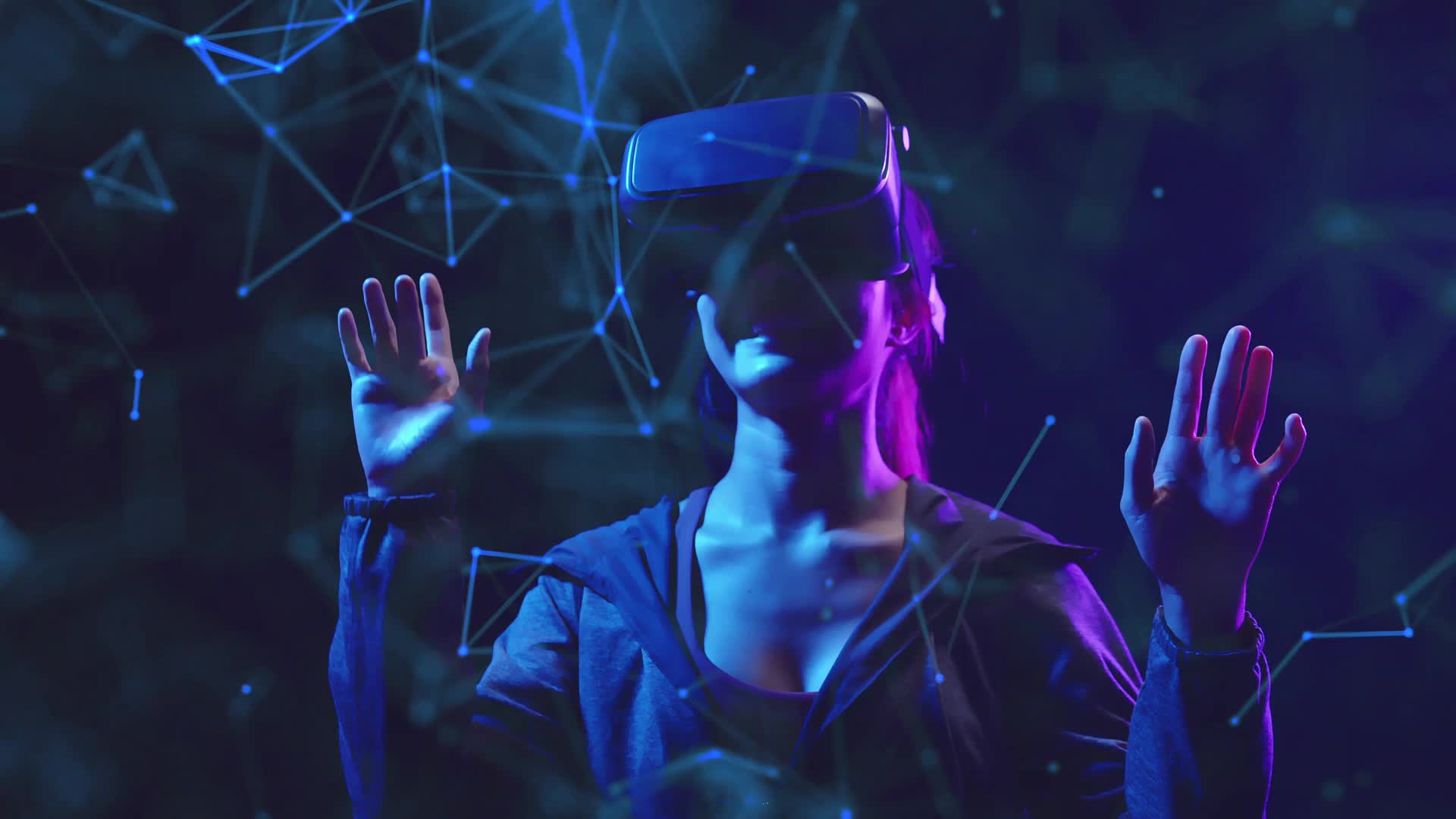
- The Metaverse Frontier: Virtual and augmented reality technologies are blurring the lines between the physical and digital worlds. The metaverse promises immersive experiences and new forms of social interaction, but it also raises questions about identity, addiction, and the impact on real-world relationships.
- The Digital Divide Deepens: As technology becomes increasingly integral to everyday life, those without access to it risk being left behind. This digital divide exacerbates existing inequalities and creates new barriers to opportunity.
Navigating the Fault Lines: Practical Solutions for a Tech-Driven World
So, how do we navigate this Techquake and mitigate its negative impacts? The key is to be proactive, adaptable, and informed. Here are some practical solutions and alternative approaches:
- Cultivate Critical Thinking and Media Literacy: In an age of rampant misinformation, the ability to critically evaluate information is paramount.
- Solution: Invest in media literacy education at all levels, from primary school to adult learning programs. Teach people how to identify fake news, biased sources, and manipulative techniques.
- Example: Organizations like the News Literacy Project offer resources and training to help individuals become more discerning consumers of information.
- Embrace Lifelong Learning and Upskilling: The job market is constantly evolving, so it’s essential to continuously update your skills.
- Solution: Take advantage of online learning platforms like Coursera, edX, and Udemy to acquire new knowledge and skills. Focus on areas that are in high demand, such as data science, AI, and cybersecurity.
- Alternative Approach: Consider participating in apprenticeships or vocational training programs that provide hands-on experience in specific industries. Many tech companies offer internship programs that can help you gain valuable skills and experience.
- Take Control of Your Data and Privacy: Be mindful of the data you share online and take steps to protect your privacy.
- Solution: Use privacy-focused browsers and search engines like DuckDuckGo. Install browser extensions that block trackers and cookies. Review and adjust your privacy settings on social media platforms.
- Alternative Approach: Consider using a virtual private network (VPN) to encrypt your internet traffic and protect your online activity from prying eyes.
- Promote Digital Inclusion and Accessibility: Ensure that everyone has access to technology and the skills they need to use it effectively.
- Solution: Support initiatives that provide affordable internet access, digital literacy training, and assistive technologies to underserved communities. Advocate for policies that promote digital equity and inclusion.
- Example: Libraries are becoming increasingly important hubs for digital inclusion, offering free internet access, computer classes, and other resources to the public.
- Foster Ethical AI Development: Advocate for responsible AI development that prioritizes human well-being and avoids bias and discrimination.
- Solution: Support research and development of ethical AI frameworks and guidelines. Encourage transparency and accountability in AI development. Advocate for regulations that prevent the misuse of AI technology.
- Example: The Partnership on AI is a multi-stakeholder organization that brings together researchers, developers, and policymakers to promote responsible AI development.
Building a Resilient Future: Embracing the Change
The Techquake is a force of nature, and trying to resist it is futile. Instead, we must learn to adapt and harness its power for good. By cultivating critical thinking, embracing lifelong learning, protecting our privacy, promoting digital inclusion, and fostering ethical AI development, we can build a more resilient and equitable future.
This isn’t just about surviving the Techquake; it’s about thriving in its aftermath. It’s about using technology to solve global challenges, create new opportunities, and improve the human condition. It’s about shaping the future we want to see, a future where technology empowers us all.
So, take a deep breath, embrace the change, and become an active participant in shaping the future. The Techquake is here, and the time to act is now. Let’s build a better world, one line of code, one informed decision, and one act of digital citizenship at a time. The power is in our hands.