

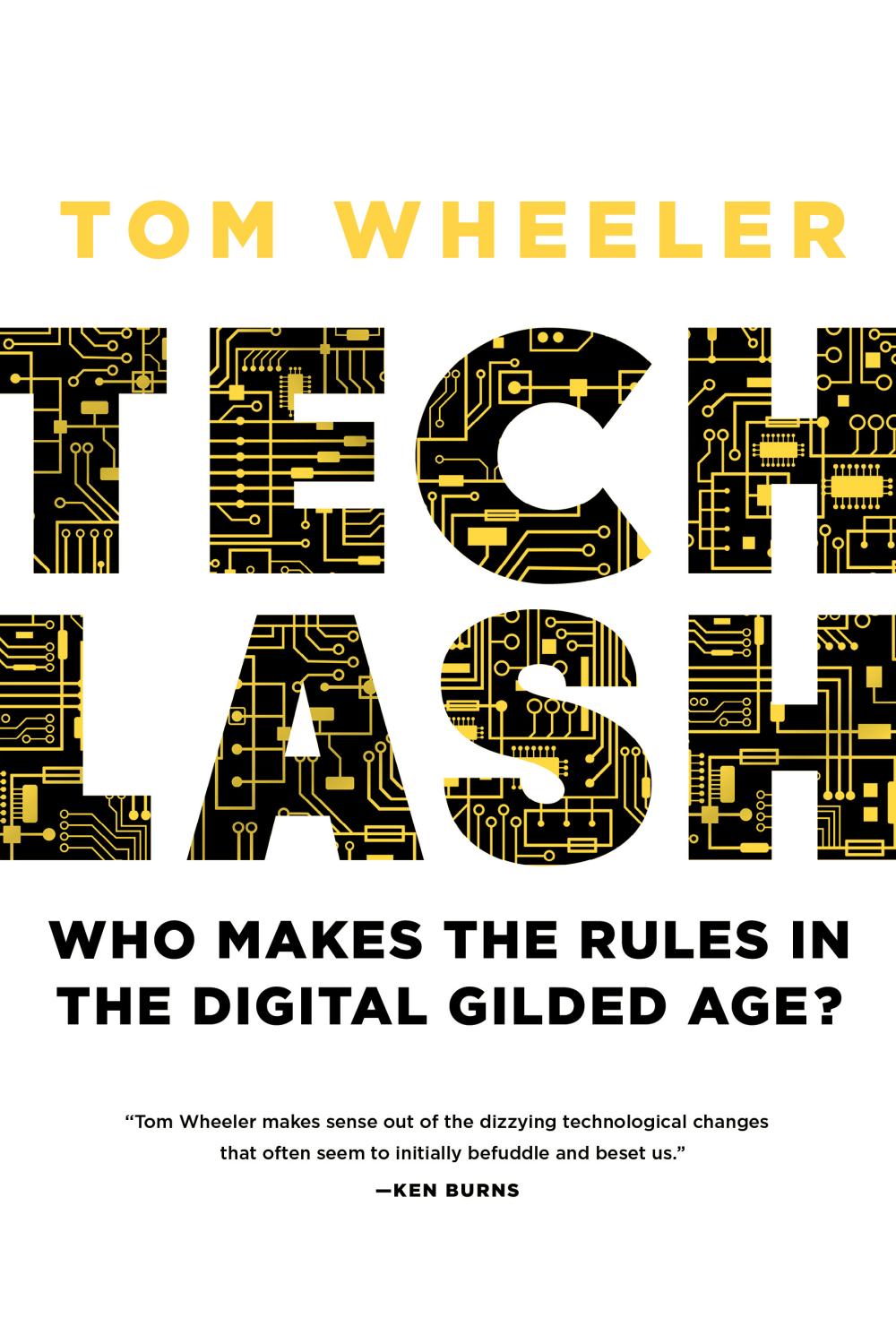
Techlash: Are We Building Our Own Prison?
Introduction
Remember that initial rush of excitement when smartphones first burst onto the scene? The world at your fingertips, instant connection, endless possibilities. It felt like freedom, didn’t it? But fast forward a decade (or two, if you’re feeling nostalgic), and a different feeling is creeping in. A nagging sense that maybe, just maybe, we’ve traded some of that freedom for something a little…constricting.
We’re talking about the techlash, that growing wave of skepticism and concern directed at the behemoths of the tech industry. It’s not just Luddites smashing machines; it’s a widespread questioning of the very foundations upon which our digital lives are built. Are we, in our pursuit of convenience and connection, inadvertently constructing our own digital prison?
The Short-Term Shackles: What’s Grinding Our Gears Right Now?
The immediate consequences of our tech dependence are pretty hard to ignore. Think about it:
- Attention Deficit & Doomscrolling: How many times have you picked up your phone “just for a second” only to emerge an hour later, bleary-eyed and slightly more anxious? The addictive nature of social media, carefully engineered to keep us hooked, is eroding our attention spans and contributing to a culture of constant distraction. We’re trading deep thinking for shallow scrolling.
- Privacy Peril: Remember that “free” app you downloaded? Chances are, it’s quietly harvesting your data, feeding it into the hungry maw of algorithms designed to predict – and often manipulate – your behavior. From targeted advertising to potentially influencing elections, the sheer volume of personal information being collected and analyzed is frankly, terrifying.
- The Echo Chamber Effect: Algorithms prioritize content that confirms our existing biases, creating personalized echo chambers where dissenting voices are silenced. This leads to increased polarization and makes constructive dialogue increasingly difficult. We’re becoming intellectually isolated, trapped in bubbles of our own making.
- The Rise of Misinformation: Deepfakes, fake news, and carefully crafted propaganda spread like wildfire through social media, blurring the lines between truth and fiction. This erosion of trust in credible sources undermines democratic institutions and fuels societal division.
These are the immediate downsides – the daily annoyances and anxieties that we’ve, to some extent, become accustomed to. But the long-term implications are far more profound.
The Long-Term Locks: What Are We Leaving for Future Generations?
If we continue down this path unchecked, the future looks…well, a little bleak.
- Erosion of Autonomy: Imagine a world where every decision, from what you eat to who you vote for, is subtly influenced by algorithms that know you better than you know yourself. This is not a futuristic dystopia; it’s a very real possibility if we cede too much control to AI and data-driven systems. Our ability to think critically and make independent choices could be severely compromised.
- The Surveillance State: The normalization of mass surveillance, fueled by facial recognition technology and ubiquitous data collection, could lead to a chilling effect on freedom of expression and assembly. Imagine being constantly monitored, your every move tracked and analyzed. Would you still feel comfortable speaking your mind?
- The Digital Divide Deepens: As technology becomes increasingly central to every aspect of life, those without access to it will be further marginalized. This digital divide exacerbates existing inequalities and creates a two-tiered society, where opportunities are increasingly determined by technological access and literacy.
- Job Displacement and Economic Instability: Automation and AI are already disrupting the job market, and this trend is only likely to accelerate. Without proactive measures to retrain workers and create new opportunities, we risk widespread unemployment and social unrest.
So, are we doomed? Are we already locked in this digital prison, destined to be slaves to algorithms and surveillance? Not necessarily. The good news is that we have the power to shape our digital future.
Picking the Lock: Practical Solutions for a Brighter Future
The key to escaping this potential digital prison lies in a multi-pronged approach that involves individual responsibility, collective action, and responsible regulation. Here are a few actionable steps we can take:
- Digital Detox & Mindfulness: Reclaim your attention. Schedule regular breaks from technology, practice mindfulness, and engage in activities that nurture your creativity and critical thinking skills. There are apps (ironically!) designed to help you track your screen time and limit your usage.
- Example: Try dedicating one day a week to being completely “off the grid.” Turn off your phone, disconnect from the internet, and spend time in nature or with loved ones.
- Demand Transparency & Control Over Your Data: Understand how your data is being collected and used. Utilize privacy-enhancing tools like VPNs and ad blockers. Support companies that prioritize user privacy and data security.
- Example: Familiarize yourself with the privacy settings on your social media accounts and adjust them to limit the information you share. Consider using a search engine that doesn’t track your searches, such as DuckDuckGo.
- Support Ethical Tech & Responsible Innovation: Champion companies that are committed to ethical AI development, data privacy, and social responsibility. Invest in technologies that empower individuals and promote democratic values.
- Example: Look for companies that are actively working to mitigate the spread of misinformation and promote media literacy.
- Advocate for Stronger Regulation: Demand that governments implement regulations that protect user privacy, promote competition, and hold tech companies accountable for the harmful consequences of their platforms.
- Example: Support legislation that strengthens data privacy laws and requires companies to be more transparent about their data collection practices.
- Cultivate Critical Thinking & Media Literacy: Teach yourself and others how to identify misinformation, analyze sources critically, and resist manipulation. Engage in constructive dialogue with people who hold different views.
- Example: Participate in workshops or online courses that teach critical thinking skills and media literacy. Share reliable information and resources with your friends and family.
Alternative Approaches: Tailoring Solutions to Your Needs
Not every solution will work for everyone. Here are some alternative approaches to consider:
- The Minimalist Approach: Severely limit your reliance on technology. Use a “dumb phone” for basic communication, read physical books instead of e-books, and prioritize face-to-face interactions.
- The Conscious Consumer Approach: Carefully curate your digital consumption. Choose platforms and services that align with your values, and be mindful of the time you spend online.
- The Activist Approach: Become actively involved in advocating for change. Support organizations that are working to hold tech companies accountable and promote digital rights.
The choice is yours.
A Future Worth Building
The techlash is not about rejecting technology altogether. It’s about reclaiming control, asserting our agency, and shaping technology to serve our collective good, not the other way around. It’s about building a digital future where innovation is balanced with ethics, where privacy is valued, and where technology empowers us to be our best selves.
The path ahead won’t be easy. It requires vigilance, critical thinking, and a willingness to challenge the status quo. But the potential rewards are immense: a more just, equitable, and sustainable digital future for all. Let’s not let fear and apathy trap us in a prison of our own making. Let’s work together to build a future worth fighting for.