

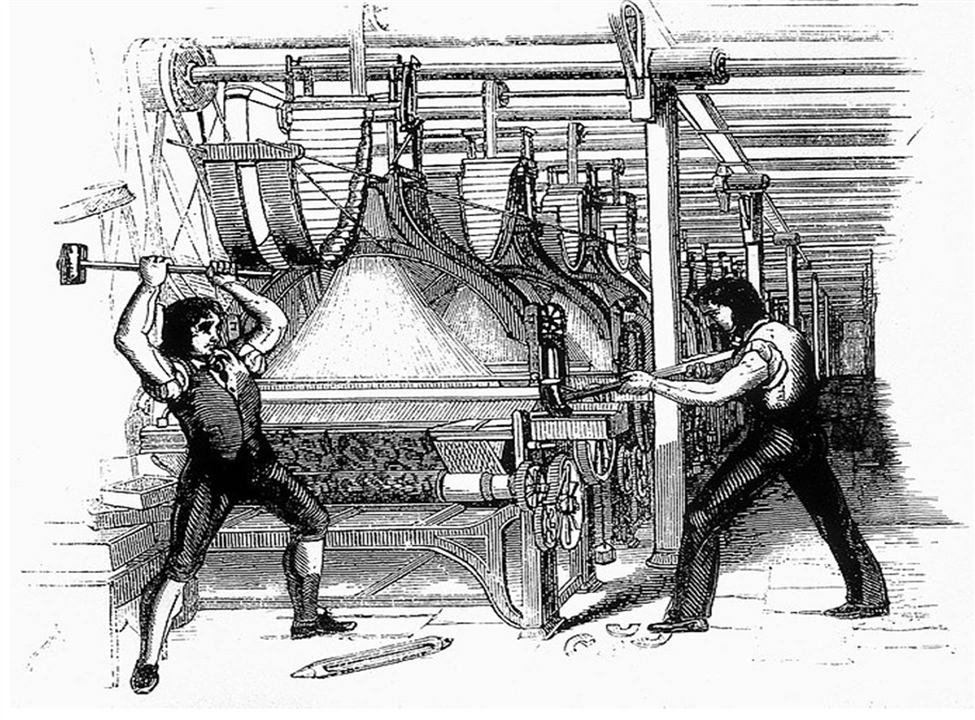
Techlash: Are We Building Our Own Cage?
Introduction
Remember that feeling of unbridled optimism when the internet first blossomed? The promise of connecting the world, democratizing information, and unleashing unprecedented innovation felt like a utopian dream. Fast forward to today, and that dream feels a little…tarnished. We’re neck-deep in the “techlash,” a growing wave of criticism and concern directed at the very tech giants that once seemed so benevolent. Are we, in our pursuit of progress, inadvertently building our own digital cage?
Let’s be clear: technology, in itself, isn’t the enemy. It’s a powerful tool, capable of incredible feats. But like any tool, it can be used for good or ill. The issue isn’t the existence of these technologies, but how they’re designed, deployed, and, crucially, how they affect us – both now and in the long run.
The Short-Term Stings: Immediate Impacts We’re Feeling Now
The immediate sting of the techlash is becoming increasingly obvious. We’re bombarded with:
- Privacy Concerns: Remember Cambridge Analytica? That’s just the tip of the iceberg. Our data is constantly being collected, analyzed, and often, monetized without our explicit consent or even knowledge. This isn’t just about targeted ads; it’s about the potential for manipulation and discrimination.
- Mental Health Impacts: Studies link excessive social media use to increased anxiety, depression, and loneliness. The curated perfection we see online fuels social comparison and unrealistic expectations. We’re scrolling through highlight reels, forgetting that behind every filtered photo lies a life with its own struggles.
- Misinformation and Polarization: Algorithms designed to maximize engagement often prioritize sensational and polarizing content. This creates echo chambers, reinforces biases, and makes it increasingly difficult to discern truth from falsehood. The spread of misinformation, as we’ve seen with election interference and vaccine hesitancy, can have devastating real-world consequences.
- Job Displacement: Automation and artificial intelligence are transforming the job market, potentially displacing millions of workers in various sectors. While new opportunities will undoubtedly emerge, the transition can be painful and require significant reskilling efforts.
The Long Game: What Happens If We Don’t Act?
If we don’t address these issues head-on, the long-term consequences could be even more profound:
- Erosion of Democracy: The manipulation of public opinion through social media and targeted advertising can undermine democratic processes and institutions. A society where truth is subjective and easily manipulated is a society vulnerable to authoritarianism.
- Increased Inequality: The wealth generated by the tech industry is concentrated in the hands of a few, exacerbating existing inequalities. This can lead to social unrest and instability.
- Loss of Autonomy: As AI becomes more integrated into our lives, we risk ceding control over decisions that affect our health, finances, and even our personal relationships. Imagine a future where algorithms dictate our career paths or insurance rates based on data we unwittingly provide.
- Existential Threats: The development of advanced AI raises existential questions about the future of humanity. Will AI remain a tool under our control, or will it eventually surpass our capabilities and pose a threat to our survival?
Escaping the Cage: Practical Solutions You Can Embrace
Okay, so the picture isn’t exactly rosy. But the good news is, it’s not too late to change course. We can take concrete steps to mitigate the raja mahjong288 negative impacts of technology and ensure a future where it serves humanity, rather than the other way around. Here are a few practical solutions:
- Become a Conscious Consumer:
- Read the Fine Print: Before downloading an app or signing up for a service, take the time to understand its privacy policy. What data are they collecting? How are they using it?
- Adjust Your Privacy Settings: Most platforms offer a range of privacy settings. Review these settings and adjust them to your comfort level. Limit the amount of personal information you share and opt out of data tracking whenever possible.
- Support Privacy-Focused Alternatives: Consider using search engines like DuckDuckGo that don’t track your searches, encrypted messaging apps like Signal, and open-source software whenever possible.
- Example: Using a VPN (Virtual Private Network) can mask your IP address and encrypt your internet traffic, making it more difficult for companies to track your online activity.
- Cultivate Digital Wellbeing:
- Set Boundaries: Designate specific times for checking email and social media, and stick to them. Turn off notifications to avoid constant distractions.
- Practice Mindful Technology Use: Be intentional about how you use technology. Ask yourself: Am I using this app to connect with others, or am I just mindlessly scrolling?
- Disconnect Regularly: Schedule regular breaks from technology. Spend time in nature, engage in hobbies, or connect with loved ones in person.
- Example: Apple’s Screen Time feature and Google’s Digital Wellbeing tools provide insights into your phone usage and allow you to set limits on specific apps.
- Demand Accountability from Tech Companies:
- Support Legislation: Advocate for stronger privacy laws, data security regulations, and antitrust enforcement. Contact your elected officials and let them know your concerns.
- Vote with Your Wallet: Choose companies that prioritize ethical practices and responsible technology development. Boycott those that engage in harmful or exploitative behavior.
- Hold Companies Accountable: Speak out against unethical practices on social media and other platforms. File complaints with regulatory agencies when appropriate.
- Example: The European Union’s General Data Protection Regulation (GDPR) is a landmark privacy law that gives individuals more control over their personal data and imposes strict obligations on companies that collect and process it.
- Promote Digital Literacy:
- Educate Yourself: Learn about the risks and benefits of technology, and stay informed about the latest developments.
- Teach Others: Share your knowledge with friends, family, and colleagues. Help them develop the skills they need to navigate the digital world safely and responsibly.
- Support Media Literacy Initiatives: Encourage schools and community organizations to offer programs that teach people how to critically evaluate online information and identify misinformation.
- Example: Organizations like the News Literacy Project offer resources and training programs to help people distinguish credible news sources from fake news and propaganda.
- Champion Ethical AI Development:
- Promote Transparency: Demand that AI algorithms be transparent and explainable. Understand how they work and how they make decisions.
- Address Bias: Ensure that AI systems are not trained on biased data, which can perpetuate and amplify existing inequalities.
- Focus on Human-Centered Design: Advocate for AI systems that are designed to augment human capabilities, not replace them entirely.
- Example: The Partnership on AI is a multi-stakeholder organization that brings together researchers, ethicists, and industry leaders to promote responsible AI development.
Building a Better Future: It Starts With Us
The techlash is a wake-up call. It’s a reminder that technology, while powerful, is not inherently good. It’s up to us to shape its trajectory and ensure that it serves humanity, not the other way around. By becoming conscious consumers, cultivating digital wellbeing, demanding accountability, promoting digital literacy, and championing ethical AI development, we can collectively dismantle the digital cage and build a future where technology empowers us, rather than enslaves us.
This isn’t just about avoiding dystopia; it’s about creating a more equitable, just, and fulfilling world. The power to shape that future is in our hands. Let’s use it wisely.