

Tech Tsunami: What You Need to Know Now
Introduction
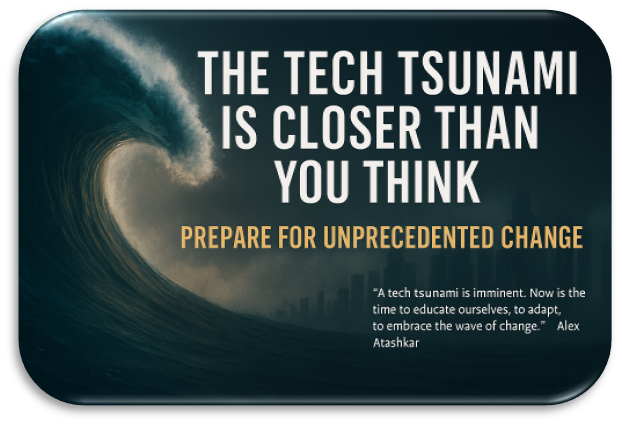
Okay, let’s be real. You’re probably feeling it too. This relentless wave of new technologies – AI, blockchain, the Metaverse, you name it – it’s less a gentle ripple and more a full-blown tech tsunami. Feels overwhelming, right? Like trying to learn a new language while simultaneously being chased by a robot?
But don’t panic! You’re not alone. And, more importantly, you *can* navigate this. Think of this article as your life raft – a guide to understanding, adapting, and even thriving in this rapidly evolving landscape. We’re not going to bury you in jargon or hype. Instead, we’re going to break down the key trends, understand their potential impact, and, most crucially, give you practical steps to stay afloat (and maybe even learn to surf).
Short-Term Shocks and Long-Term Shifts: Understanding the Impact
So, what’s causing this surge? It’s a convergence of factors: faster computing power, readily available data, and a culture obsessed with innovation. But understanding *why* isn’t enough. We need to see how this tsunami is already impacting us, both in the immediate future and further down the line.
Short-Term Impacts: The Here and Now
- Skill Set Scramble: Forget that comfy skill set you’ve been honing for years. Companies are scrambling for professionals with expertise in AI, data analysis, cloud computing, and cybersecurity. This means constant upskilling and reskilling are no longer optional, they’re essential for job security and career advancement.
- Automation Anxiety: We’ve all heard the whispers: “Robots are coming for our jobs!” While full-scale automation replacing entire professions is still a bit further down the line, specific tasks are definitely being automated. This requires us to adapt, focusing on skills that machines can’t replicate – creativity, critical thinking, complex problem-solving, and emotional intelligence.
- Evolving Customer Expectations: Customers are becoming increasingly tech-savvy and demanding. They expect personalized experiences, instant gratification, and seamless integration across all platforms. Businesses that fail to meet these expectations will be left behind.
- The Rise of Remote Everything: From remote work to telemedicine to online education, technology is enabling us to do almost anything from anywhere. This has massive implications for work-life balance, real estate, and even the way we build communities.
- Data Privacy Concerns: As technology becomes more integrated into our lives, data privacy becomes an even greater concern. Everyone has a responsibility to protect themselves from the exploitation of their personal data.
Long-Term Shifts: The Horizon Ahead
- The Metaverse’s Metamorphosis: The Metaverse, still in its nascent stages, promises to blur the lines between the physical and digital worlds. While the hype might seem overblown, the underlying technologies – VR, AR, blockchain – have the potential to revolutionize how we work, play, and interact with each other.
- AI’s Ubiquity: AI will become increasingly integrated into almost every aspect of our lives, from healthcare to transportation to entertainment. This will lead to unprecedented levels of efficiency and automation, but also raises ethical concerns about bias, job displacement, and control.
- The Decentralized Web (Web3): Blockchain technology is paving the way for a more decentralized internet, where users have greater control over their data and online experiences. This could disrupt traditional power structures and empower individuals to participate in new economic models.
- The BioTech Boom: Technology’s merging with biology will create a new era of personalized medicine, enhanced human capabilities, and potentially even life extension. This raises profound ethical questions about human identity and the future of humanity.
- Sustainability Through Tech: As the planet faces environmental challenges, innovative technologies are emerging to combat climate change, reduce waste, and promote sustainable practices.
Riding the Wave: Practical Solutions for Navigating the Tech Tsunami
Okay, enough doom and gloom. Let’s talk about what you can actually do to navigate this wave. The key is to be proactive, adaptable, and focused on building the right skills.
- Embrace Lifelong Learning:
- Solution: Dedicate time each week to learning new technologies or skills.
- Examples: Take online courses on platforms like Coursera, Udemy, or edX. Read industry blogs and publications. Attend webinars and workshops.
- Case Study: Sarah, a marketing professional, felt overwhelmed by the rise of AI-powered marketing tools. She dedicated a few hours each week to learning about AI and experimenting with different platforms. Within a few months, she was not only comfortable using these tools but also able to leverage them to improve her marketing campaigns.
- Focus on Human Skills:
- Solution: Develop skills that machines can’t easily replicate, such as creativity, critical thinking, communication, and emotional intelligence.
- Examples: Take a creative writing class. Participate in debates or public speaking workshops. Practice active listening and empathy in your interactions with others.
- Case Study: Mark, a software engineer, realized that while his technical skills were in demand, his communication skills were lacking. He joined a Toastmasters club and actively sought opportunities to present his ideas to colleagues. This helped him become a more effective communicator and leader.
- Build a Strong Network:
- Solution: Connect with other professionals in your field and build relationships with people who have different skills and perspectives.
- Examples: Attend industry conferences and meetups. Join online communities and forums. Reach out to people who are working in areas that you’re interested in.
- Case Study: Lisa, a recent college graduate, used LinkedIn to connect with professionals in the tech industry. She reached out to people who were working in roles that she was interested in and asked for advice. This helped her land her first job and build a valuable network of mentors and colleagues.
- Experiment with New Technologies:
- Solution: Don’t be afraid to try new things. Experiment with different technologies and see how they can be applied to your work or personal life.
- Examples: Try out a new AI-powered tool. Create a VR experience. Build a website using a no-code platform.
- Case Study: David, a small business owner, was initially hesitant to adopt new technologies. However, he decided to experiment with social media marketing and online advertising. This helped him reach new customers and grow his business.
- Prioritize Data Privacy:
- Solution: Take steps to protect your personal data and be aware of the privacy implications of the technologies you use.
- Examples: Use strong passwords and two-factor authentication. Be cautious about the information you share online. Read the privacy policies of the websites and apps you use.
- Case Study: Emily, a concerned user, began using privacy-focused browsers and VPNs to protect her online activity. She also reviewed the privacy settings on her social media accounts and limited the amount of personal information she shared.
Alternative Approaches: Tailoring Your Strategy
No single solution fits everyone. Here are a few alternative approaches to consider:
- The “Specialist” Route: Focus on becoming an expert in a specific, high-demand technology. This can be a rewarding path for those who enjoy deep dives and technical challenges.
- The “Generalist” Route: Develop a broad understanding of various technologies and how they can be applied to different problems. This is ideal for those who enjoy problem-solving and working across different disciplines.
- The “Entrepreneurial” Route: Use your tech skills to build your own business or create new products and services. This is a high-risk, high-reward path for those who are passionate about innovation and building something new.
- The “Ethical Advocate” Route: Focus on advocating for responsible technology development and use. This is ideal for those who are passionate about social justice and want to ensure that technology benefits everyone.
The Future is Bright: Let’s Ride This Wave Together
The tech tsunami is undoubtedly disruptive, but it’s also full of opportunity. By embracing lifelong learning, focusing on human skills, building strong networks, experimenting with new technologies, and prioritizing data privacy, you can navigate this wave and thrive in the future.
Remember, you don’t have to be a tech guru to succeed. You just need to be curious, adaptable, and willing to learn. So, take a deep breath, grab your surfboard, and let’s ride this wave together. The future is here, and it’s brimming with potential. Are you ready to seize it?