

The global shift toward renewable energy is not only reshaping the energy landscape but is also creating new dynamics in the insurance sector. As nations and corporations increasingly invest in clean energy sources such as solar, wind, and hydroelectric power, the insurance industry is finding itself at a crossroads of cost and opportunity. With the rise of renewable energy comes new risks to assess and insure, but also innovative opportunities for growth and diversification.
The Growing Demand for Renewable Energy
The push for renewable energy is part of the broader effort to combat climate change, reduce greenhouse gas emissions, and transition away from fossil fuels. Governments, businesses, and investors are making bold moves to meet carbon reduction targets, with global renewable energy capacity expected to double by 2030 according to the International Energy Agency (IEA).
This surge in renewable energy development is not just a trend but a long-term transition that will impact a wide range of sectors. For the insurance industry, the transition offers both significant risks and opportunities. As the adoption of renewable energy accelerates, insurers are tasked with adapting their models to cover emerging risks while capitalizing on the potential for new business lines.
New Risks and Challenges for the Insurance Sector
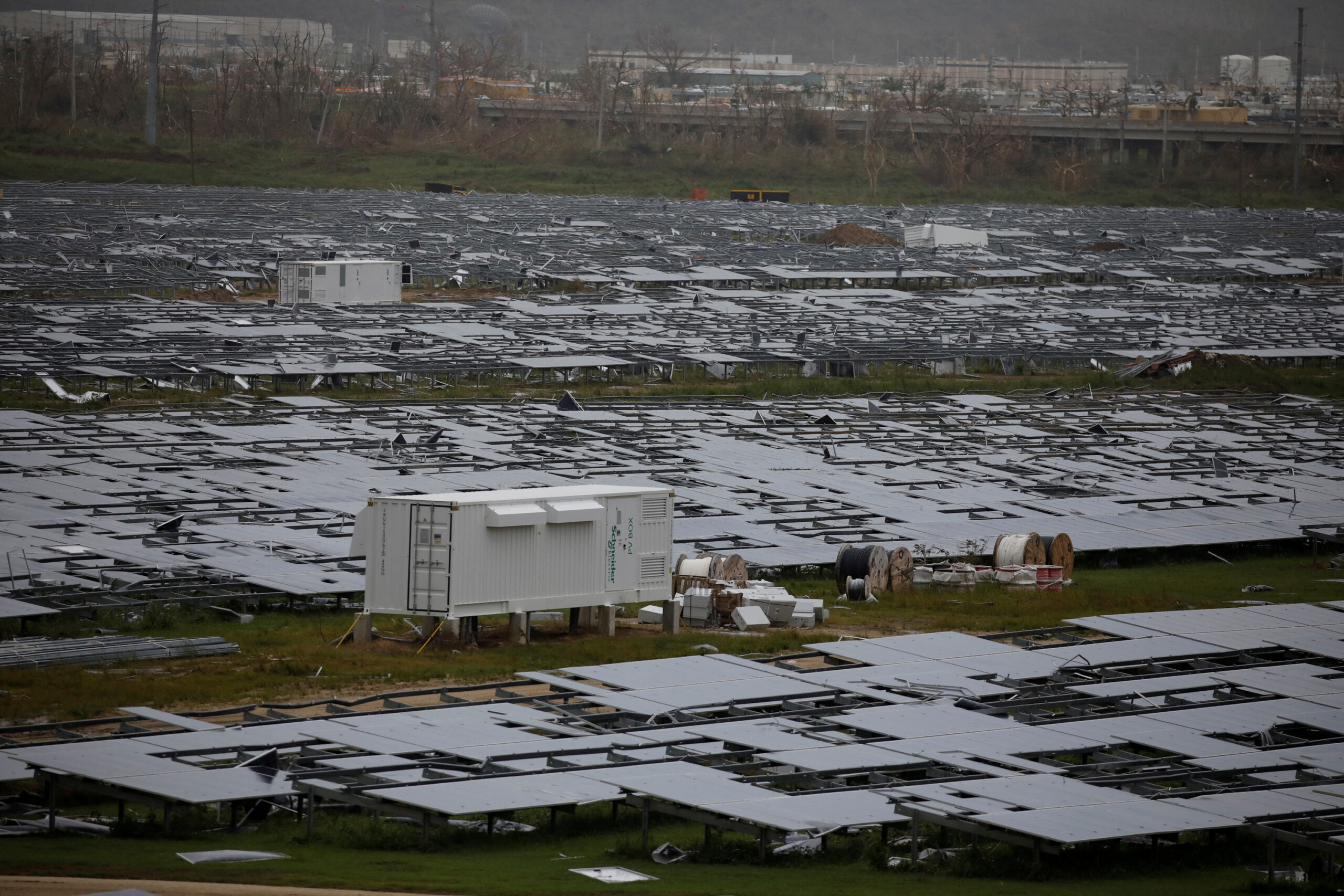
While renewable energy offers a promising future, it also introduces new risks and challenges for insurers to consider. The most obvious risks stem from the physical infrastructure required to generate renewable energy—such as wind turbines, solar panels, and hydroelectric plants—which can be vulnerable to extreme weather events, natural disasters, and technological failures. These risks require insurance policies that specifically address the unique challenges of renewable energy assets.
For example, offshore wind farms face the risk of damage from rough seas and storms, while solar farms may be vulnerable to hailstorms or wildfires. The specialized nature of these assets means that insurers must develop bespoke products to cover potential losses and damages. Moreover, new technologies such as battery storage systems and green hydrogen plants also present uncharted risks that must be understood and priced appropriately.
Climate change itself also creates new risks for renewable energy projects. While renewable energy is seen as part of the solution to mitigate climate risks, the sector is not immune to the effects of climate change. Rising sea levels, more frequent extreme weather events, and changes in temperature patterns can all affect the performance of renewable energy infrastructure. As a result, insurers must factor in the potential impact of climate change when underwriting renewable energy projects.
The Opportunity: Growth in Green Insurance
While new risks are a concern, the renewable energy sector also presents significant growth opportunities for the insurance industry. As the demand for renewable energy continues to grow, the need for specialized insurance products will increase. From construction and operational insurance for wind and solar farms to liability and business interruption coverage, the sector offers a wide range of potential for insurers to expand their offerings.
In particular, insurers can develop innovative products that meet the specific needs of renewable energy developers and investors. These could include coverage for:
- Project construction: Insuring large-scale renewable energy projects during their construction phase, including coverage for equipment, labor, and environmental risks.
- Operational performance: Policies that address the ongoing operational risks of renewable energy assets, including machinery breakdown, equipment failure, and the impact of weather events.
- Cybersecurity risks: As renewable energy systems become more digitized, cyber risks are an emerging concern. Insurers can offer products that address data breaches, cyber-attacks, and the risk of system failures caused by hacking or other forms of cyber intrusion.
- Transition risk: Insuring businesses and assets undergoing the transition to renewable energy, including retrofitting existing infrastructure or mitigating the risk of stranded assets as fossil fuel dependence declines.
Additionally, as the global focus on sustainability intensifies, the insurance sector itself has a role to play in financing renewable energy development. Many insurers are beginning to invest directly in renewable energy projects, either through green bonds or direct equity stakes. By aligning their investment portfolios with sustainable practices, insurers can not only capitalize on the financial returns from the growing renewable energy market but also enhance their environmental, social, and governance (ESG) credentials.
Embracing ESG and Sustainability
The shift toward renewable energy is closely tied to the growing importance of Environmental, Social, and Governance (ESG) factors in investment and business practices. The insurance industry is increasingly being pressured to demonstrate its commitment to sustainability, both in its underwriting practices and its investment strategies.
Incorporating renewable energy into their portfolios can help insurers align with ESG criteria, particularly as investors and regulators demand greater transparency around sustainability practices. Insurance companies are increasingly scrutinizing the carbon footprint of their investments and working to divest from fossil fuels while increasing their exposure to clean energy and green technology.
Moreover, the development of green insurance products—policies designed to encourage sustainable business practices—presents an opportunity for insurers to align themselves with the transition to a low-carbon economy. Green insurance policies could provide discounts or incentives for businesses that adopt renewable energy technologies or meet certain sustainability criteria, making it an attractive offering for businesses looking to enhance their ESG profile.
The Role of Technology in Renewable Energy Insurance
The rapid development of renewable energy technology is also creating opportunities for insurers to use data and technology to better assess and manage risk. Advanced data analytics, artificial intelligence (AI), and machine learning are increasingly being applied to improve risk modeling, enhance underwriting accuracy, and optimize claims management.
For example, satellite imagery and remote sensing technologies can be used to monitor the condition of solar panels and wind turbines, providing insurers with real-time data that helps in risk assessment. Predictive analytics can also be used to forecast extreme weather events and natural disasters, enabling insurers to offer more accurate pricing and proactively manage claims.
In addition, blockchain technology could be used to streamline and automate various aspects of the insurance process, from policy issuance to claims management. By improving efficiency and reducing administrative costs, technology can help insurers offer more competitive pricing on renewable energy projects while improving customer service and satisfaction.
Conclusion: A Changing Landscape for Insurance
The renewable energy sector presents both challenges and opportunities for the insurance industry. While new risks are introduced by the growing reliance on clean energy technologies, the demand for specialized insurance products continues to rise. As the transition to renewable energy accelerates, insurers have a unique opportunity to expand their offerings, embrace sustainability, and contribute to a low-carbon economy.
By developing innovative insurance solutions, investing in renewable energy projects, and leveraging technology to better assess and manage risks, the insurance sector can play a key role in supporting the growth of the renewable energy industry while positioning itself for long-term success in a rapidly changing market. The future of energy is renewable—and the future of insurance is evolving alongside it.