

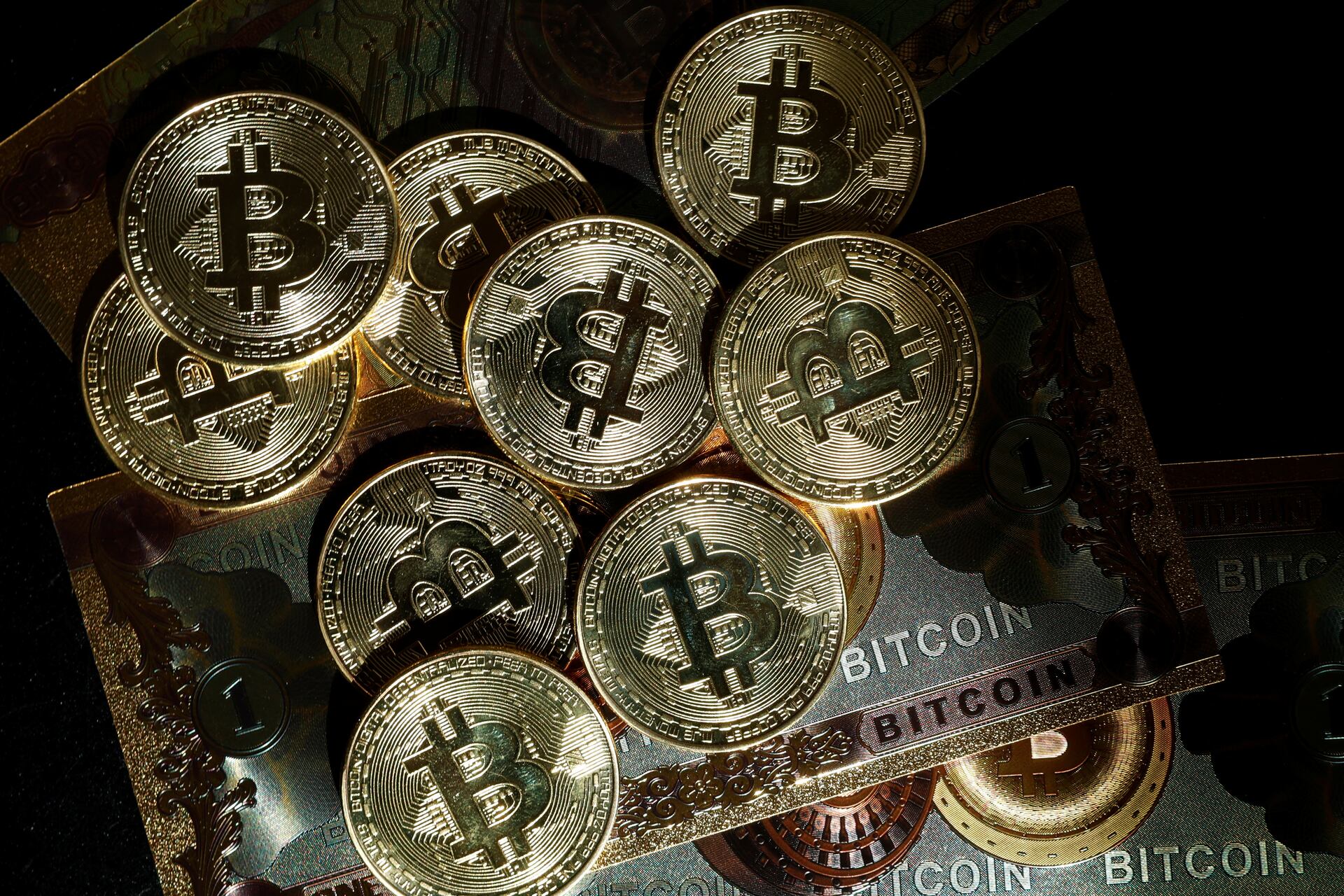
The International Monetary Fund (IMF) has reiterated that Bitcoin remains a critical component in its ongoing discussions with El Salvador regarding the country’s financial and economic policies. This comes more than two years after El Salvador became the first country in the world to adopt Bitcoin as legal tender in September 2021, sparking both global interest and controversy.
The IMF, which has expressed concerns over El Salvador’s Bitcoin experiment from the beginning, is continuing negotiations with the Central American nation to establish a new economic program. These talks are aimed at addressing the country’s fiscal challenges and ensuring financial stability, and Bitcoin remains a key point of focus in these discussions.
Bitcoin’s Role in El Salvador’s Economy
El Salvador’s bold decision to make Bitcoin legal tender alongside the U.S. dollar was spearheaded by President Nayib Bukele, who promoted the cryptocurrency as a way to boost financial inclusion, attract foreign investment, and reduce remittance costs. Under the law, Salvadorans can use Bitcoin for everyday transactions, taxes, and payments, though the U.S. dollar continues to dominate the economy.
The introduction of Bitcoin was met with a mix of excitement and skepticism. Supporters argue that the move has positioned El Salvador as a pioneer in the world of cryptocurrency, potentially attracting tech investments and tourists interested in the country’s crypto experiment. However, critics—including the IMF—have raised concerns about the risks associated with adopting such a volatile asset as legal tender.
Bitcoin’s price fluctuations have been a central issue, with its value experiencing significant swings since El Salvador’s adoption. This volatility has raised concerns about its impact on the country’s public finances, inflation, and the stability of the financial system, which relies heavily on remittances from abroad.
IMF’s Concerns Over Bitcoin Adoption
The IMF has consistently warned that adopting Bitcoin as legal tender presents substantial risks to economic stability, financial integrity, and consumer protection. It has urged El Salvador to reconsider its approach, particularly in terms of using Bitcoin to pay for public services and its potential impact on debt sustainability.
In a statement, an IMF representative said, “The use of Bitcoin as legal tender continues to be a key issue in discussions with El Salvador. We are working with the authorities to address the risks and ensure that financial and macroeconomic stability are preserved.”
The IMF has previously raised concerns over the potential for Bitcoin to be used for money laundering or other illicit activities, given the lack of regulation around cryptocurrency transactions. Additionally, the IMF has questioned the government’s decision to invest public funds in Bitcoin, which could expose the country to significant fiscal risks if the value of the cryptocurrency were to plummet.
Despite these concerns, President Bukele’s administration has remained committed to its Bitcoin strategy. The government launched the “Chivo Wallet,” a digital wallet designed to make Bitcoin transactions easier for Salvadorans and has continued to promote the benefits of crypto adoption.
Talks Focus on Balancing Bitcoin With Broader Economic Goals
As El Salvador and the IMF continue their negotiations, one of the central challenges is finding a balance between the country’s Bitcoin ambitions and the need to maintain fiscal discipline and economic stability. The IMF’s involvement is crucial for El Salvador, which is seeking financial support to address its fiscal deficit and manage its rising public debt.
While Bitcoin is a key point of contention, the IMF’s program discussions also focus on other areas, such as tax reforms, public investment, and measures to improve governance and transparency. Any financial support package from the IMF is likely to come with conditions aimed at ensuring fiscal sustainability, which may include modifications to El Salvador’s Bitcoin strategy.
At the same time, the government’s Bitcoin policy has become an integral part of its economic identity under President Bukele’s leadership. El Salvador has positioned itself as a crypto-friendly nation, and the government has even announced plans to issue Bitcoin-backed bonds and develop a “Bitcoin City,” which would be powered by geothermal energy from the country’s volcanoes.
Potential Outcomes and Future of Bitcoin in El Salvador
As the IMF and El Salvador move forward with their talks, the future of Bitcoin as a legal tender in the country remains uncertain. The outcome of the negotiations could lead to adjustments in how Bitcoin is used in the economy or in the government’s broader fiscal approach to managing its cryptocurrency holdings.
In previous reports, the IMF has suggested that while Bitcoin could be allowed as a speculative investment, its role as legal tender should be reconsidered. This stance reflects the global financial institution’s cautious approach to cryptocurrency, which contrasts with El Salvador’s embrace of Bitcoin as a symbol of financial innovation.
However, it is clear that the government is not backing down from its Bitcoin policy. President Bukele has dismissed criticism from international organizations, including the IMF, and continues to highlight the potential benefits of Bitcoin adoption, especially in terms of financial inclusion for the 70% of the population that remains unbanked.
The IMF’s involvement is crucial as El Salvador navigates its economic future. A financial package from the IMF could help stabilize the country’s economy and provide the support needed to manage its fiscal challenges, but the Bitcoin issue will likely remain a sticking point in reaching a final agreement.
Conclusion
As discussions between the IMF and El Salvador continue, Bitcoin remains at the center of the debate over the country’s economic policies. While the IMF has expressed concerns about the risks associated with Bitcoin as legal tender, El Salvador remains committed to its cryptocurrency experiment under President Bukele.
The outcome of these talks will be critical not only for El Salvador’s economic stability but also for the global conversation surrounding the integration of cryptocurrencies into national economies. Whether Bitcoin’s role in El Salvador’s economy will be scaled back or maintained, the country’s bold experiment will continue to draw attention from policymakers and financial institutions around the world.