

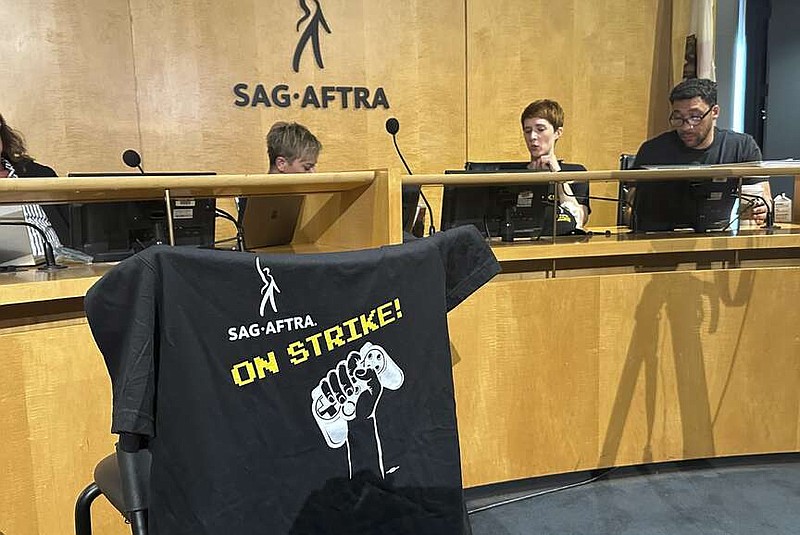
Hollywood’s Videogame Performers to Go on Strike: Industry Faces Potential Disruption
In a significant move that could disrupt the video game industry, Hollywood’s video game performers have announced plans to go on strike. The strike, set to begin on August 15, 2024, comes after failed negotiations between the performers’ union, SAG-AFTRA, and major video game companies. The performers are demanding better wages, improved working conditions, and more comprehensive benefits, highlighting the increasing importance and challenges of their roles in the booming video game industry.
The Core Issues: Why Performers are Striking
The decision to strike follows months of negotiations that have failed to address several key issues for the performers. Among their primary concerns are:
- Fair Compensation: Performers argue that they are not being adequately compensated for their work, especially considering the significant revenue generated by the video game industry. They are pushing for higher wages that reflect their contribution to the success of top-selling games.
- Residuals and Bonuses: Similar to their counterparts in film and television, video game performers are seeking residual payments and bonuses tied to the sales and success of the games in which they perform. This would provide them with a share of the ongoing profits from hit games.
- Health and Safety: The union has raised concerns about the physical demands of motion capture and voice acting sessions, which can be grueling and potentially harmful. They are advocating for better safety protocols, more breaks, and limits on session lengths to protect performers’ health.
- Recognition and Rights: Performers want greater recognition for their contributions, including proper credits in games and the protection of their likenesses and voices. They also seek stronger protections against the use of artificial intelligence to replicate their performances without consent or compensation.
Industry Impact: Potential Disruptions
The strike could have far-reaching implications for the video game industry, which relies heavily on the talents of voice actors and motion capture artists to bring characters and stories to life. Key impacts include:
- Delays in Game Releases: Ongoing and upcoming projects could face significant delays as game developers scramble to find temporary solutions or adjust production schedules. This could affect the release dates of highly anticipated titles.
- Quality of Performances: The absence of professional performers could impact the quality of voice acting and motion capture in games, potentially leading to a decline in the overall player experience.
- Financial Repercussions: Delays and disruptions in production could lead to financial losses for game companies, particularly those with major releases planned for the holiday season or other peak sales periods.
- Industry Relations: The strike highlights growing tensions between performers and game developers, which could lead to longer-term changes in industry practices and labor relations.
Responses from the Industry
Major video game companies have expressed a willingness to return to the negotiating table but have also highlighted the challenges of meeting all the union’s demands. In a joint statement, several leading game developers emphasized their commitment to fair labor practices but noted the financial and logistical complexities involved in implementing some of the proposed changes.
The Role of Gamers and the Public
Gamers and the general public have a significant role to play in this situation. Public support for the performers’ demands could pressure game companies to reach an agreement. Social media campaigns and consumer advocacy can amplify the voices of the performers and highlight the importance of fair treatment in the industry.
Looking Forward: Possible Resolutions
As the strike date approaches, there is still hope for a resolution that satisfies both parties. Potential solutions could include phased implementation of new compensation structures, enhanced safety protocols, and clearer guidelines on the use of AI in performances. Mediators may also be brought in to facilitate discussions and help bridge the gap between the union and the game companies.
The upcoming strike by Hollywood’s video game performers marks a critical moment for the video game industry. The outcome of this labor dispute will not only affect the immediate production of video games but also set a precedent for how performers are treated and compensated in the future. As the industry grapples with these challenges, all eyes will be on the negotiations to see if a fair and sustainable resolution can be achieved.