

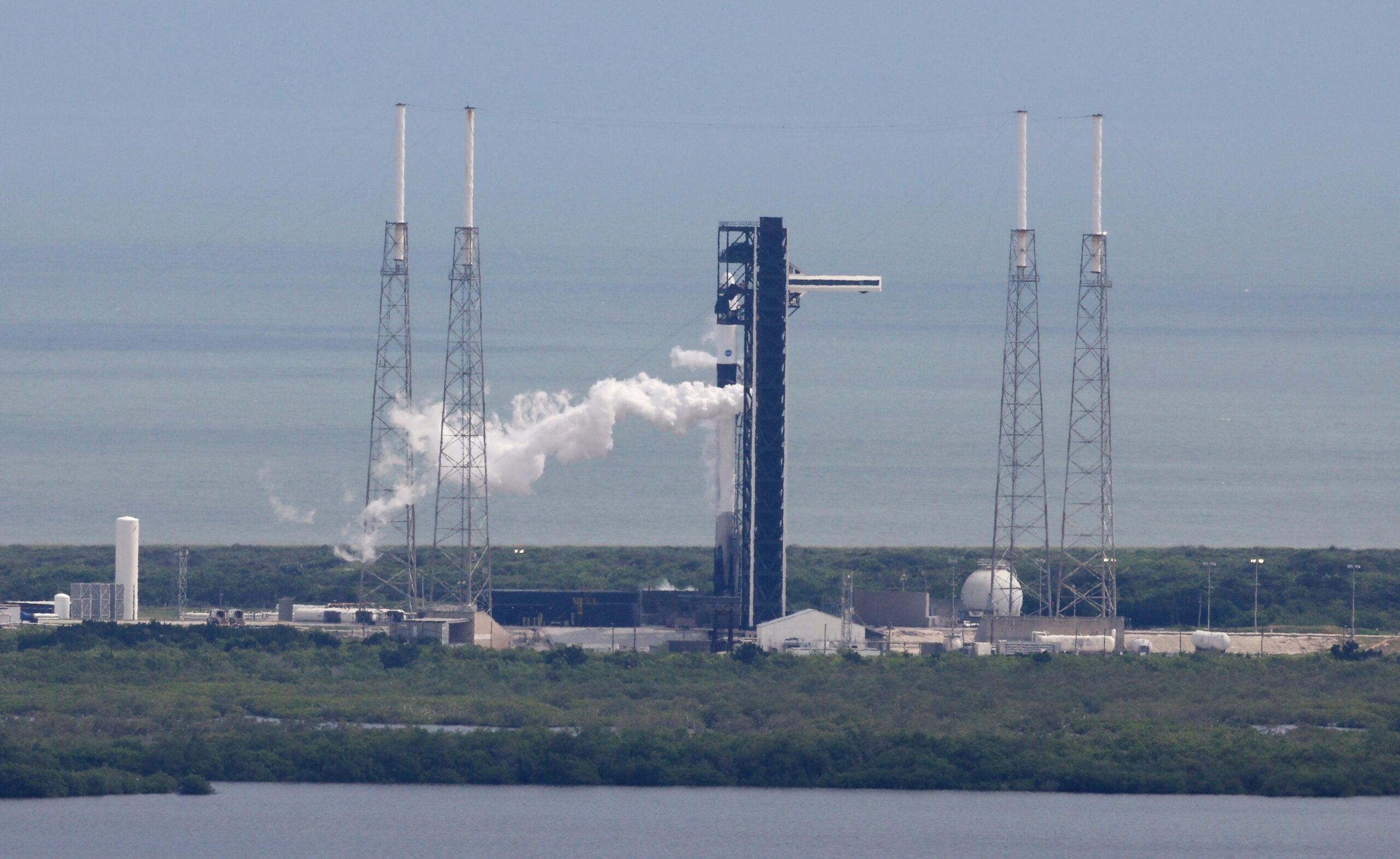
In an exciting development for space enthusiasts and the aerospace industry, the Federal Aviation Administration (FAA) has granted approval for SpaceX’s upcoming Starship 5 flight, scheduled for this Sunday. This announcement marks a significant milestone in SpaceX’s ambitious plans to revolutionize space travel and exploration, further solidifying the company’s status as a leader in the aerospace sector.
Background on the Starship Program
The Starship program is SpaceX’s flagship initiative aimed at developing a fully reusable spacecraft designed for a variety of missions, including crewed missions to the Moon, Mars, and beyond. The Starship vehicle is intended to carry both crew and cargo, with the capacity to transport up to 100 tons to low Earth orbit.
Following the successful launch of previous prototypes, the Starship program has garnered significant attention for its innovative technology and potential to reduce the cost of space travel. The latest iteration, Starship 5, is set to undergo further testing to refine its systems and capabilities.
FAA Approval and Safety Considerations
The FAA’s approval comes after a thorough review process, ensuring that SpaceX has addressed safety concerns and complied with regulatory requirements. The FAA’s role is crucial in overseeing commercial space launches, prioritizing public safety and environmental considerations.
In its statement, the FAA emphasized that it takes its responsibility to ensure the safety of the public and the environment seriously. “We are committed to working with SpaceX and other commercial space launch operators to support the growth of the space industry while maintaining safety standards,” the agency said.
What to Expect from the Starship 5 Flight
The Starship 5 flight aims to test various systems and technologies, including the spacecraft’s launch capabilities, flight performance, and recovery systems. While specific details about the mission are still under wraps, it is expected that the flight will feature several key objectives:
- High-Altitude Testing: Starship 5 is designed to reach significant altitudes to gather data on its aerodynamic performance during ascent and descent.
- Landing Maneuvers: The mission will likely include testing the vehicle’s landing capabilities, a critical aspect of its reusability.
- Data Collection: SpaceX will collect valuable data throughout the flight, which will inform future design improvements and operational strategies.
Industry Reactions
The announcement of the FAA’s approval has been met with enthusiasm from the space community and industry experts. Many view this flight as a crucial step toward achieving SpaceX’s long-term goals, including potential crewed missions to Mars.
“Every test flight brings us closer to realizing the dream of interplanetary travel,” said Dr. Jane Holloway, a space industry analyst. “Starship 5 could provide vital information that helps refine the technology necessary for human exploration of Mars and beyond.”
Looking Ahead
As the launch window approaches, anticipation is building among space enthusiasts and professionals alike. If successful, the Starship 5 flight will not only advance SpaceX’s objectives but also inspire a new generation of scientists, engineers, and explorers.
The Starship program represents a bold vision for the future of space travel, with SpaceX at the forefront of innovation. With the FAA’s approval, the stage is set for a potentially groundbreaking mission that could pave the way for the next era of human exploration beyond Earth.
Conclusion
With the FAA’s green light for the Starship 5 flight scheduled for Sunday, SpaceX is poised to make significant strides in its quest to revolutionize space travel. As the aerospace industry watches closely, the success of this mission could have far-reaching implications for the future of space exploration and commercial spaceflight. As we await the launch, excitement continues to build around the possibilities that lie ahead in humanity’s quest to explore the cosmos.