

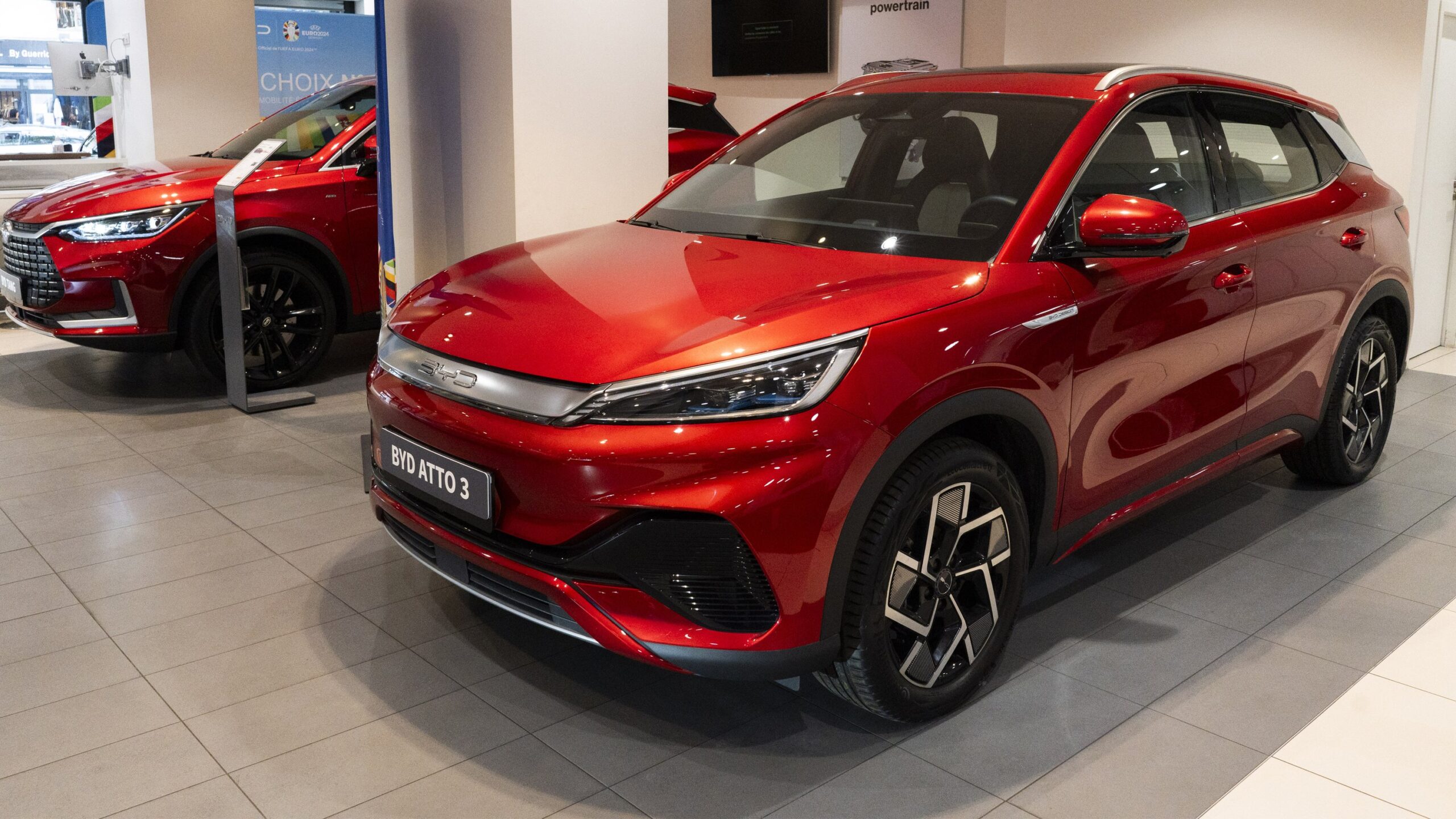
A recent vote within the European Union on whether to impose tariffs on Chinese electric vehicles (EVs) ended without a conclusive outcome, EU sources reported. This indecision places the final responsibility on the European Commission to determine how the bloc will respond to concerns over China’s competitive pricing and potential subsidies that some believe are unfairly distorting the EV market.
Background: Chinese EVs and Market Competition
In recent years, Chinese electric vehicle manufacturers have made significant strides in both technological advancement and market expansion, rapidly gaining ground in Europe, a key market for EVs. Brands like BYD, Nio, and Xpeng have started offering lower-cost alternatives to European automakers, appealing to consumers looking for affordable EV options. However, the rise of these companies has raised concerns among European governments and automakers, who argue that Chinese EVs benefit from substantial government subsidies, giving them an unfair competitive advantage.
In response to these concerns, the European Commission launched an anti-subsidy investigation into Chinese EV imports in September 2023, with the aim of determining whether tariffs should be imposed to protect European manufacturers from what they see as unfair competition.
The Inconclusive Vote
The recent vote, held among EU member states, was intended to reach a consensus on whether to move forward with punitive tariffs on Chinese electric vehicle imports. However, the vote proved inconclusive, with no clear majority emerging either in favor of or against the measure. According to EU sources, member states remain divided on the issue, with some countries backing the idea of tariffs to protect their domestic industries, while others are concerned about the potential economic repercussions, including higher costs for consumers and retaliatory actions from China.
Countries like France and Germany, which have significant automotive sectors, have been vocal about the need to address what they perceive as market distortions. On the other hand, some member states are hesitant to disrupt trade relations with China, a key trading partner for the EU.
The European Commission’s Role
With the member states unable to reach a consensus, the decision on whether to impose tariffs now rests with the European Commission. The Commission, led by President Ursula von der Leyen, has already signaled its willingness to take action if the investigation concludes that Chinese EVs are being unfairly subsidized.
The Commission has broad powers to implement trade measures, including tariffs, to protect the EU’s internal market. However, the decision will not be easy. Imposing tariffs on Chinese EVs could help level the playing field for European automakers like Volkswagen, Renault, and Stellantis, but it also risks escalating trade tensions with China, which could lead to retaliatory measures affecting other sectors of the European economy.
Furthermore, the EU is keen to maintain its green transition goals, and Chinese EV imports play a significant role in helping meet consumer demand for affordable electric vehicles. Tariffs could drive up the cost of EVs in Europe, potentially slowing the transition to cleaner energy sources and undercutting the EU’s ambitious climate targets.
Divided Opinions and Economic Implications
The debate over Chinese EV tariffs reflects the broader tensions between economic interests, trade relations, and environmental goals within the EU. European automakers have been struggling to compete with the price points of Chinese EVs, which are often sold at significantly lower prices, making them attractive to consumers, especially in the lower- and mid-market segments.
However, imposing tariffs may come at a cost for European consumers, who could face higher prices for EVs, limiting accessibility to green technology at a time when the EU is pushing hard for mass EV adoption to meet its climate targets.
At the same time, EU member states that rely heavily on automotive exports are growing increasingly frustrated with what they see as a lack of fair competition, arguing that without protective measures, the European automotive industry could suffer significant losses. The European automotive sector is a crucial part of the EU’s economy, supporting millions of jobs and contributing significantly to GDP.
China’s Response and Global Trade Relations
China has already expressed its dissatisfaction with the EU’s anti-subsidy investigation, accusing the EU of protectionism and warning that tariffs could strain economic ties between the two regions. Should the European Commission move forward with tariffs, China could respond with its own trade restrictions, potentially affecting key European exports like luxury goods, machinery, and chemicals.
The outcome of this situation could also have broader implications for global trade dynamics. With increasing trade tensions between the United States and China, the EU has sought to balance maintaining a strong trade relationship with China while also addressing domestic concerns about unfair competition. The decision on EV tariffs could set a precedent for future EU-China trade policies.
What’s Next?
As the European Commission prepares to make its decision in the coming weeks, the outcome will be closely watched by both industry stakeholders and international trade partners. For European automakers, a decision to impose tariffs could offer much-needed relief from Chinese competition, but for consumers and environmental advocates, the consequences of higher EV prices may pose challenges for the EU’s green transition.
Regardless of the final decision, this issue highlights the complex balancing act the EU faces in navigating global trade, protecting domestic industries, and advancing its climate agenda. The European Commission’s ruling on Chinese EV tariffs will not only shape the future of the EV market in Europe but also have far-reaching consequences for EU-China relations and global trade dynamics.