

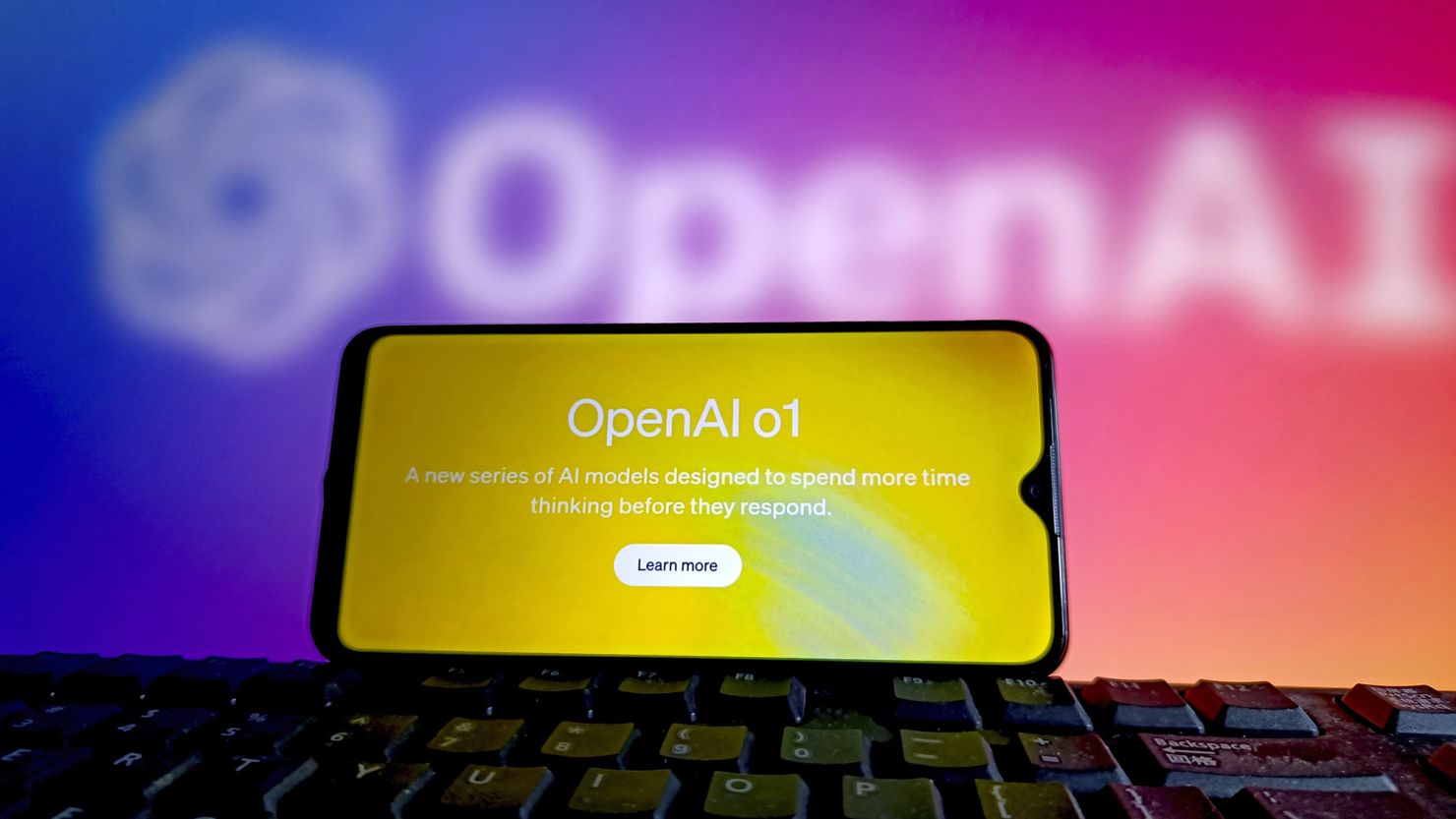
OpenAI, the company behind ChatGPT, recently unveiled a new advancement in its artificial intelligence technology, claiming that its latest model is capable of reasoning and thinking much like a human. This announcement has sparked excitement and curiosity within both the tech industry and the general public. The idea that an AI can approach human-like reasoning represents a significant leap in the evolution of AI, raising questions about what this means for the future of artificial intelligence, how it will impact society, and what ethical considerations must be addressed.
A New Era in AI Capabilities
Since its release in 2022, ChatGPT has already revolutionized how people interact with AI, with applications ranging from customer service to creative writing and complex problem-solving. However, the new model promises to take these abilities further. OpenAI has built upon the architecture of the GPT-4 model, improving the AI’s ability to understand context, process complex information, and make decisions that seem closer to human thought processes.
At the heart of this advancement is the model’s enhanced capacity for “reasoning.” This goes beyond just following programmed instructions or recognizing patterns; the AI is now equipped to analyze information and make decisions based on logical thought processes, much like a human being would when tackling a problem. This development marks a turning point in AI’s ability to perform tasks that were previously the domain of human cognition alone.
What Does It Mean to Reason Like a Human?
Human reasoning is a multifaceted process that involves critical thinking, emotional understanding, and adaptability. OpenAI claims its new model has made strides in mimicking these aspects of human cognition. The AI is able to break down complex problems, identify subtle patterns in data, and make connections that aren’t always immediately obvious.
This new version of ChatGPT is particularly adept at handling tasks that require more than just simple question-and-answer interactions. For instance, it can now better handle situations where there is ambiguity, where incomplete information is presented, or where nuanced thinking is required. This is a key step forward because, traditionally, AI models have struggled in situations where they are presented with uncertainty or conflicting data.
OpenAI emphasizes that the AI does not just mimic human speech more fluently; it processes information in ways that simulate human reasoning. This means the AI can reflect on its previous answers, reconsider its conclusions, and change its approach when given new information. While the model doesn’t “think” in the same way a human brain does, it performs tasks that bring it closer to the kind of critical analysis that humans are known for.
Implications for Industries and Everyday Life
The potential applications of an AI that reasons like a human are vast and varied. In the business world, for instance, companies could use such technology for more sophisticated data analysis, strategic planning, and decision-making. Industries like finance, healthcare, and education stand to benefit from the improved capabilities of this AI.
For example, in the medical field, the new model could assist doctors in diagnosing complex cases by analyzing symptoms, cross-referencing medical databases, and suggesting potential treatments based on a broader understanding of the information. In finance, the AI could help manage complex portfolios by anticipating market trends and analyzing risk factors in a more human-like manner, reducing errors that might arise from purely algorithmic approaches.
On an everyday level, this new AI model could change how individuals interact with technology. Personal digital assistants powered by this kind of AI could help people with tasks that require more nuanced problem-solving or emotional understanding. For example, in mental health support applications, the AI could provide responses that are more empathetic and tailored to a user’s unique situation, offering not just information but also emotional comfort.
Ethical Concerns and Challenges
While the technological leap forward is impressive, it also raises significant ethical concerns. The more an AI is able to reason and think like a human, the more pressing the need for oversight and regulation. A machine that can simulate human-like thought processes may inadvertently blur the line between human autonomy and machine control.
One of the major concerns is how such a model could be misused. For example, if this AI were employed in social media algorithms, it could become a powerful tool for influencing public opinion, potentially manipulating users by understanding their emotional states and preferences. The ability to reason like a human could give AI an unprecedented capacity for persuasion, which could be exploited for malicious purposes.
Another concern revolves around job displacement. As AI becomes more capable of performing tasks that require reasoning and critical thinking, it could replace jobs traditionally held by humans, not just in manufacturing or clerical work but also in fields like finance, law, and even creative industries.
Moreover, there’s the question of accountability. If an AI model is making decisions based on its own “reasoning,” who is responsible when things go wrong? If an AI-powered system makes an incorrect diagnosis or a poor financial recommendation, it’s unclear whether the blame lies with the developers, the users, or the machine itself. This creates a legal and moral grey area that will need to be addressed as AI continues to evolve.
Balancing Innovation with Responsibility
OpenAI has acknowledged the potential for misuse and is actively working to address these challenges. The company has implemented safeguards to ensure the AI behaves ethically and is transparent in its operations. For instance, the AI will be designed to explain its reasoning process when making a decision, providing users with insights into how it arrived at a particular conclusion. This transparency is crucial in helping people understand how the AI works and ensuring that it can be held accountable for its actions.
In addition, OpenAI is collaborating with regulators, researchers, and policymakers to develop ethical guidelines that will govern the use of its technology. These efforts include promoting fairness, avoiding bias, and ensuring that the AI’s decision-making processes are free from undue influence.
The Future of AI Reasoning
As OpenAI continues to refine its models, the future of AI seems increasingly poised to mirror human-like intelligence. The idea that an AI can think and reason like a person suggests exciting possibilities for its role in society, but it also underscores the importance of carefully managing this power. As AI becomes more advanced, it will be critical to strike a balance between innovation and responsibility, ensuring that these technologies are used to benefit humanity while minimizing risks.
The concept of AI reasoning like a human is no longer just the stuff of science fiction—it’s becoming a reality. Whether this will lead to AI becoming more integrated into everyday life, or whether it will prompt a reevaluation of our relationship with technology, one thing is clear: the world is on the cusp of a new era in artificial intelligence.