

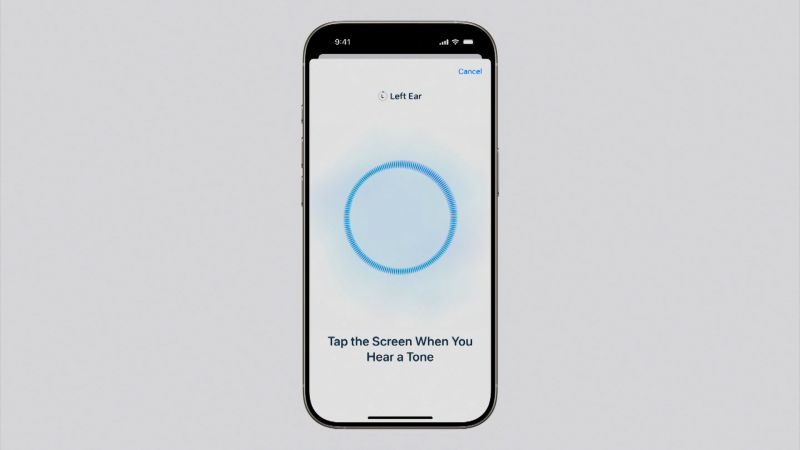
Apple is well-known for revolutionizing consumer technology, and its AirPods have become a cultural staple since their launch in 2016. What started as a simple, wireless alternative to traditional earbuds has since evolved into a multi-functional accessory, incorporating features like active noise cancellation, spatial audio, and hands-free Siri activation. Now, with the upcoming release of Apple’s latest AirPods, the tech giant is set to introduce a groundbreaking innovation: AirPods that act as both ear plugs and hearing aids.
This exciting new feature, which is expected to be available in the next generation of AirPods, will give users the ability to control their auditory environment in ways never before possible. By functioning as ear plugs, the AirPods will block out unwanted noise to protect users’ hearing, while their hearing aid functionality will amplify and clarify sound for those with mild to moderate hearing loss. This dual-purpose technology represents Apple’s foray into health tech, offering a more integrated solution for hearing protection and enhancement.
The Evolution of AirPods
Apple’s AirPods have come a long way from their initial launch as simple wireless earbuds. Over the years, Apple has continuously added features that enhance the user experience and push the boundaries of what earbuds can do. The second-generation AirPods introduced the H1 chip, improving wireless performance and battery life, while the AirPods Pro featured active noise cancellation (ANC), a technology that uses microphones and software to reduce unwanted ambient noise.
The introduction of spatial audio in later versions further cemented AirPods’ position as more than just a pair of earbuds—they became a tool for immersive audio experiences, especially for those consuming content on Apple devices. The company’s focus on health-related features, such as the integration of the iPhone’s hearing health capabilities and transparency modes, laid the groundwork for its next big step: combining hearing aid functions and ear plug technology into a single, sleek product.
Ear Plugs: Protecting Hearing in Noisy Environments
One of the standout features of the new AirPods will be their ability to act as high-tech ear plugs, protecting users’ hearing in environments with loud or potentially harmful noise levels. Noise-induced hearing loss is a growing concern, particularly in an age where we are constantly exposed to loud sounds in everyday life, from concerts and sports events to city traffic and construction noise. Traditional ear plugs have been the go-to solution for noise reduction, but they often lack precision, either muffling all sounds indiscriminately or failing to provide enough protection in certain scenarios.
The new AirPods, however, will employ advanced noise cancellation technology to provide customizable sound isolation. By using real-time algorithms and internal microphones, the earbuds will analyze the sound environment and adjust noise suppression levels accordingly. This feature will allow users to block out damaging levels of noise, such as loud machinery or amplified music, while still allowing them to hear important sounds like voices or alarms.
In essence, the AirPods will act as smart ear plugs, offering an optimal balance of protection and awareness. Users will also be able to manually adjust the level of noise reduction through the iPhone’s control center, customizing their experience to suit specific environments, whether they are at a concert, traveling, or simply trying to focus in a noisy workplace.
Hearing Aid Capabilities: A Game-Changer for Accessibility
Perhaps the most significant innovation in Apple’s new AirPods is their ability to function as hearing aids for users with mild to moderate hearing loss. According to the World Health Organization, more than 1.5 billion people worldwide experience some degree of hearing loss, with many unable to access or afford traditional hearing aids. Apple’s move to integrate hearing aid functions into a popular consumer device could dramatically change the accessibility landscape for those in need of auditory assistance.
The AirPods’ hearing aid mode will leverage beamforming microphones and advanced algorithms to amplify external sound, clarifying speech and reducing background noise in real time. This feature will be especially helpful in noisy environments like crowded restaurants or busy streets, where hearing aid users often struggle to distinguish speech from ambient noise.
Apple has been laying the groundwork for this for years with features like Live Listen, which allows users to use their iPhone as a microphone to send clearer audio to AirPods. The new AirPods will take this functionality several steps further, providing a more sophisticated, integrated solution.
The inclusion of hearing aid technology could also position Apple as a disruptor in the hearing aid industry, an area that has historically been dominated by specialized, expensive devices. By integrating hearing support into a widely used consumer product, Apple could make hearing aids more affordable and accessible to a broader population.
Health and Accessibility at the Core
Apple’s new AirPods represent the company’s continuing focus on health and wellness technology, particularly in the realm of accessibility. Over the past decade, Apple has made health-related innovations a core part of its product ecosystem, from the Apple Watch’s heart monitoring features to the iPhone’s hearing health metrics. The integration of hearing protection and amplification into AirPods is a natural extension of these efforts, allowing users to monitor and manage their auditory health more proactively.
For users who are concerned about their hearing, the new AirPods will also be able to pair with Apple’s Health app, providing detailed insights into hearing health. The app will be able to track exposure to loud noises and provide tips on how to protect hearing, as well as monitor the effectiveness of the hearing aid functions.
Apple’s foray into hearing tech is also a reflection of broader trends in the consumer technology space. As tech companies increasingly focus on health and wellness, products like AirPods are evolving into multifunctional devices that go beyond entertainment to offer real, tangible benefits to users’ well-being.
The Future of AirPods: An All-in-One Hearing Device
With these new features, the next generation of AirPods will blur the lines between consumer technology and medical devices. By combining noise protection, hearing enhancement, and smart audio control in one sleek package, Apple is positioning AirPods as an all-in-one hearing solution that can appeal to a wide range of users, from those seeking noise reduction in loud environments to people with hearing loss looking for an accessible alternative to traditional hearing aids.
While traditional hearing aids are highly specialized and often come with a hefty price tag, Apple’s strategy could make basic hearing support more accessible to millions of people who might otherwise go without assistance. In doing so, the company could open up new markets and disrupt the existing hearing aid industry, while further entrenching its products in the everyday lives of its users.
However, Apple’s entrance into the hearing aid market is not without challenges. Regulatory approval, particularly from health agencies like the FDA, could be required depending on how the hearing aid functionality is classified. Additionally, some critics may argue that tech companies should not replace specialized medical devices with general consumer products. That said, the potential for widespread positive impact on hearing health, combined with Apple’s reputation for innovation, may outweigh these concerns.
Conclusion
Apple’s new AirPods are poised to revolutionize how we think about hearing health. By combining ear plug functionality with hearing aid technology, Apple is creating a product that is not only practical but also inclusive and potentially life-changing for millions of people around the world. As AirPods evolve into multifunctional health devices, they signal a broader trend in consumer technology—one where personal well-being and accessibility are just as important as entertainment and convenience.
Apple’s ability to integrate health features into everyday devices like AirPods could have far-reaching implications for both the tech and healthcare industries. With this new chapter in AirPods’ evolution, Apple is once again demonstrating its commitment to pushing the boundaries of what personal technology can achieve. Whether for protection from loud environments or assistance with hearing loss, the new AirPods will offer users a unique, customizable auditory experience that caters to both entertainment and health needs, cementing their place as one of the most versatile products in Apple’s lineup.