

Tech Tsunami: What’s Coming Will Change Everything
Introduction
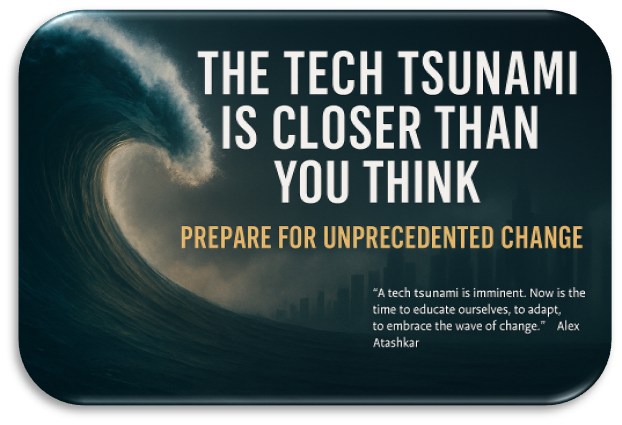
Ever feel like you’re standing on a beach, enjoying the calm, only to see a massive wave building on the horizon? That, in a nutshell, is where we are with technology. We’re not just talking about incremental upgrades or slightly faster gadgets. We’re talking about a tech tsunami, a convergence of innovations poised to reshape everything we know – from how we work and live to how we interact with the world.
Forget science fiction; this isn’t about flying cars (at least not yet!). This is about the practical, rapidly evolving technologies already making waves and the even bigger ones gathering force. Are you ready to dive in and navigate the coming changes?
The Rising Tide: Key Technologies Leading the Charge
Several core technologies are fueling this tech tsunami. Let’s break down some of the biggest players:
- Artificial Intelligence (AI) and Machine Learning (ML): We’ve moved beyond AI being a buzzword to it powering everything from personalized recommendations on Netflix to diagnosing diseases with greater accuracy. ML algorithms are learning and improving, allowing AI to automate complex tasks, analyze massive datasets, and even create art and music.
- The Internet of Things (IoT): Imagine a world where everyday objects are connected to the internet, sharing data and responding to our needs. That’s IoT. From smart thermostats adjusting to your schedule to sensors optimizing agricultural yields, IoT is bringing intelligence to the physical world.
- Blockchain Technology: More than just cryptocurrency, blockchain is a revolutionary way to record and verify transactions securely and transparently. It has the potential to disrupt industries like finance, supply chain management, and healthcare by creating more efficient and trustworthy systems.
- Quantum Computing: While still in its early stages, quantum computing promises to solve problems that are impossible for even the most powerful classical computers. This could lead to breakthroughs in drug discovery, materials science, and artificial intelligence.
- Augmented and Virtual Reality (AR/VR): AR overlays digital information onto the real world, while VR creates immersive, simulated environments. Beyond gaming, AR/VR is transforming training, education, design, and even remote collaboration.
Short-Term Ripples: Immediate Impacts We’re Already Seeing
The effects of this tech surge are already being felt across numerous sectors:
- Workplace Transformation: Automation and AI are changing job roles, requiring workers to adapt and learn new skills. Remote work, fueled by collaboration tools, is becoming increasingly prevalent, challenging traditional office structures.
- Healthcare Revolution: AI-powered diagnostics, personalized medicine, and remote patient monitoring are improving healthcare outcomes and accessibility. Wearable devices are empowering individuals to track their health and wellness.
- Enhanced Customer Experiences: Businesses are using AI to personalize marketing, provide instant customer support, and create more engaging experiences. E-commerce is evolving with AR-enabled product try-ons and seamless payment options.
- Smarter Cities: IoT sensors are optimizing traffic flow, reducing energy consumption, and improving public safety in urban environments. Data analytics are helping city planners make more informed decisions.
Long-Term Breakers: What the Future Holds
Looking further ahead, the tech tsunami has the potential to reshape society in profound ways:
- Ubiquitous Automation: AI-powered robots and systems will automate many routine tasks, freeing up humans to focus on more creative and strategic endeavors. This could lead to increased productivity and economic growth, but also raises concerns about job displacement.
- Personalized Education: AI tutors and adaptive learning platforms will tailor education to individual needs and learning styles. VR field trips and interactive simulations will create more engaging and immersive learning experiences.
- Decentralized Systems: Blockchain technology could revolutionize governance, finance, and supply chain management by creating more transparent and democratic systems.
- Human-Machine Collaboration: We will increasingly work alongside AI systems, leveraging their strengths to augment our abilities. This will require new skills in areas like data analysis, AI ethics, and human-computer interaction.
- Ethical Considerations: As technology becomes more powerful, we must address ethical concerns related to privacy, bias, and job displacement. Developing responsible AI and ensuring equitable access to technology will be crucial.
Navigating the Wave: Practical Solutions and Strategies
So, how do we prepare for and benefit from this tech tsunami? Here are some practical solutions and strategies:
- Embrace Lifelong Learning: Invest in continuous learning to acquire new skills and stay ahead of the curve. Online courses, workshops, and industry certifications can help you adapt to changing job requirements.
- Example: A marketing professional taking a course on AI-powered marketing tools to enhance their skills.
- Upskill and Reskill: Identify the skills that are becoming obsolete and proactively acquire new skills that are in demand. Focus on areas like data analysis, AI, cloud computing, and cybersecurity.
- Case Study: A factory worker undergoing training to operate and maintain automated machinery.
- Develop Digital Literacy: Become proficient in using digital tools and technologies. This includes everything from basic computer skills to understanding data analytics and cybersecurity best practices.
- Example: Participating in a workshop to improve online security knowledge and practices.
- Embrace Adaptability: Be open to change and willing to adapt to new technologies and processes. Flexibility and adaptability are key to thriving in a rapidly evolving environment.
- Example: Being receptive to new project management software in your workplace.
- Promote Digital Inclusion: Ensure that everyone has access to technology and the skills to use it effectively. This includes addressing the digital divide and providing training opportunities for underserved communities.
- Champion Ethical Tech Development: Advocate for the responsible development and use of technology. Support policies and initiatives that promote privacy, fairness, and transparency.
- Example: Participating in discussions and forums about ethical AI development and its impact on society.
- Foster Collaboration: Work with others to explore new technologies and develop innovative solutions. Collaboration can accelerate learning and lead to more effective outcomes.
- Seek Mentorship: Connect with mentors who have experience in emerging technologies. They can provide guidance and support as you navigate the changing landscape.
- Experiment and Innovate: Don’t be afraid to experiment with new technologies and try new approaches. Innovation is essential for staying ahead in a rapidly evolving environment.
Conclusion: Ride the Wave, Don’t Be Crushed By It
The tech tsunami is upon us, and there’s no turning back. But instead of fearing the wave, we can learn to ride it. By embracing lifelong learning, developing digital literacy, and promoting ethical tech development, we can harness the power of technology to create a better future for ourselves and society.
The future is not something that happens to us; it’s something we create. Let’s dive in, embrace the change, and shape the tech tsunami to our advantage. The possibilities are endless, and the time to act is now. It’s time to equip yourself with the knowledge and the tools necessary to not just survive but thrive in the face of this monumental shift. The future is being written, and you have a chance to be a part of the story.