

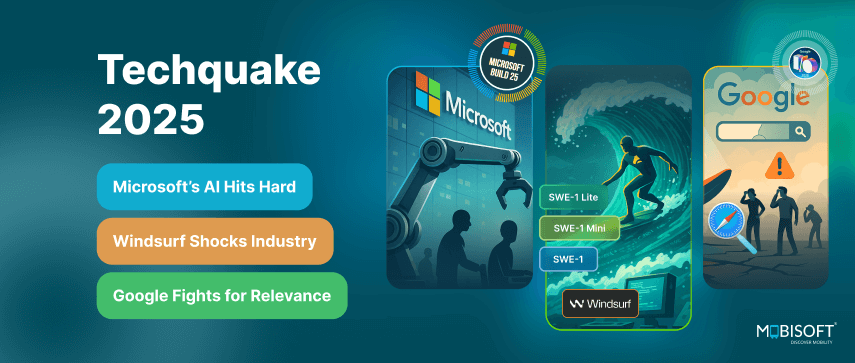
Techquake: Disruption Ahead
Introduction
Hold on tight! The ground beneath the business world is rumbling, and it’s not just a tremor. We’re talking a full-blown Techquake – a seismic shift driven by rapid technological advancements that are reshaping industries, redefining jobs, and forcing businesses to either adapt or risk being left behind.
Think of it as the digital version of plate tectonics. Years of slow, steady build-up are suddenly unleashing massive forces. Automation, artificial intelligence (AI), blockchain, the Internet of Things (IoT) – these aren’t just buzzwords anymore. They’re powerful tools changing everything from how we manufacture goods to how we interact with customers.
So, what does this Techquake mean for you? Whether you’re a CEO, a small business owner, or just starting your career, understanding the short-term and long-term impacts of these technological shifts is crucial for navigating the future.
Short-Term Shocks: The Immediate Aftermath
The immediate impact of the Techquake is often felt as a series of jolts:
- Job Displacement: Let’s face it, some jobs are disappearing. Automation is increasingly taking over repetitive tasks, leading to concerns about unemployment in certain sectors. We’ve already seen this in manufacturing, and the trend is accelerating in areas like customer service and data entry. However, it’s not all doom and gloom. While some roles vanish, new ones emerge – think AI trainers, data scientists, and cybersecurity specialists.
- Skills Gap: Even if your job isn’t directly threatened by automation, you might find your skills are becoming obsolete. The demand for digital literacy, analytical thinking, and adaptability is soaring, while traditional skills are becoming less valuable. This creates a “skills gap” that can hinder career advancement and limit business growth.
- Cybersecurity Risks: As we become more reliant on technology, we also become more vulnerable to cyberattacks. Businesses of all sizes are facing increasingly sophisticated threats, from ransomware attacks to data breaches. This requires a significant investment in cybersecurity measures and a constant vigilance against evolving threats.
- Competitive Pressure: The Techquake is leveling the playing field, allowing smaller, more agile companies to compete with established giants. Startups with innovative solutions can quickly disrupt entire industries, forcing larger companies to adapt or risk losing market share.
Long-Term Shifts: Building on New Foundations
The long-term impacts of the Techquake are even more profound:
- New Business Models: Traditional business models are being replaced by innovative approaches that leverage technology. Think of the rise of the sharing economy (Uber, Airbnb), the growth of e-commerce (Amazon), and the emergence of subscription-based services (Netflix, Spotify). These models are more customer-centric, data-driven, and scalable.
- Personalized Experiences: Technology allows businesses to tailor their products and services to individual customer needs. AI-powered recommendation engines, personalized marketing campaigns, and customized product offerings are becoming the norm. This creates a more engaging and satisfying customer experience, leading to increased loyalty and revenue.
- Data-Driven Decision-Making: Data is the new oil, and businesses that can effectively collect, analyze, and interpret data have a significant advantage. Data-driven decision-making allows for more informed strategies, optimized processes, and better customer insights.
- Remote Work and Globalization: Technology is blurring the lines between physical and digital spaces, enabling remote work, global collaboration, and access to a wider talent pool. This creates new opportunities for both individuals and businesses, but also presents challenges in terms of managing remote teams and navigating cultural differences.
Navigating the Techquake: Practical Solutions
So, how can you prepare for and thrive in the face of this Techquake? Here are some practical solutions:
- Embrace Lifelong Learning: The most crucial step is to commit to continuous learning. Identify the skills that are in demand in your industry and invest in training and development. Online courses, workshops, and conferences can help you stay ahead of the curve.
- Example: A marketing professional might take a course on digital marketing analytics or AI-powered content creation.
- Invest in Cybersecurity: Protect your business and your customers by investing in robust cybersecurity measures. This includes implementing firewalls, antivirus software, and data encryption, as well as training employees on cybersecurity best practices.
- Case Study: Equifax suffered a massive data breach in 2017 due to inadequate cybersecurity measures, costing the company billions of dollars and damaging its reputation.
- Embrace Automation Wisely: Don’t view automation as a threat, but rather as an opportunity to improve efficiency and productivity. Identify tasks that can be automated and focus on developing the skills that are needed to manage and maintain these systems.
- Example: A small business owner might automate their accounting processes using cloud-based software, freeing up time to focus on sales and marketing.
- Foster a Culture of Innovation: Encourage employees to experiment with new technologies and to come up with innovative solutions. Create a safe space for failure and reward creativity.
- Example: Google’s “20% time” policy allows employees to spend 20% of their time working on projects of their own choosing, leading to the development of products like Gmail and AdSense.
- Focus on Customer Experience: Technology should be used to enhance the customer experience, not replace it. Invest in tools that allow you to personalize interactions, provide better customer service, and build stronger relationships.
- Example: An e-commerce business might use AI-powered chatbots to provide instant customer support and personalized product recommendations.
- Data Driven Decisions: Implement systems for collecting, analyzing, and interpreting data. Use this data to inform your business strategies, optimize your processes, and improve your customer experience.
- Example: A restaurant could use data to determine which menu items are most popular, which days are busiest, and what promotions are most effective.
- Explore New Business Models: Consider whether traditional business models are still the best fit for your industry. Explore alternative models, such as subscription services, freemium models, or platform-based models.
- Example: A traditional retail store might launch an online subscription service that delivers curated products to customers on a monthly basis.
- Adapt and be Flexible: Be prepared to adapt your strategies as new technologies emerge. Flexibility is key to surviving and thriving in a rapidly changing world. This also includes being open to new perspectives and being able to iterate quickly.
Conclusion: Riding the Wave of Change
The Techquake is undoubtedly disruptive, but it also presents incredible opportunities. By embracing lifelong learning, investing in cybersecurity, fostering a culture of innovation, and focusing on customer experience, you can navigate this seismic shift and emerge stronger than ever.
Don’t be afraid to experiment, to take risks, and to challenge the status quo. The future belongs to those who are willing to adapt and embrace change. The world is in constant motion, and so should you, so don’t wait for the dust to settle. Get out there, learn, adapt, and build the future you want to see. The Techquake is here, and it’s time to ride the wave!