

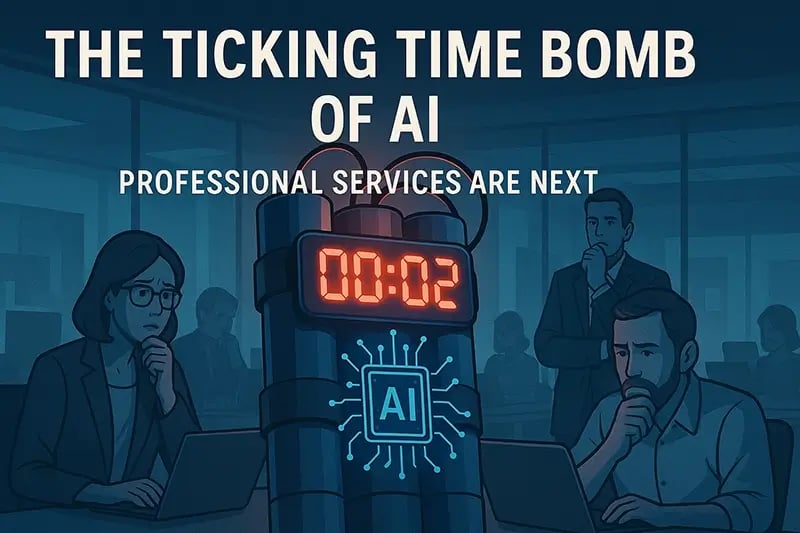
Tech’s Ticking Time Bomb: Are We Ready?
Introduction
Ever felt like technology is moving too fast? Like you’re on a rollercoaster that keeps accelerating with no brakes in sight? You’re not alone. We’re living in an age of unprecedented technological advancement, a period brimming with potential but also laced with unforeseen challenges. Behind the shiny gadgets and groundbreaking innovations, a “ticking time bomb” is quietly counting down – and it’s time we acknowledge it.
Explanation of the Problem
But what exactly is this “ticking time bomb”? It’s not a single issue, but rather a complex web of interconnected problems stemming from our rapid technological evolution. It’s the looming skills gap, the ethical quagmire of AI, the environmental impact of e-waste, and the widening digital divide. These aren’t just futuristic anxieties; they’re very real issues impacting us today, and their effects will only intensify if left unaddressed.
So, buckle up. We’re diving deep into the heart of this technological dilemma, exploring its short-term and long-term implications, and, most importantly, figuring out how we can disarm this ticking time bomb before it’s too late.
The Short-Term Shockwaves: Immediate Impacts We Can’t Ignore
In the here and now, the consequences of ignoring this tech-driven challenge are already becoming apparent.
- The Skills Gap: We’re creating jobs faster than we can fill them. Cybersecurity experts are in incredibly high demand, AI engineers are being headhunted relentlessly, and even roles requiring basic digital literacy are going unfilled. This shortage isn’t just an inconvenience; it’s slowing down innovation, impacting productivity, and hindering economic growth. Imagine a hospital struggling because it doesn’t have enough trained staff to operate essential medical equipment, or a manufacturing plant losing efficiency because nobody can program the robots. That’s the reality we’re facing in many sectors.
- Ethical AI Dilemmas: Artificial intelligence is no longer a sci-fi fantasy. It’s powering everything from our social media feeds to our loan applications. But who’s ensuring that these algorithms are fair and unbiased? We’ve already seen examples of AI systems perpetuating harmful stereotypes in recruitment, criminal justice, and even healthcare. The short-term impact? Systemic biases are amplified, leading to unfair or discriminatory outcomes for individuals and communities.
- The E-Waste Avalanche: Our insatiable appetite for the latest gadgets is creating a mountain of electronic waste. Toxic chemicals leach into our soil and water, polluting the environment and endangering public health. While recycling programs exist, they’re often inadequate, and much of our e-waste ends up in developing countries, where it’s processed under hazardous conditions. In the short term, this creates immediate health risks for vulnerable populations and contributes to environmental degradation.
The Long Game: Future Scenarios We Need to Prepare For
While the short-term impacts are concerning, the long-term implications of neglecting these issues are even more daunting.
- Technological Unemployment: As automation and AI become more sophisticated, many jobs traditionally held by humans will likely be displaced. While some argue that new jobs will emerge to replace them, the transition won’t be seamless. Without proactive measures, we could see a significant increase in unemployment and social inequality, leading to societal unrest and economic instability.
- AI Overreach and Autonomous Weapons: The ethical dilemmas surrounding AI become even more critical in the long term. As AI systems become more autonomous, who’s responsible when things go wrong? And what happens when AI is used to develop autonomous weapons systems? The potential for misuse and unintended consequences is terrifying. We need to establish clear ethical guidelines and regulations now to prevent a future where AI runs amok.
- The Widening Digital Divide: The digital divide – the gap between those who have access to technology and those who don’t – is already a significant problem. But in the long term, it could exacerbate existing inequalities. As more and more essential services move online, those without access to the internet or digital skills will be increasingly marginalized. This isn’t just about access to Netflix; it’s about access to education, healthcare, and economic opportunity.
Solutions
So, what can we do? The good news is that we’re not powerless. By taking proactive steps, we can mitigate the risks and harness the power of technology for good. Here are some practical solutions:
- Invest in Education and Skills Development:
- Focus on STEM Education: We need to encourage more students to pursue careers in science, technology, engineering, and mathematics. This requires investing in STEM programs in schools and universities, providing scholarships, and creating mentorship opportunities.
- Upskilling and Reskilling Initiatives: Governments and businesses need to invest in programs that help workers adapt to the changing demands of the job market. This could include offering online courses, apprenticeships, and on-the-job training.
- Lifelong Learning: Emphasize the importance of continuous learning and provide resources for individuals to update their skills throughout their careers.
- Example: Germany’s “Kurzarbeit” (short-time work) program, which provides government subsidies to companies that reduce employee hours instead of laying them off, allowing workers to retain their jobs and skills during economic downturns.
- Establish Ethical AI Frameworks:
- Develop Clear Guidelines: We need to establish clear ethical guidelines for the development and deployment of AI systems. These guidelines should address issues such as bias, transparency, accountability, and privacy.
- Promote Algorithmic Auditing: Independent auditors should regularly review AI systems to ensure they’re fair and unbiased.
- Encourage Responsible Innovation: Companies developing AI technologies should prioritize ethical considerations and be transparent about their decision-making processes.
- Example: The European Union’s AI Act is a proposed regulation that aims to establish a legal framework for AI in Europe, focusing on risk-based regulation and ethical considerations.
- Promote Sustainable Technology Practices:
- Implement Extended Producer Responsibility (EPR) Programs: Manufacturers should be responsible for the entire lifecycle of their products, including collection, recycling, and safe disposal.
- Design for Durability and Repairability: Encourage manufacturers to design products that are durable, repairable, and easy to recycle.
- Invest in E-Waste Recycling Infrastructure: Governments and businesses need to invest in infrastructure to safely and efficiently recycle electronic waste.
- Example: The Basel Convention on the Control of Transboundary Movements of Hazardous Wastes and Their Disposal aims to regulate the international movement of hazardous waste, including e-waste, to ensure it is managed in an environmentally sound manner.
- Bridge the Digital Divide:
- Expand Broadband Access: Governments should invest in infrastructure to expand broadband access to underserved communities.
- Provide Affordable Devices and Internet Plans: Offer subsidies or low-cost options to make devices and internet access more affordable for low-income individuals.
- Offer Digital Literacy Training: Provide training programs to help individuals develop the digital skills they need to participate in the digital economy.
- Example: Government-funded programs that provide internet access and digital literacy training to low-income families, empowering them to access education, healthcare, and employment opportunities.
Alternative Approaches and Tailored Solutions
Recognizing that one size doesn’t fit all, here are a few alternative approaches:
- Embrace a “Human-Centered” Approach to Technology: Prioritize the needs and well-being of people when designing and deploying new technologies. Focus on how technology can augment human capabilities rather than replace them entirely.
- Promote Collaborative Innovation: Encourage collaboration between researchers, businesses, policymakers, and civil society organizations to develop solutions that address the ethical and social challenges of technology.
- Foster a Culture of Responsible Technology Use: Educate individuals and organizations about the responsible use of technology, including data privacy, cybersecurity, and critical thinking skills.
Conclusion
The “ticking time bomb” of technology may seem daunting, but it’s not an insurmountable challenge. By acknowledging the risks, taking proactive steps, and embracing a collaborative approach, we can shape a future where technology benefits all of humanity. The time for complacency is over. It’s time to act. It’s time to educate ourselves, to advocate for responsible policies, and to demand ethical practices from the tech industry. Let’s turn this anxiety into empowerment and build a tech-forward future that is sustainable, equitable, and beneficial for everyone.
So, are we ready? We have to be. The future depends on it.