

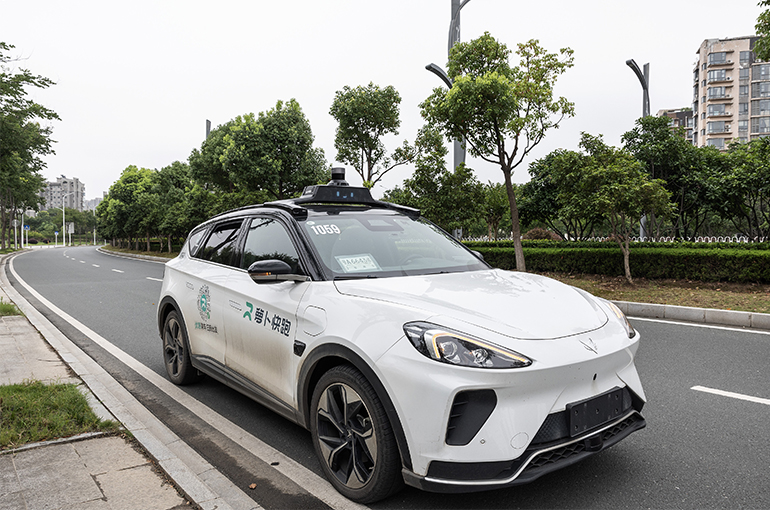
Super Cheap Robotaxi from China: A Game-Changer in Urban Mobility
China’s burgeoning technology sector has introduced a revolutionary concept in urban transportation: the super cheap robotaxi. This innovation promises to redefine the way people commute, offering an affordable, efficient, and eco-friendly alternative to traditional taxis and ride-sharing services.
The idea of autonomous vehicles has been gaining traction worldwide, but China is at the forefront of making this technology accessible and affordable. The super cheap robotaxi initiative is spearheaded by several Chinese tech giants and automotive companies, aiming to provide a cost-effective solution to urban mobility challenges.
Affordable and Accessible
One of the most appealing aspects of the Chinese robotaxi is its affordability. By leveraging advanced technology and economies of scale, these autonomous taxis can offer rides at a fraction of the cost of traditional taxis. This makes them accessible to a broader population, potentially transforming the daily commute for millions of urban dwellers.
Cutting-Edge Technology
The robotaxi utilizes state-of-the-art technology to ensure safe and efficient operation. Equipped with advanced sensors, artificial intelligence, and machine learning algorithms, these vehicles can navigate complex urban environments with precision. They are capable of real-time decision-making, adapting to traffic conditions, and ensuring passenger safety.
Eco-Friendly Solution
In addition to being affordable, the robotaxi is also designed with sustainability in mind. Many of these autonomous vehicles are electric, contributing to reduced emissions and promoting a cleaner environment. This aligns with global efforts to combat climate change and reduce the carbon footprint of urban transportation.
Enhancing Urban Mobility
The introduction of super cheap robotaxis is expected to significantly enhance urban mobility. With lower costs, more people can afford to use these services, reducing the reliance on private cars and easing traffic congestion. Furthermore, the convenience of on-demand transportation can improve accessibility for those in underserved areas, enhancing overall connectivity in cities.
Pilot Programs and Expansion
Several Chinese cities have already launched pilot programs to test and refine the robotaxi services. Early reports indicate positive feedback from users, who appreciate the convenience, cost savings, and innovative experience. As these pilot programs continue to succeed, there are plans for wider deployment across the country and potentially beyond.
Challenges and Future Prospects
Despite the promising outlook, the robotaxi industry faces several challenges. Ensuring the safety and reliability of autonomous vehicles remains a top priority, requiring ongoing advancements in technology and rigorous testing. Additionally, regulatory frameworks need to be established to govern the operation of robotaxis and address concerns related to liability and insurance.
However, the potential benefits of super cheap robotaxis far outweigh the challenges. As technology continues to evolve and mature, these autonomous vehicles are poised to become a staple of urban transportation, offering a glimpse into the future of mobility.
China’s super cheap robotaxi represents a significant leap forward in urban transportation. By combining affordability, advanced technology, and eco-friendliness, these autonomous taxis have the potential to revolutionize the way people move around cities. As pilot programs expand and the technology becomes more refined, the world may soon witness a new era of efficient, accessible, and sustainable urban mobility.