

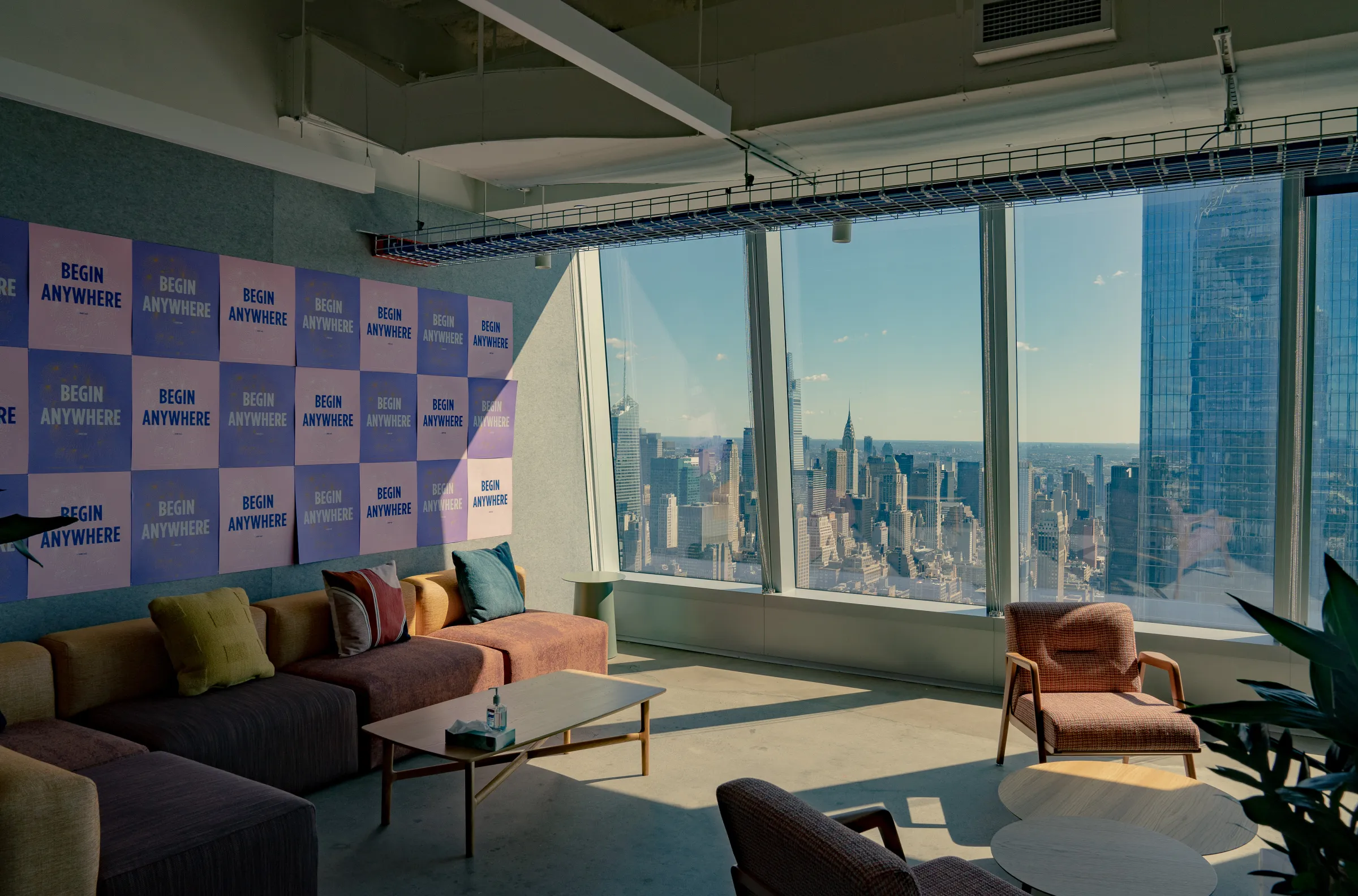
Work from Home Could Lead to More Homes in Vacant Offices
The COVID-19 pandemic has significantly reshaped the way people work, with remote work becoming the norm for many. As businesses continue to embrace flexible working arrangements, a new trend is emerging: the conversion of vacant office spaces into residential homes. This shift has the potential to revitalize urban areas, address housing shortages, and redefine city landscapes.
The pandemic forced many companies to adopt remote work policies to ensure business continuity and employee safety. This transition proved successful for numerous organizations, leading to a lasting change in work culture. According to a survey by McKinsey, 52% of employees now prefer a hybrid work model, splitting their time between home and the office.
Vacant Office Spaces
With the shift to remote work, many office buildings in urban centers have seen reduced occupancy rates. Companies are downsizing their office spaces, opting for smaller, more flexible work environments. This trend has left large office buildings underutilized or completely vacant, creating an opportunity for transformation.
Converting Offices to Homes
Real estate developers and city planners are increasingly exploring the conversion of vacant office spaces into residential units. This concept, known as adaptive reuse, involves repurposing existing structures to serve a new function. Converting offices to homes can address several critical issues:
- Housing Shortage: Many cities face a significant shortage of affordable housing. Repurposing office buildings can provide much-needed residential units, helping to alleviate housing crises.
- Urban Revitalization: Vacant buildings can become eyesores and contribute to urban decay. Converting them into homes can breathe new life into downtown areas, attracting residents and businesses alike.
- Sustainability: Adaptive reuse is an environmentally friendly approach, reducing the need for new construction and minimizing waste. Reusing existing structures can also lower the carbon footprint associated with building materials and construction processes.
Challenges and Considerations
While converting office spaces to homes presents numerous benefits, it also comes with challenges. These include zoning regulations, building codes, and the structural differences between office and residential spaces. Developers must navigate these hurdles to ensure successful conversions.
Case Studies and Success Stories
Several cities have already embraced this trend, showcasing successful conversions of office buildings into residential units:
- New York City: In Manhattan, several office buildings have been transformed into luxury apartments and affordable housing units. These projects have revitalized neighborhoods and increased the city’s housing stock.
- London: The UK capital has seen a rise in office-to-residential conversions, particularly in areas with high office vacancy rates. These conversions have helped address London’s housing shortage and repopulate urban areas.
- San Francisco: Known for its tech industry and high housing demand, San Francisco has also explored adaptive reuse. Office buildings in the city’s financial district have been converted into residential units, providing housing options for residents and tech workers alike.
Future Outlook
As remote work continues to shape the future of work, the trend of converting vacant office spaces into homes is likely to gain momentum. Cities and developers must collaborate to overcome regulatory and logistical challenges, ensuring that these conversions meet the needs of residents and contribute to urban revitalization.
The shift towards remote work has created a unique opportunity to repurpose vacant office spaces into residential homes. This trend can address housing shortages, revitalize urban areas, and promote sustainability. As cities adapt to changing work patterns, the conversion of office buildings into homes may become a defining feature of the post-pandemic urban landscape.