

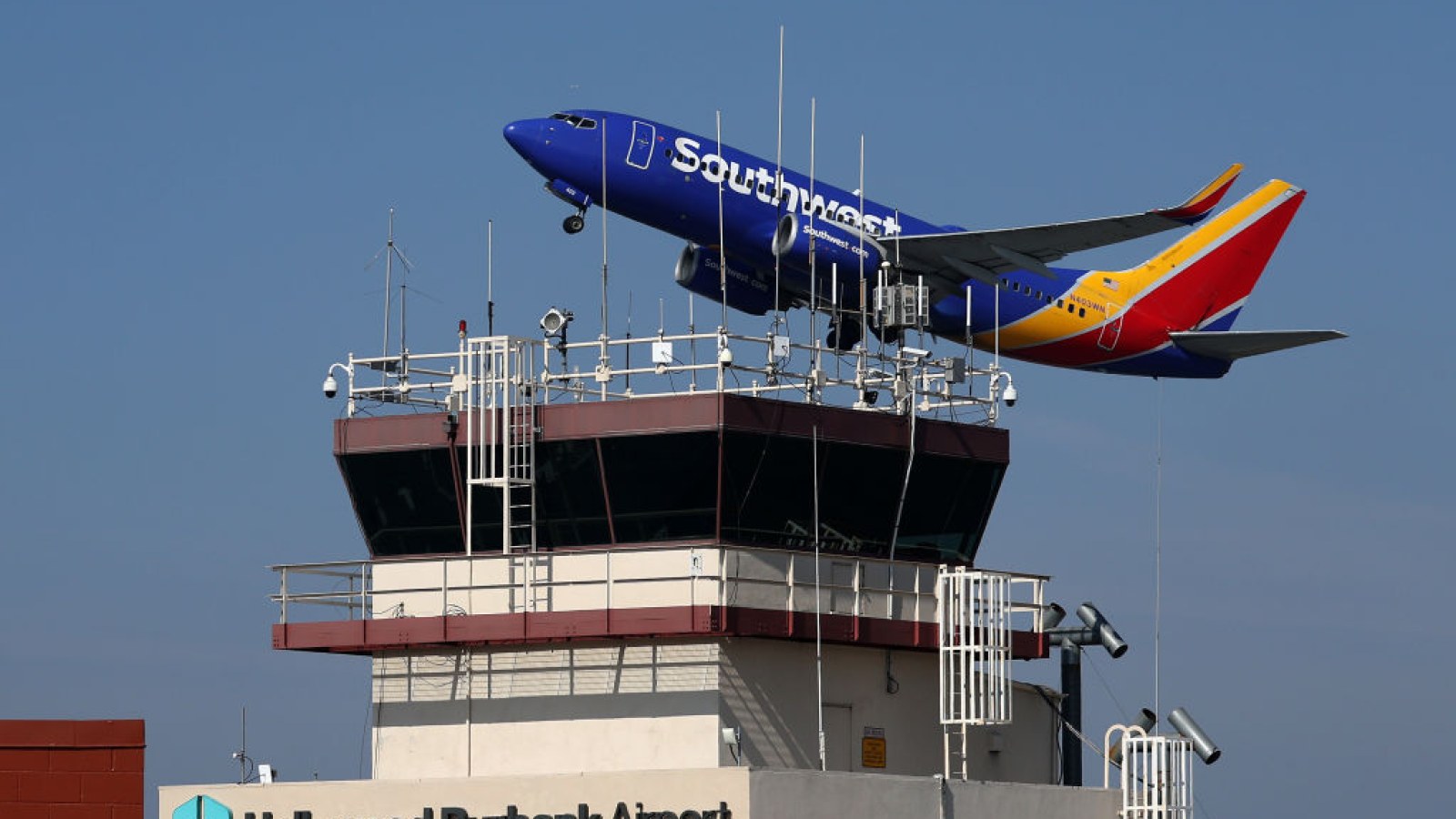
Southwest Airlines, one of the largest and most recognized low-cost carriers in the United States, is currently embroiled in a legal battle with the Southwest Airlines Pilots Association (SWAPA). The pilots’ union has filed a lawsuit against the airline, alleging that management issued threats aimed at pilots who engaged in collective bargaining efforts. This lawsuit has raised concerns about labor relations and the rights of employees in the aviation industry.
Background of the Dispute
The legal dispute comes at a time of heightened tension between Southwest Airlines and its pilots, who have been advocating for improved working conditions, compensation, and job security. The pilots’ union claims that the airline’s management has resorted to intimidation tactics, threatening to take adverse actions against pilots who participate in union activities or express dissent regarding management decisions.
In a statement released by SWAPA, the union emphasized the importance of protecting pilots’ rights to engage in collective bargaining and advocate for their interests without fear of retaliation. The lawsuit seeks to hold Southwest Airlines accountable for what the union describes as an infringement on labor rights and a violation of federal labor laws.
Allegations in the Lawsuit
The lawsuit, filed in the U.S. District Court, outlines several key allegations against Southwest Airlines:
- Intimidation and Retaliation: The union claims that management has threatened pilots with disciplinary action, including termination, if they participate in union activities or support collective bargaining efforts.
- Unfair Labor Practices: SWAPA alleges that the airline has engaged in unfair labor practices by failing to negotiate in good faith and retaliating against pilots who advocate for better working conditions.
- Chilling Effect: The union argues that these threats have created a chilling effect on pilots, discouraging them from voicing their concerns and participating in union activities, ultimately undermining their collective bargaining rights.
Industry Implications
This lawsuit could have significant implications not only for Southwest Airlines but also for the broader aviation industry. Labor relations in the airline sector have been increasingly contentious, especially as airlines navigate the challenges posed by the COVID-19 pandemic, which has led to workforce reductions, schedule changes, and evolving demands from employees.
The outcome of this case may set a precedent for how airlines handle labor relations and could influence the dynamics between management and pilots across the industry. If the court rules in favor of the pilots’ union, it could bolster the rights of airline employees to organize and negotiate without fear of retaliation.
Southwest Airlines’ Response
In response to the lawsuit, Southwest Airlines has expressed its commitment to maintaining open lines of communication with its pilots and upholding a positive work environment. The airline has stated that it will vigorously defend against the allegations made by the pilots’ union, emphasizing its dedication to fair labor practices.
Southwest has also indicated that it remains focused on reaching a new contract with its pilots and is committed to resolving disputes through dialogue and negotiation. The airline’s management has reiterated its belief in the importance of a collaborative relationship with its workforce.
Conclusion
The legal battle between Southwest Airlines and the Southwest Airlines Pilots Association underscores the complexities of labor relations in the aviation industry. As the lawsuit unfolds, it will be crucial to monitor its implications for the rights of airline employees and the practices of management in the face of collective bargaining efforts.
For pilots and other airline employees, the outcome of this case could significantly impact their ability to advocate for their rights and interests. As tensions continue to mount, both parties will need to navigate this dispute carefully, balancing the need for operational efficiency with the rights of employees to organize and negotiate. The resolution of this lawsuit could ultimately shape the future of labor relations in the airline industry, influencing how companies approach their relationships with their workforce.