

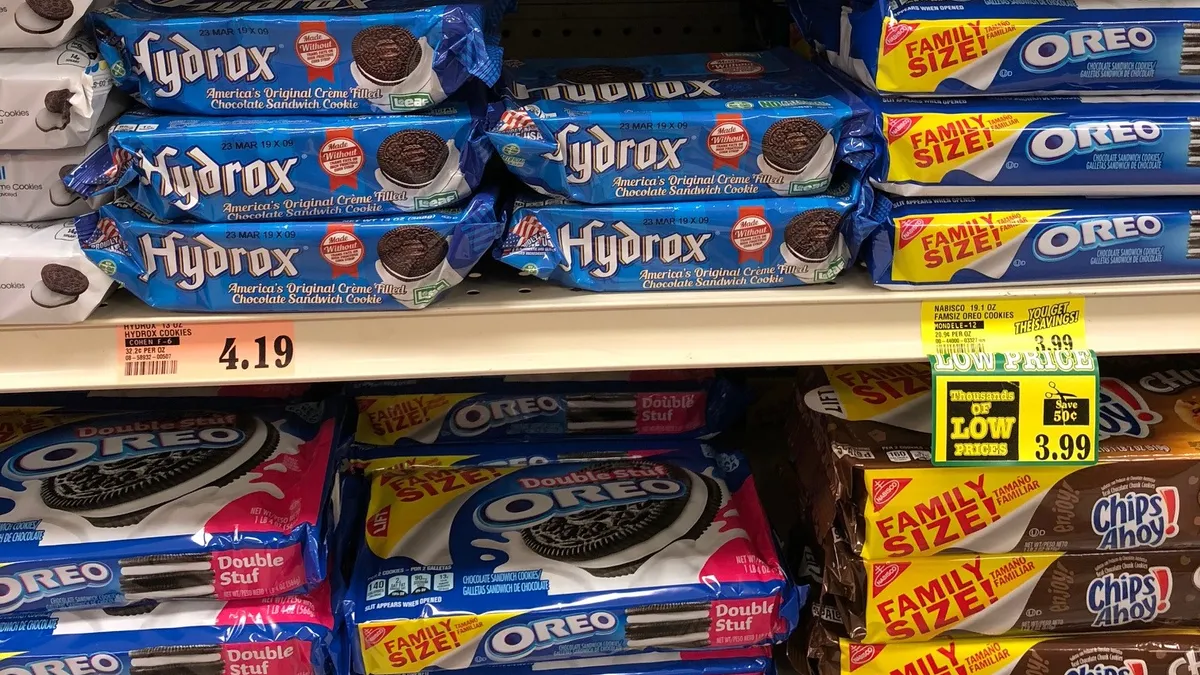
Snacks Are Getting Cheaper as Americans Tire of High Prices
In a welcome shift for consumers, snack prices are beginning to decline as Americans grow weary of the high costs that have characterized the past few years. This trend signals relief for snack lovers who have felt the pinch of rising food prices amid economic pressures.
Over the past several years, the cost of snacks has risen significantly due to a combination of factors. Supply chain disruptions, increased production costs, and inflation have all contributed to the higher prices. As a result, consumers have faced sticker shock when purchasing their favorite treats, from chips and cookies to healthier options like nuts and dried fruits.
However, the persistent rise in prices has led to a noticeable change in consumer behavior. Many Americans have started to cut back on discretionary spending, including on snacks, opting instead for more budget-friendly alternatives or even making their own at home. This shift in demand has prompted snack manufacturers and retailers to reconsider their pricing strategies.
Market Adjustments
In response to declining sales and consumer pushback, snack companies are taking steps to make their products more affordable. Promotional campaigns, discounts, and more competitively priced product lines are becoming increasingly common. Retailers, too, are adjusting their approaches, offering more sales and loyalty programs to attract cost-conscious shoppers.
For instance, major brands like Frito-Lay and Kellogg’s have introduced smaller package sizes at lower prices, allowing consumers to enjoy their favorite snacks without breaking the bank. Additionally, private label or store-brand snacks are gaining popularity as they often offer similar quality at a fraction of the cost of name-brand products.
Economic Factors at Play
Several economic factors are contributing to the easing of snack prices. Improved supply chain efficiencies and stabilization in raw material costs have helped reduce production expenses. Moreover, as the global economy shows signs of recovery, some of the inflationary pressures are beginning to subside, further alleviating the cost burden on manufacturers.
Analysts also point to increased competition in the snack market as a driving force behind the price reductions. With numerous brands vying for consumer attention, companies are more inclined to offer attractive pricing to maintain or grow their market share.
Consumer Benefits
The reduction in snack prices is a boon for consumers who have been grappling with overall higher living costs. Affordable snacks mean more flexibility in household budgets, allowing families to enjoy their favorite treats without feeling financially strained. This change is particularly beneficial for those with children, who often have snacks as a staple in their daily diet.
Moreover, the trend towards cheaper snacks aligns with the broader movement towards more cost-effective and sustainable living. Consumers are increasingly seeking value for money, and lower snack prices fit well within this paradigm, enabling healthier financial choices without sacrificing enjoyment.
While the current trend is promising, it remains to be seen how sustainable the lower snack prices will be in the long term. Economic uncertainties, potential supply chain disruptions, and fluctuations in raw material costs could impact pricing strategies in the future. However, for now, consumers can savor the moment and indulge in their favorite snacks without feeling the pinch as much as they did in the recent past.
In conclusion, the decline in snack prices marks a positive development for American consumers. As manufacturers and retailers respond to changing market dynamics and consumer preferences, the era of high snack prices seems to be waning. This shift not only brings relief to snack enthusiasts but also underscores the importance of adaptable pricing strategies in a competitive market.