

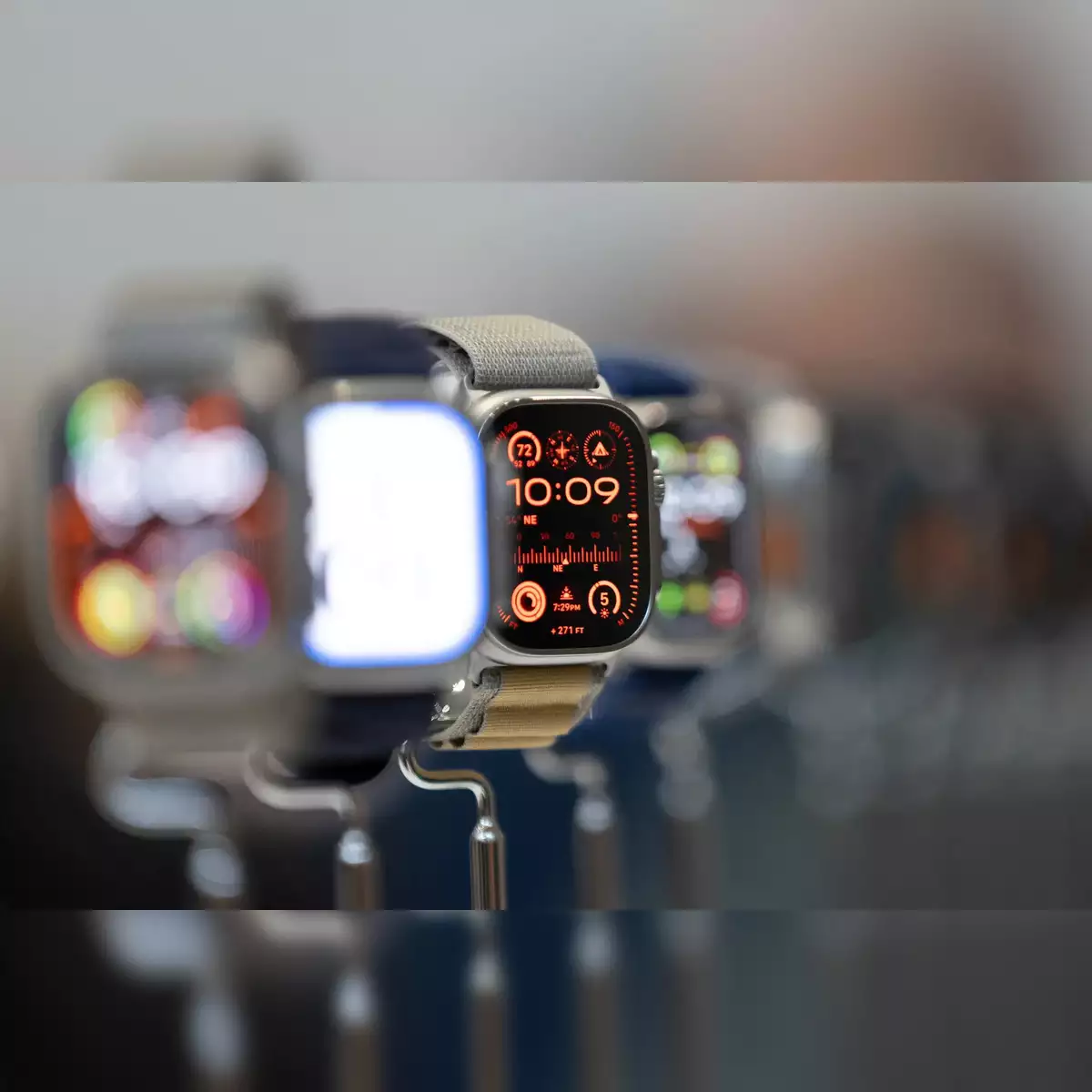
Apple has emerged victorious in a high-stakes patent lawsuit, with a U.S. jury ruling in favor of the tech giant over medical technology company Masimo in a dispute centered on smartwatch technology. The California jury awarded Apple $250 million in damages, determining that Apple did not infringe upon Masimo’s patents related to health-monitoring features in smartwatches, particularly those involving blood oxygen measurement and other biometrics.
The Background of the Dispute
The legal battle between Apple and Masimo dates back to 2020, when Masimo initially filed suit, claiming that Apple had copied its patented health-monitoring technology in its Apple Watch lineup. Masimo, a leading developer of non-invasive monitoring technologies, alleged that Apple used proprietary technology for measuring blood oxygen levels, a feature included in recent Apple Watch models. According to Masimo, Apple’s health-focused watches infringed upon patents that Masimo had developed and held for years, specifically in non-invasive methods for measuring physiological data.
The case brought into question several technical aspects of Apple’s smartwatch health features, which have been pivotal in marketing the device as a health and fitness tool. Apple contended that its technology was independently developed and did not rely on Masimo’s patented innovations.
Key Points of the Verdict
After hearing arguments from both sides, the jury ultimately sided with Apple, finding that the company did not infringe on Masimo’s intellectual property. Apple argued that it has been developing its own health-monitoring features independently for years, using a unique combination of hardware and software that differs from Masimo’s approach. The jury’s decision effectively dismissed Masimo’s claims of patent infringement, awarding Apple a significant victory and rejecting Masimo’s request for compensation.
The $250 million damages award, a notable sum in intellectual property cases, reflects the jury’s assessment of Masimo’s potential losses and the high value associated with advanced health-monitoring technologies.
Implications for Apple’s Health Initiatives
Apple’s success in this case could serve as a crucial win for its health-focused innovations within the Apple Watch. The wearable device market has seen rapid growth, and Apple has increasingly positioned its products as health and wellness tools, integrating features like ECG, heart rate monitoring, and blood oxygen measurement. By securing a legal victory over Masimo, Apple maintains a strong position to continue developing health-focused features without the threat of this particular legal challenge.
Moreover, the verdict may embolden Apple to invest further in medical technology, a space that is both highly competitive and heavily regulated. The health-monitoring capabilities of smartwatches are a key differentiator in an industry where consumers are looking for devices that can seamlessly blend technology with proactive health care.
Masimo’s Response and Possible Next Steps
Following the verdict, Masimo expressed disappointment in the jury’s decision, maintaining that Apple had, in fact, utilized its patented technology. Masimo hinted at a potential appeal, stating that it remains committed to defending its intellectual property and protecting the investments it has made in health-monitoring technology.
The company has noted that its innovations play a critical role in non-invasive health monitoring, particularly in medical settings where accuracy and reliability are paramount. A potential appeal would mean continued legal proceedings, possibly prolonging the dispute and keeping both companies’ legal teams engaged.
Broader Implications for Tech and Medical Device Industries
This case highlights the growing overlap between the tech and medical device industries, especially as more companies venture into health-monitoring technology. Smartwatches and fitness trackers are now equipped with advanced sensors and software, and the legal landscape for patent ownership in this space is becoming increasingly complex. As companies like Apple incorporate more health-related features into consumer devices, patent disputes over wearable health technology may become more common.
For the medical technology industry, the case also illustrates the challenges of enforcing patents against consumer tech giants, whose reach and resources allow them to pursue independent development efforts. Startups and specialized firms may face similar battles as they seek to protect proprietary technologies against larger players entering the health-tech market.
What’s Next?
While Apple’s legal team celebrates this verdict, the case’s broader impact on the wearables market and tech innovation remains to be seen. The possibility of an appeal from Masimo could draw out the dispute, adding uncertainty to Apple’s legal victory. However, for now, the jury’s decision stands as a major endorsement of Apple’s claim to independent innovation in health monitoring, potentially strengthening its position as a leader in the intersection of consumer technology and personal health.
As competition heats up in the wearable health-tech market, other tech companies will likely take note of Apple’s win and the associated challenges of navigating intellectual property rights in a rapidly evolving space.