

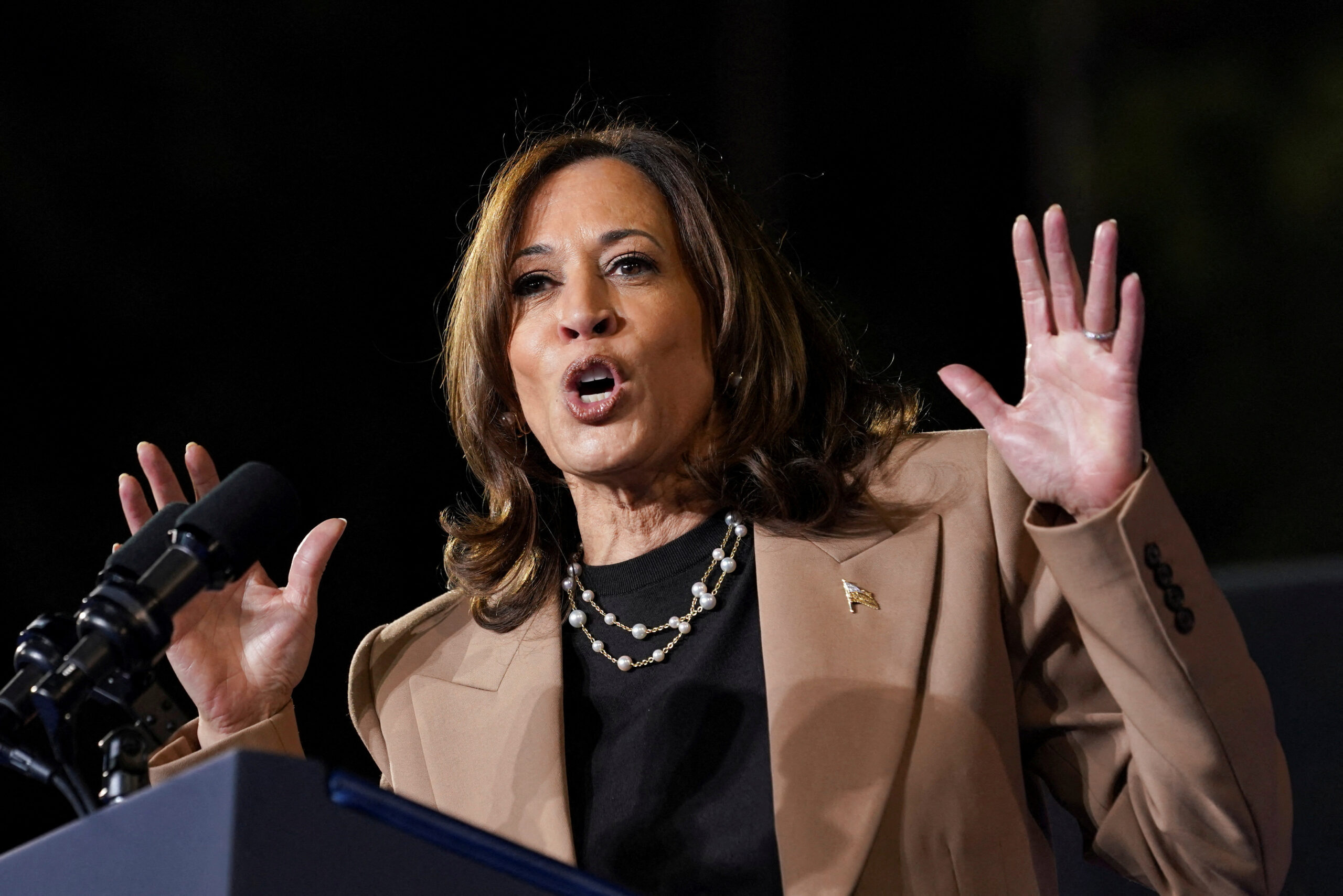
In a troubling cybersecurity incident, sources reveal that Chinese hackers targeted mobile devices affiliated with Vice President Kamala Harris’s 2024 campaign. The hacking attempt, reportedly aimed at phones used by senior campaign staff, marks a sophisticated effort to breach sensitive information within U.S. political circles. This development underscores ongoing concerns over foreign interference in U.S. elections, as well as the increasingly sophisticated methods employed by state-sponsored hackers to exploit vulnerabilities in political organizations.
The Attack and Targeted Devices
According to sources familiar with the incident, the hackers specifically focused on phones used by key campaign members, aiming to infiltrate the devices to gather private communications, sensitive strategy documents, and potentially confidential data on campaign operations. While no campaign officials have confirmed the exact nature of the attack, cybersecurity experts suggest that this kind of targeted breach usually involves phishing, malware installation, or exploiting security vulnerabilities in mobile operating systems.
The attack, sources claim, was likely carried out by a group linked to the Chinese government, although the motivations behind the attack remain speculative. Similar breaches in recent years have been driven by state-backed interests, aiming to gain strategic intelligence on campaign operations or influence political outcomes indirectly. As the 2024 election season ramps up, cybersecurity experts warn that such attacks may increase in both frequency and complexity.
China’s Involvement and Strategic Aims
China’s alleged involvement in the hack is part of a broader trend of state-sponsored cyber espionage targeting political, economic, and infrastructure entities in the U.S. Chinese hackers have previously targeted other high-profile political figures, government agencies, and companies to collect information that could grant the Chinese government an advantage in negotiations or global intelligence efforts. While Beijing has consistently denied involvement in such attacks, cybersecurity firms have traced numerous recent breaches to hacker groups with known Chinese affiliations, often focusing on technology, defense, and political campaigns.
In this instance, it is believed that the hackers were interested in gaining insight into Harris’s campaign strategy, particularly regarding policy positions on China, the Indo-Pacific region, and issues like trade and human rights that impact U.S.-China relations. The information could be used to gauge how an administration led by Harris might interact with China and which policies it may favor or oppose.
The Growing Threat of Mobile Device Hacking
Targeting mobile devices has become a preferred method among hackers due to the vast amount of sensitive information stored on personal devices, particularly among campaign staff and senior officials who use these devices for communication and strategic planning. Mobile phones have multiple entry points for hackers, including unpatched software vulnerabilities, third-party apps, and phishing links delivered through text messages, emails, or social media platforms. Once inside a device, attackers can monitor calls, track locations, intercept messages, and access secure accounts or databases.
For hackers aiming to infiltrate U.S. campaigns, mobile devices are especially valuable because they are often less secure than traditional computing systems. Cybersecurity experts warn that the mobile device ecosystem is particularly vulnerable to hacking attempts, especially as personal phones are used for both professional and private communications, making it difficult to maintain stringent security practices across all functions.
Campaigns React to Cybersecurity Concerns
Following reports of the attack, Harris’s campaign and other campaigns in the 2024 election cycle have taken steps to strengthen their digital security practices. Campaigns are now seeking partnerships with cybersecurity firms to implement advanced protective measures, such as multi-factor authentication, encrypted messaging, and endpoint protection solutions for devices.
Political campaigns have become increasingly aware of cyber threats since the 2016 election, which saw multiple hacking attempts targeting the Democratic National Committee. Since then, both major political parties have adopted stricter cybersecurity protocols to prevent such attacks, but challenges remain in securing mobile devices, which are particularly susceptible to personal use and user error.
In response to this most recent attack, experts advise campaigns to:
- Regularly Update Software: Ensuring that mobile devices and applications are updated to the latest versions, as these updates often contain critical security patches.
- Implement Multi-Factor Authentication (MFA): MFA adds an extra layer of security by requiring multiple forms of verification, making it harder for hackers to gain access to sensitive accounts.
- Train Staff on Phishing Awareness: Educating staff on how to recognize and report phishing attempts is crucial, as phishing remains one of the most common methods for breaching security.
- Encourage Secure Communication Tools: Using encrypted messaging apps and secure communication channels can help protect sensitive information shared among campaign staff.
Broader Implications for U.S.-China Relations
This incident is likely to add further strain to already tense U.S.-China relations, particularly as both nations grapple with issues ranging from trade policies to cybersecurity and human rights. The U.S. has consistently expressed concerns over China’s involvement in cyber espionage and election interference, citing previous incidents that have compromised sensitive information across various sectors.
In recent months, the Biden administration has taken steps to bolster the U.S.’s cyber defenses by allocating more resources to the Cybersecurity and Infrastructure Security Agency (CISA) and implementing guidelines to protect critical infrastructure and political entities from cyber threats. Additionally, bipartisan legislative efforts continue to call for more stringent cybersecurity standards for election campaigns and government entities alike.
Conclusion
As political campaigns ramp up efforts to secure their digital infrastructure, the recent targeting of devices affiliated with the Harris campaign highlights the growing cybersecurity threats facing modern elections. Chinese hackers’ alleged involvement adds a layer of geopolitical complexity, emphasizing the need for vigilant cybersecurity practices and cooperation between political campaigns, government agencies, and cybersecurity professionals.
This incident serves as a reminder of the vital role cybersecurity plays in ensuring the integrity of the democratic process, and it reflects the shifting landscape of political competition in a digital age. With the stakes higher than ever, political campaigns will need to prioritize robust digital defenses to stay ahead of state-sponsored actors seeking to influence, disrupt, or gain intelligence on U.S. political affairs.