

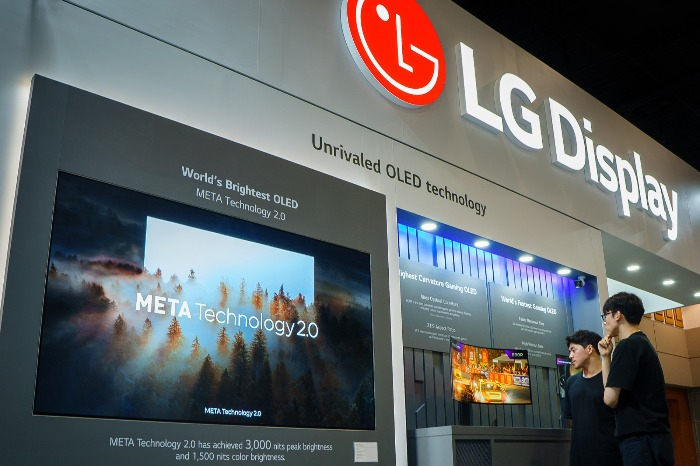
In a significant move to reshape its business strategy, LG Display has announced the sale of its liquid crystal display (LCD) manufacturing plant in Guangzhou, China, for approximately $1.5 billion. The deal, which is expected to finalize in the coming months, marks a pivotal moment for the South Korean company as it shifts its focus from traditional LCD technology to more advanced display technologies, including organic light-emitting diodes (OLED).
A Strategic Shift in Focus
LG Display has been a leader in the display industry, known for its high-quality LCD panels used in televisions, monitors, and other devices. However, with the global market for LCDs becoming increasingly competitive and profit margins shrinking due to oversupply, the company has been under pressure to pivot towards more innovative and profitable technologies. The sale of the Guangzhou plant is part of LG Display’s broader strategy to streamline operations and invest in next-generation display solutions, particularly OLED technology, which has gained significant traction in the premium television market.
In recent years, LG Display has made substantial investments in OLED production, recognizing the technology’s potential for delivering superior picture quality, energy efficiency, and thinner form factors compared to traditional LCDs. By divesting its LCD plant, LG Display aims to allocate more resources towards enhancing its OLED manufacturing capabilities and expanding its footprint in the growing market for flexible and transparent displays.
Details of the Sale
The agreement to sell the Guangzhou plant comes at a time when LG Display faces intensifying competition from both domestic and international players in the display industry. The plant, which was established in 2014, was intended to bolster LG’s LCD production capacity in response to rising demand in the Chinese market. However, over the past few years, the company has faced challenges due to falling prices and increasing competition from Chinese manufacturers, which has further pressured its profitability.
The sale of the plant to a Chinese investment consortium will enable LG Display to recoup its investments and focus on more promising areas of growth. According to the terms of the deal, LG Display will continue to supply panels to the new owners for a specified period, ensuring a smooth transition and minimizing disruptions to customers.
Implications for the Display Industry
LG Display’s decision to exit the LCD segment reflects broader trends in the display industry, where manufacturers are increasingly focusing on high-value technologies like OLED and mini-LED. The move is expected to have ripple effects across the industry, as competitors reassess their strategies in light of the evolving market dynamics.
As the demand for LCD panels continues to decline, companies may follow LG Display’s lead and shift investments towards more advanced technologies that offer greater differentiation and profitability. This could accelerate the transition to OLED and microLED displays, particularly in consumer electronics such as televisions, smartphones, and tablets.
Future Outlook
Looking ahead, LG Display is committed to solidifying its position as a leader in the OLED market. The company is ramping up production of OLED panels for various applications, including large-format televisions, automotive displays, and wearable devices. With its expertise in OLED technology and ongoing investments in research and development, LG Display aims to capitalize on the growing demand for high-quality displays in an increasingly digital world.
The sale of the Guangzhou plant is expected to strengthen LG Display’s financial position, allowing the company to invest further in innovation and maintain its competitive edge in the global display market. As consumers increasingly seek immersive viewing experiences, the transition to advanced display technologies will be critical for manufacturers looking to thrive in a rapidly changing landscape.
Conclusion
The agreement to sell its Chinese LCD plant for $1.5 billion underscores LG Display’s strategic shift away from traditional display technologies in favor of more lucrative opportunities in OLED and next-generation displays. As the industry evolves, LG Display is positioning itself to lead the charge in innovative display solutions that meet the demands of an ever-growing digital consumer base. The move highlights the broader challenges facing the LCD market and the importance of adapting to changing consumer preferences in the dynamic landscape of the display industry.