

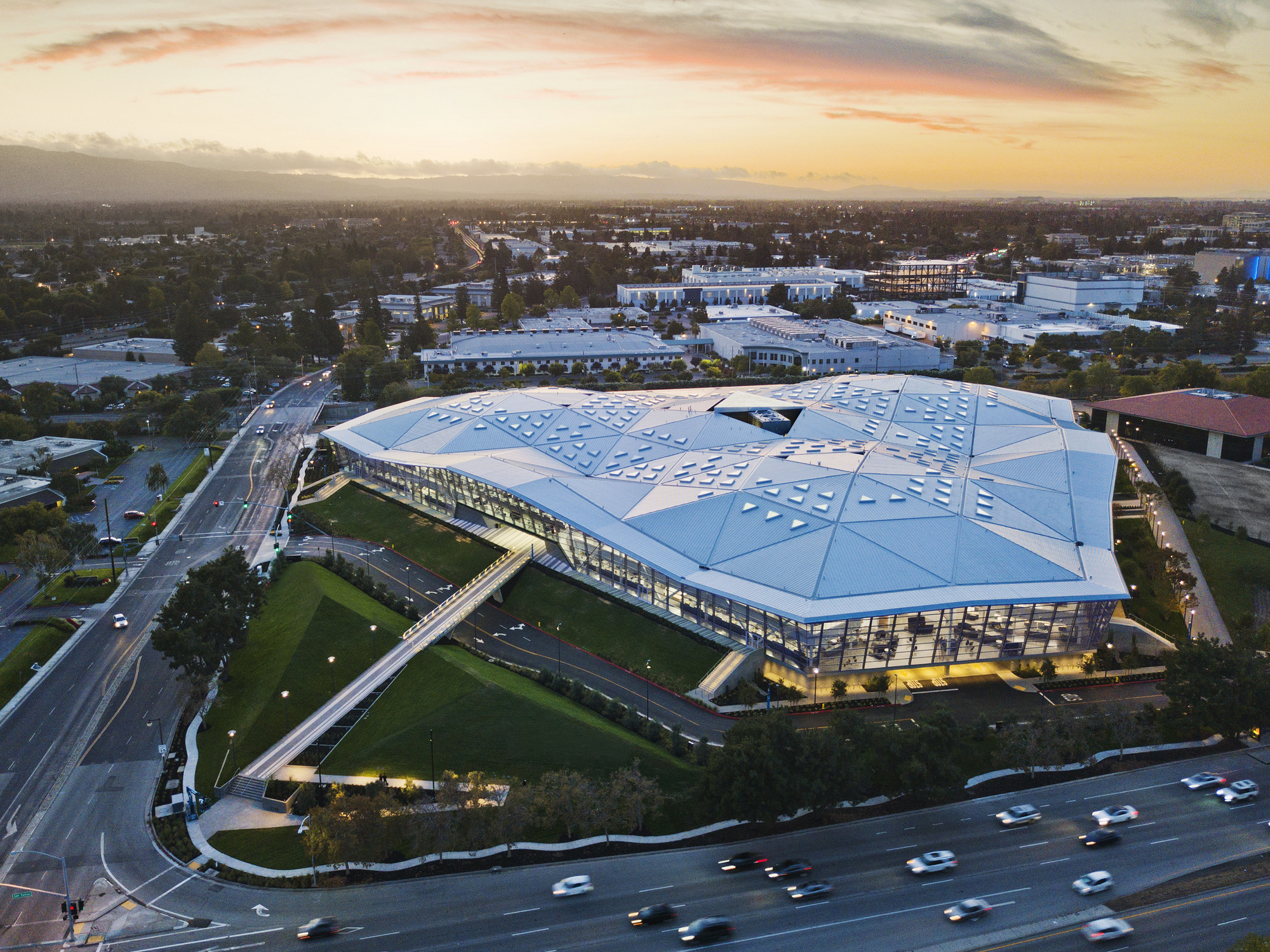
NVDA: Pioneering the Future of Technology
NVIDIA Corporation, often abbreviated as NVDA, has established itself as a powerhouse in the technology industry. Renowned for its cutting-edge graphics processing units (GPUs) and a broad portfolio of artificial intelligence (AI) solutions, NVIDIA is driving innovation across multiple sectors. This article delves into the company’s history, its key products, and its impact on the tech landscape.
A Brief History
In 1993 NVIDIA Founded by Jensen Huang, Chris Malachowsky, and Curtis Priem, focused on developing graphics cards for the burgeoning video game industry. The company’s first breakthrough came with the release of the RIVA TNT in 1998, but it was the launch of the GeForce 256 in 1999 that solidified NVIDIA’s reputation as a leader in graphics technology. The GeForce 256 was the world’s first GPU, a revolutionary product that transformed how graphics were rendered on personal computers.
Key Products and Innovations
1. Graphics Processing Units (GPUs)
NVIDIA’s GeForce series has become synonymous with high-performance gaming. The latest iterations, such as the GeForce RTX 30 series, incorporate real-time ray tracing and AI-powered features, delivering unprecedented realism and performance. Beyond gaming, NVIDIA’s GPUs are essential for professional applications in fields like video editing, 3D rendering, and scientific research.
2. AI and Deep Learning
NVIDIA has expanded its reach far beyond gaming, becoming a pivotal player in AI and deep learning. The company’s CUDA platform, introduced in 2006, allows developers to leverage the parallel processing power of GPUs for complex computational tasks. NVIDIA’s AI hardware, including the Tesla and A100 GPUs, powers data centers, autonomous vehicles, and healthcare applications, facilitating breakthroughs in machine learning and artificial intelligence.
3. Autonomous Vehicles
Combining AI, high-performance computing, and sensor technology, the DRIVE platform enables advanced driver assistance systems (ADAS) and fully autonomous driving. Major automotive manufacturers and startups alike utilize NVIDIA’s technology to push the boundaries of self-driving cars.
4. Data Centers and Cloud Computing
The rise of big data and cloud computing has further cemented NVIDIA’s importance. The company’s GPUs are integral to data centers, where they accelerate workloads for cloud-based services, high-performance computing, and AI applications. NVIDIA’s acquisition of Mellanox Technologies in 2020 bolstered its data center offerings, enhancing networking and interconnect solutions.
5. Omniverse
NVIDIA Omniverse is a groundbreaking platform for 3D simulation and collaboration. Targeted at industries such as entertainment, architecture, and manufacturing, Omniverse allows creators to collaborate in real-time across different software ecosystems. By harnessing the power of AI and RTX rendering, Omniverse is set to revolutionize digital content creation and industrial design.
Market Performance and Financial Health
NVIDIA’s stock (NVDA) has been a stellar performer, reflecting the company’s robust growth and innovation. The demand for GPUs, driven by gaming, AI, and data centers, has resulted in impressive financial results. NVIDIA’s market capitalization has soared, making it one of the most valuable semiconductor companies globally.
Future Prospects
The ongoing advancements in AI, the expansion of 5G networks, and the increasing adoption of cloud computing and autonomous vehicles present significant opportunities. Additionally, NVIDIA’s potential acquisition of Arm Holdings, a leading semiconductor IP company, could further strengthen its position in the industry, providing a wider range of technologies and markets.
NVIDIA (NVDA) is at the forefront of technological advancement, driving innovation across multiple domains. From revolutionizing gaming graphics to pioneering AI and autonomous vehicles, NVIDIA’s impact on the tech industry is profound and far-reaching. As the company continues to push the boundaries of what’s possible, it remains a central figure in shaping the future of technology.