

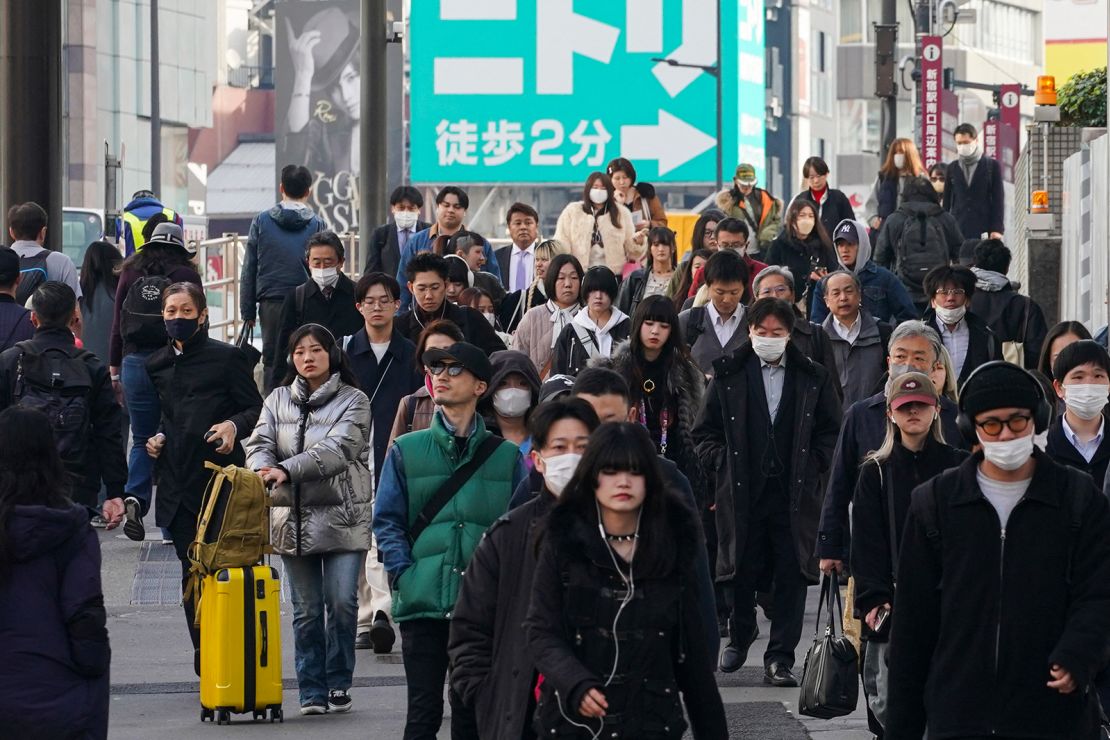
Workers in Japan Can’t Quit Their Jobs. They Hire Resignation Experts to Help
In a country where dedication to one’s job is often seen as a lifelong commitment, the simple act of resigning can be fraught with challenges. In Japan, where societal expectations and corporate loyalty run deep, quitting a job is not always straightforward. This cultural backdrop has given rise to a unique profession: resignation experts.
The Cultural Context of Resignation in Japan
Japan’s work culture is deeply rooted in concepts like gaman (endurance), shūshin koyō (lifetime employment), and kaisha banare (a fear of leaving the company). Employees are often expected to stay with one employer for their entire career, and resigning can be seen as an act of betrayal or failure. The pressure to conform to these norms can make the prospect of quitting a job not only difficult but also emotionally taxing.
For many workers, especially younger employees or those in toxic work environments, the thought of facing their boss to submit a resignation can be daunting. This is where resignation experts, or taishoku daiko services, come in.
The Role of Resignation Experts
Resignation experts are professionals who help individuals navigate the often tricky process of leaving a job. For a fee, these experts handle everything from drafting resignation letters to communicating with employers on behalf of the employee. Their services can also include negotiating final payments and ensuring a smooth transition out of the company.
These experts provide a much-needed buffer for workers who fear confrontation or the stigma associated with quitting. By acting as intermediaries, resignation experts allow employees to avoid uncomfortable conversations and the potential guilt that can come with leaving a job.
Why Workers Turn to Resignation Experts
The demand for resignation experts in Japan has surged in recent years, reflecting broader changes in the country’s workforce. Several factors contribute to this trend:
- Workplace Harassment: Known as power harassment or pawa-hara, workplace bullying by superiors is a significant issue in Japan. Employees subjected to such treatment often feel trapped, fearing retribution or worsening conditions if they attempt to resign. Resignation experts can help these workers escape hostile environments without facing their aggressors directly.
- Mental Health Concerns: Japan has a high rate of work-related stress, and mental health issues are often stigmatized. Employees struggling with burnout or depression may find it too overwhelming to go through the resignation process on their own. Experts provide a way out, offering a lifeline to those who feel they have no other options.
- Cultural Pressures: The pressure to maintain harmony and avoid conflict is deeply ingrained in Japanese society. Many workers worry about how their resignation will affect their colleagues or the company as a whole. Resignation experts can alleviate this burden by handling the departure in a way that minimizes disruption and preserves relationships.
- Younger Generations: As younger Japanese workers increasingly reject the notion of lifetime employment, they seek more flexibility in their careers. However, the traditional expectations still linger, making resignation a difficult task. Resignation experts offer a way for younger employees to assert their independence without facing the full brunt of societal expectations.
The Business of Quitting
Resignation services have become a booming business in Japan. Companies aztec88 slot like Exit and Yameta have capitalized on the demand, offering a range of services that cater to different needs. Prices typically range from ¥30,000 to ¥50,000 (around $200 to $350) depending on the complexity of the case.
The growth of this industry has also sparked conversations about the underlying issues in Japan’s work culture. Some argue that the rise of resignation experts highlights the need for deeper reforms in the workplace, particularly in how employees are treated and the expectations placed on them.
Criticism and Future Implications
While resignation experts provide a valuable service, some critics argue that their existence underscores the problematic nature of Japan’s work culture. They contend that instead of creating a market for quitting, efforts should be focused on making workplaces more supportive and flexible, allowing employees to leave on their own terms without fear of stigma or retribution.
The growing popularity of these services may signal a shift in Japanese society’s approach to work and career. As more people turn to resignation experts, it could prompt broader discussions about the need for cultural and structural changes in the workplace.
Conclusion
In a society where quitting a job can be as challenging as staying in one, resignation experts have emerged as a crucial resource for Japanese workers. They provide a way for employees to navigate the complexities of leaving a job in a culture that often views resignation as a failure. As the demand for these services continues to grow, it may also serve as a catalyst for much-needed change in Japan’s work environment, paving the way for a more flexible and humane approach to employment.