

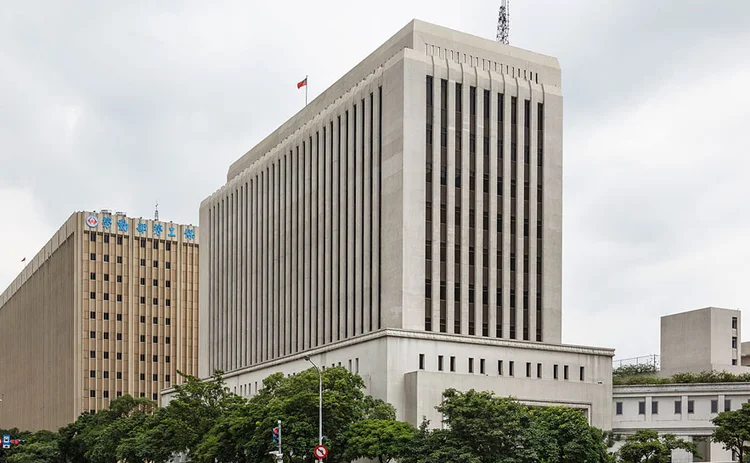
Taiwan Central Bank: No Timetable for Launching Digital Currency
The Central Bank of Taiwan has recently announced that there is no set timetable for the launch of its digital currency, despite ongoing research and development in the field. This decision underscores the cautious approach the bank is taking as it navigates the complexities and potential impacts of introducing a central bank digital currency (CBDC).
Current Progress
Taiwan’s central bank has been actively exploring the feasibility of a CBDC for some time. In a statement, the bank emphasized that while significant progress has been made in understanding the technological and regulatory requirements, there remain several critical factors that need to be addressed before a digital currency can be rolled out.
“The development of a CBDC is a complex process that involves numerous considerations, including security, privacy, and the stability of the financial system,” said Yang Chin-long, Governor of the Central Bank of Taiwan. “We are committed to ensuring that any digital currency we introduce will meet the highest standards of safety and reliability.”
Challenges and Considerations
The Central Bank of Taiwan has highlighted several challenges that need to be overcome before a digital currency can be launched. These include:
- Technological Infrastructure: Ensuring that the necessary technological infrastructure is in place to support a CBDC is crucial. This includes developing secure and efficient systems for issuance, distribution, and transaction processing.
- Cybersecurity: Protecting against cyber threats is a top priority. The bank is working to implement robust cybersecurity measures to safeguard the digital currency and prevent fraud and hacking.
- Regulatory Framework: Establishing a comprehensive regulatory framework is essential to govern the use and management of a CBDC. This includes addressing issues related to anti-money laundering (AML) and counter-terrorist financing (CTF).
- Public Acceptance: Gaining public trust and acceptance is vital for the successful adoption of a digital currency. The central bank is focused on educating the public about the benefits and potential risks associated with a CBDC.
- Financial Stability: The introduction of a digital currency could have significant implications for the financial system. The central bank is conducting thorough analyses to understand the potential impact on monetary policy and financial stability.
Global Context
Taiwan’s cautious approach is in line with that of several other central banks around the world. While countries like China and the Bahamas have already launched their own digital currencies, many others, including the United States and the European Union, are still in the research and pilot phases.
Governor Yang noted that the central bank is closely monitoring global developments and collaborating with international counterparts to share insights and best practices.
Next Steps
Despite the lack of a definitive timetable, the Central Bank of Taiwan remains committed to advancing its CBDC project. The bank plans to continue its research, conduct pilot programs, and engage with stakeholders to gather feedback and refine its approach.
“We are dedicated to ensuring that any digital currency we introduce will be safe, reliable, and beneficial for the people of Taiwan,” Governor Yang emphasized. “Our priority is to proceed carefully and thoughtfully, taking the necessary time to get it right.”
The Central Bank of Taiwan’s announcement that there is no timetable for launching a digital currency reflects a prudent and measured approach. As the bank continues to address the various challenges and considerations, it remains focused on ensuring that any future CBDC will meet the highest standards of security and effectiveness. The global financial community will undoubtedly be watching Taiwan’s progress with great interest as it navigates this complex and evolving landscape.