

Uzbekistan’s Electric Vehicle Transition: Driving Toward a Sustainable Future
Uzbekistan, a country traditionally reliant on fossil fuels, is now accelerating its transition to electric vehicles (EVs) as part of its broader strategy to modernize its economy and address environmental challenges. This shift reflects Uzbekistan’s commitment to reducing greenhouse gas emissions, improving air quality, and integrating sustainable technologies into its transportation sector. As the country navigates this transformation, several key factors are shaping the trajectory of Uzbekistan’s electric vehicle journey.
The Push for Electrification
Uzbekistan’s push towards electrification is driven by a combination of environmental, economic, and strategic factors:
- Environmental Concerns
Air pollution is a significant issue in Uzbekistan, particularly in urban areas like Tashkent. The reliance on older, less efficient vehicles has contributed to poor air quality, leading to health problems and a growing public demand for cleaner alternatives. Transitioning to electric vehicles offers a viable solution to reduce emissions and improve the overall environment. - Energy Resources
Uzbekistan is rich in natural gas, which currently dominates its energy mix. However, the government recognizes the need to diversify its energy sources and reduce dependence on fossil fuels. The country has also made significant investments in renewable energy, particularly solar power, which aligns with the adoption of electric vehicles as a cleaner and more sustainable option for transportation. - Economic Modernization
As part of its broader economic reforms, Uzbekistan is looking to modernize its industries and infrastructure. The automotive sector, a key component of the economy, is seen as a priority area for innovation and development. By embracing electric vehicles, Uzbekistan aims to position itself as a leader in the region’s emerging green economy, creating jobs and attracting investment in new technologies.
Government Initiatives and Policies
The Uzbek government has introduced several initiatives to support the transition to electric vehicles:
- Incentives for EV Adoption
To encourage the adoption of electric vehicles, Uzbekistan has implemented a range of incentives. These include tax exemptions on the import and sale of EVs, subsidies for manufacturers, and reduced registration fees for electric vehicles. Such measures are designed to make EVs more affordable for consumers and stimulate market growth. - Infrastructure Development
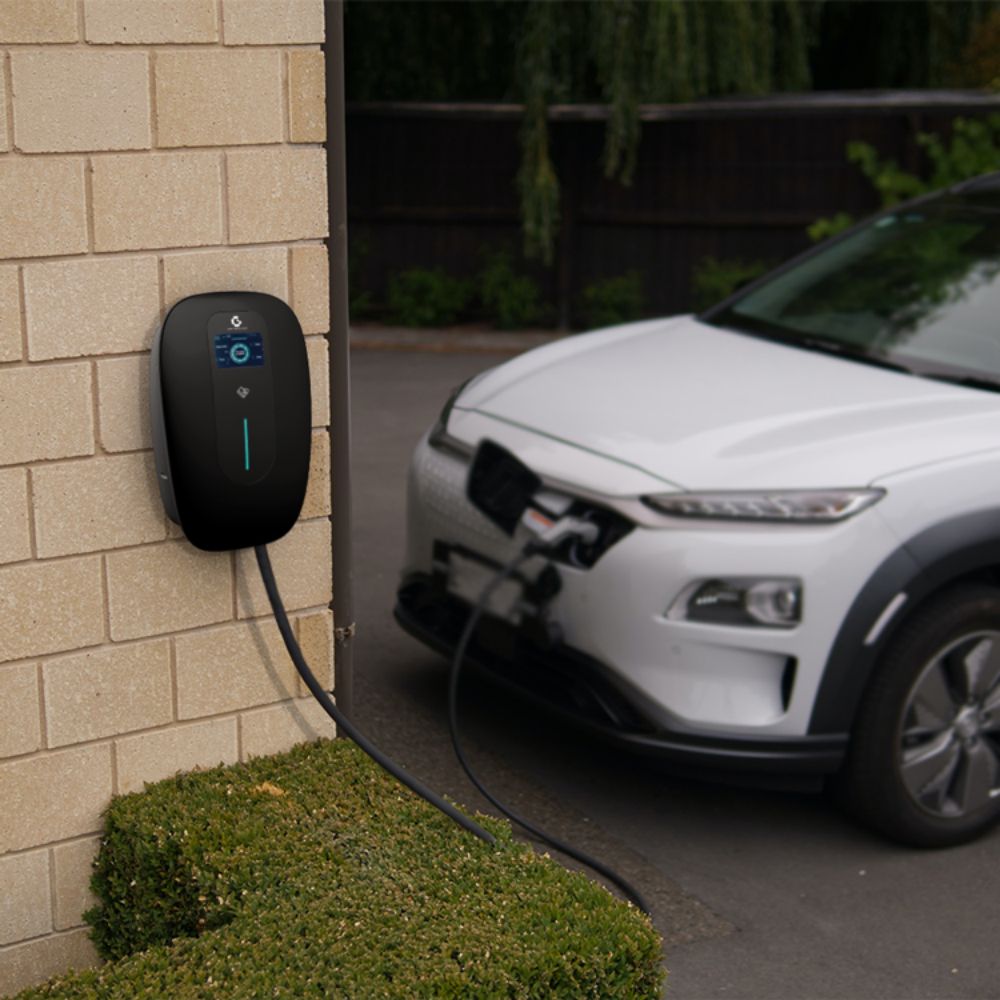
A critical aspect of the EV transition is the development of charging infrastructure. The government has announced plans to build a nationwide network of EV charging stations, with a focus on urban centers and key transportation corridors. This infrastructure is essential to support the growing number of electric vehicles on the roads and to ensure their practicality for everyday use. - Local Manufacturing and Innovation
Uzbekistan is also investing in the domestic production of electric vehicles and their components. The government has partnered with foreign companies to establish joint ventures aimed at producing electric cars, batteries, and other critical technologies. This not only reduces reliance on imports but also promotes local innovation and skill development in the automotive sector.
Challenges and Opportunities
While the transition to electric vehicles offers numerous benefits, it also presents several challenges:
- High Initial Costs
Despite incentives, the high cost of electric vehicles remains a barrier for many consumers in Uzbekistan. The price of EVs is still significantly higher than traditional internal combustion engine vehicles, making it difficult for widespread adoption among the general population. - Infrastructure Gaps
Although the government is committed to expanding EV infrastructure, the current lack of charging stations is a concern. For the transition to be successful, it is crucial to rapidly scale up the installation of charging facilities across the country, particularly in rural areas. - Energy Grid Capacity
The increased demand for electricity due to EV adoption will place additional strain on Uzbekistan’s energy grid. Ensuring that the grid can handle this demand while continuing to integrate renewable energy sources is a key challenge that needs to be addressed. - Public Awareness and Education
There is still a need to raise awareness about the benefits of electric vehicles among the Uzbek population. Educational campaigns and demonstrations can help overcome skepticism and promote the advantages of EVs, such as lower operating costs and reduced environmental impact.
Future Prospects
Uzbekistan’s transition to electric vehicles is still in its early stages, but the country has set ambitious goals. By 2030, the government aims to significantly increase the number of electric vehicles on the road, reduce emissions, and establish Uzbekistan as a regional leader in green technology. The ongoing development of local manufacturing capabilities, coupled with international partnerships, will be crucial in achieving these objectives.
Conclusion
Uzbekistan’s move towards electric vehicles represents a significant step in its broader strategy to modernize its economy and address environmental challenges. While there are hurdles to overcome, the country’s proactive approach, backed by government initiatives and a growing interest in sustainable technologies, positions it well for a successful transition. As Uzbekistan continues on this path, it has the potential to set an example for other nations in the region and contribute to the global effort to combat climate change through cleaner, more sustainable transportation solutions.