

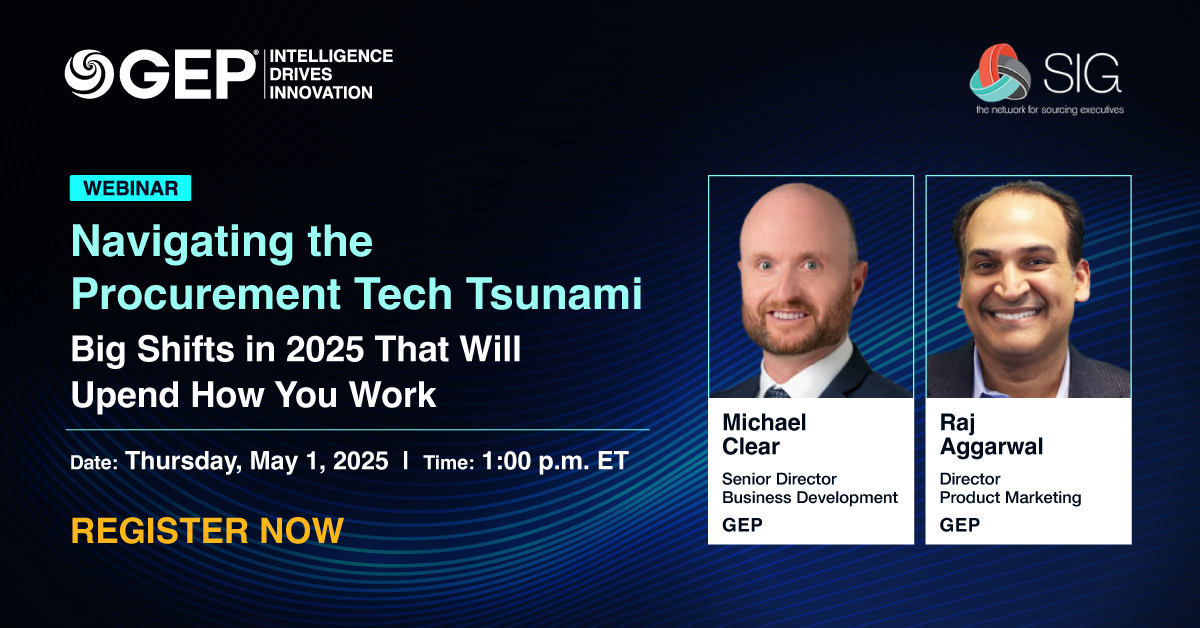
Tech Tsunami: What You Missed & Why It Matters
Introduction
Ever feel like you’re standing on the shore, enjoying the calm, and then wham! A wave of tech innovations comes crashing down? It’s not just new gadgets; it’s a full-blown tech tsunami reshaping our lives, businesses, and even our understanding of reality. And if you’ve been caught off guard, don’t worry, you’re not alone.
This isn’t just about keeping up with the latest trends. This is about understanding the fundamental shifts happening beneath the surface and preparing for the long-term impact. We’re talking about everything from AI’s relentless march to the Metaverse’s promise (and perils) and the ever-evolving landscape of cybersecurity. Ignoring this wave isn’t an option – it’ll leave you struggling to stay afloat. So, let’s dive in and dissect this tech tsunami, understand its consequences, and, most importantly, figure out how to navigate it successfully.
The Immediate Impact: Disruption and Adaptation
The first wave of this tech tsunami is all about disruption. Think about industries like retail, transportation, and even healthcare. AI-powered automation is streamlining processes, changing job roles, and forcing businesses to adapt or risk becoming obsolete.
- The Gig Economy and Remote Work: The pandemic accelerated the adoption of remote work and the gig economy. This offers flexibility but also presents challenges in terms of job security, benefits, and maintaining work-life balance. Companies are now scrambling to develop policies and infrastructure to support this new normal.
- E-commerce and the Death of Brick-and-Mortar?: The rise of e-commerce has undeniably impacted traditional retail. While brick-and-mortar stores aren’t completely dead, they need to offer unique experiences and integrate online and offline strategies to stay competitive.
- The AI Revolution in Customer Service: Chatbots and AI-powered customer service platforms are becoming increasingly sophisticated, handling routine inquiries and freeing up human agents to focus on more complex issues. This leads to increased efficiency but also raises concerns about job displacement.
- Increased demand for tech skills: A rapid digital transformation creates an unprecedented demand for tech expertise. Businesses are struggling to find qualified professionals who can manage new technologies, causing a skills gap in the market.
Long-Term Consequences: A New World Order
Beyond the immediate disruptions, the tech tsunami is fundamentally altering the fabric of society. These long-term consequences demand our attention and proactive planning.
- The Metaverse and the Blurring of Reality: The Metaverse, a persistent, shared virtual world, holds the potential to revolutionize how we interact, work, and play. But it also raises questions about identity, privacy, and the potential for addiction and social isolation. How do we ensure the Metaverse is a force for good, not a dystopian echo chamber?
- The Ethical Implications of AI: As AI becomes more powerful, ethical considerations become paramount. How do we prevent bias in algorithms? How do we ensure AI is used responsibly and doesn’t perpetuate discrimination? These are questions that require careful consideration and ongoing dialogue.
- Cybersecurity and the Ever-Present Threat: As our reliance on technology grows, so does our vulnerability to cyberattacks. The rise of sophisticated ransomware and phishing schemes poses a significant threat to individuals, businesses, and even critical infrastructure. We need robust security measures and a culture of cybersecurity awareness to mitigate these risks.
- Job Market Transformation: Automation and AI will continue to reshape the job market, leading to the displacement of some jobs and the creation of new ones. We need to invest in education and training programs to equip workers with the skills they need to thrive in the future economy.
Riding the Wave: Practical Solutions and Strategies
Okay, so the tech tsunami is real and impactful. But what can you actually do about it? Here are some practical solutions and strategies to help you navigate this ever-changing landscape:
- Embrace Continuous Learning: The tech landscape is constantly evolving, so continuous learning is essential.
- Online Courses: Platforms like Coursera, edX, and Udemy offer a vast range of courses on everything from AI to blockchain to cybersecurity.
- Industry Certifications: Consider obtaining industry-recognized certifications to demonstrate your expertise in specific areas.
- Stay Informed: Read industry publications, attend webinars, and follow thought leaders on social media to stay up-to-date on the latest trends.
- Example: A marketing professional could take a course on AI-powered marketing tools to learn how to leverage these technologies to improve campaign performance.
- Develop Adaptability and Resilience: The ability to adapt to change is crucial in today’s world.
- Embrace Experimentation: Be willing to try new things and experiment with different technologies.
- Develop Problem-Solving Skills: Focus on developing your problem-solving and critical-thinking skills.
- Build a Strong Network: Connect with people from different backgrounds and perspectives to broaden your horizons.
- Example: A small business owner could experiment with different e-commerce platforms to find the one that best suits their needs.
- Focus on Human Skills: While technology is important, don’t forget the importance of human skills like communication, collaboration, and creativity.
- Communication Skills: Practice your communication skills through writing, public speaking, and interpersonal interactions.
- Collaboration Skills: Learn how to work effectively in teams and build strong relationships with colleagues.
- Creative Thinking: Cultivate your creativity by exploring new ideas and challenging conventional thinking.
- Example: A software engineer could improve their communication skills by presenting their work at conferences or writing blog posts about their projects.
- Prioritize Cybersecurity Awareness: Cybersecurity is everyone’s responsibility.
- Use Strong Passwords: Use strong, unique passwords for all your online accounts.
- Enable Multi-Factor Authentication: Enable multi-factor authentication whenever possible.
- Be Aware of Phishing Scams: Be cautious of suspicious emails and links.
- Example: A company could implement a cybersecurity awareness training program for its employees to educate them about phishing scams and other cyber threats.
- Engage in Ethical Discussions: Participate in discussions about the ethical implications of technology.
- Read Articles and Books: Read articles and books on ethical issues in technology.
- Attend Conferences and Workshops: Attend conferences and workshops that focus on ethics and technology.
- Join Online Communities: Join online communities and forums where you can discuss ethical issues with others.
- Example: A university could host a series of lectures and workshops on the ethical implications of AI to educate students and faculty.
Alternative Approaches: Tailoring Your Strategy
Not every solution works for everyone. Here are some alternative approaches to consider, depending on your specific situation:
- For Individuals: Focus on developing skills that are in high demand, such as data analysis, cloud computing, and cybersecurity. Consider freelancing or starting your own business to take control of your career.
- For Businesses: Invest in training programs for your employees to help them adapt to new technologies. Develop a culture of innovation and experimentation. Partner with technology companies to leverage their expertise.
- For Policymakers: Develop policies that promote innovation while protecting consumers and workers. Invest in education and infrastructure to support the digital economy.
Conclusion: Riding the Wave with Confidence
The tech tsunami is undoubtedly powerful and transformative. But instead of being overwhelmed, you can choose to be proactive, informed, and adaptable. By embracing continuous learning, focusing on human skills, and prioritizing cybersecurity, you can not only survive but thrive in this new world.
The future isn’t something that just happens to us. It’s something we create, together. So, take a deep breath, embrace the challenge, and get ready to ride the wave. The opportunities are there for those who are willing to seize them. Don’t just watch the tech tsunami unfold – be a part of shaping its course. The future is waiting!