

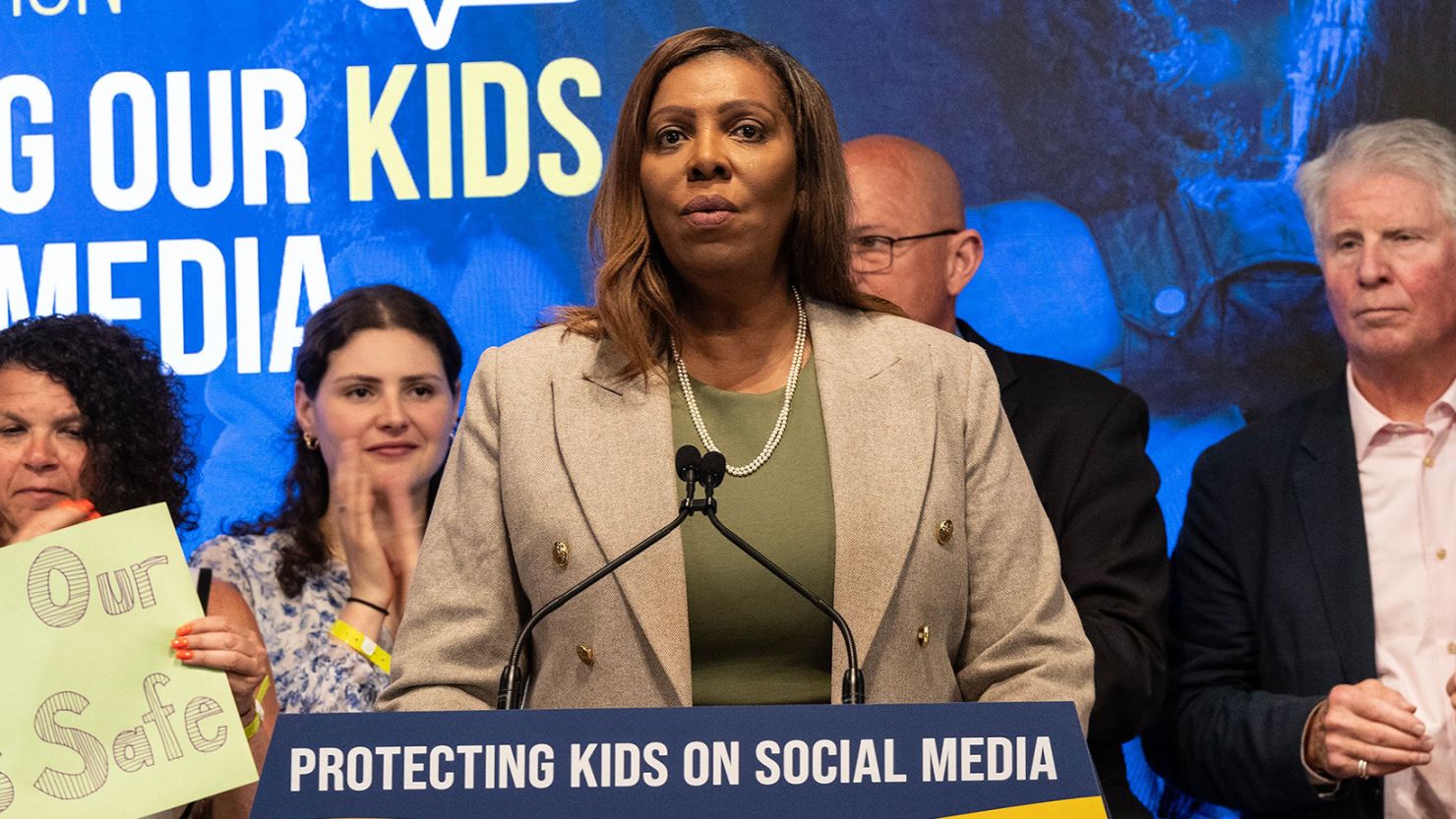
42 State Attorneys General Demand Surgeon General Warning Label for Social Media Apps
In an unprecedented move, 42 state attorneys general have come together to urge the federal government to place Surgeon General warning labels on social media apps. This united call aims to address the growing concerns about the impact of social media on mental health, particularly among young users. The effort highlights a national reckoning on the effects of platforms like Instagram, TikTok, and Snapchat, which have become integral parts of daily life but are increasingly seen as contributing to a mental health crisis.
The Rise of Concerns Over Social Media
Social media platforms have revolutionized communication, entertainment, and business, but they have also raised alarms about their potential harms, especially to younger users. Studies have shown links between social media use and a rise in anxiety, depression, and body image issues among teens and young adults. The pervasive nature of these apps, combined with algorithms designed to keep users engaged, has sparked concerns about their long-term effects on mental health.
In recent years, tech companies have faced mounting pressure from health experts, parents, and now state attorneys general, to take responsibility for the potential harm their platforms can cause. While many platforms have introduced tools to promote well-being, such as screen time limits and content moderation, the coalition of state attorneys general believes that these measures fall short.
The Surge in Legal Action
The 42 attorneys general, representing both Democratic and Republican states, have formally requested that social media apps carry a Surgeon General warning label similar to those used on cigarette packages and alcohol products. Their argument is based on the idea that social media, while not physically addictive like tobacco, has a similarly damaging effect on mental health, particularly for minors. The warning, they argue, would help inform parents and users of the risks associated with excessive use.
The attorneys general issued a letter to the U.S. Surgeon General, Dr. Vivek Murthy, urging the federal government to take swift action in regulating social media companies more stringently. In their view, labeling social media apps with warnings could be an essential step in helping the public understand the risks, especially regarding the negative impacts on mental health.
Surgeon General’s Role in Public Health
The U.S. Surgeon General has historically played a critical role in raising awareness about public health concerns. From the dangers of smoking to the opioid crisis, the office has been at the forefront of educating Americans about major health risks. A Surgeon General warning on social media apps would mark the first time digital platforms are treated with the same level of caution as potentially harmful substances.
Surgeon General Dr. Vivek Murthy has already expressed concerns about the mental health crisis among young people, which has been exacerbated by excessive social media use. In a May 2023 advisory, he highlighted the need for greater transparency from tech companies and more protective measures to safeguard young users.
Potential Impact on Social Media Companies
If the attorneys general’s request leads to action, social media companies could face a significant shift in how they operate. Warning labels could affect the way these platforms are marketed, especially to younger audiences. Additionally, they may be forced to take more aggressive steps to reduce harm, including revising algorithms, limiting engagement features, and strengthening content moderation efforts.
Such a move could also lead to further regulation, including stricter age verification processes and data protection laws for minors. While social media companies have often positioned themselves as platforms for free expression and community building, the growing body of evidence linking them to mental health issues may force them to prioritize user safety in new ways.
The Broader Push for Accountability
The attorneys general’s request for a Surgeon General warning label is part of a broader push to hold tech companies accountable for their influence on society. Across the country, there have been calls for stricter regulations on data privacy, content moderation, and mental health protections, particularly for younger users. The rise in lawsuits and investigations into the practices of tech giants like Meta (formerly Facebook) and TikTok reflects this growing desire for reform.
In some states, legislatures have already taken matters into their own hands. For example, Utah and Arkansas have passed laws requiring parental consent for minors to create social media accounts, while California has introduced the Age-Appropriate Design Code Act, which mandates that tech companies take additional steps to protect children online.
Mental Health Experts Weigh In
Mental health experts have largely supported the attorneys general’s call for action, emphasizing the urgent need to address the growing mental health crisis among young people. Many believe that a Surgeon General warning label would serve as a wake-up call for parents, schools, and users themselves.
Dr. Lisa Damour, a clinical psychologist and author of Under Pressure: Confronting the Epidemic of Stress and Anxiety in Girls, supports more stringent measures, saying, “Parents need to be fully aware of what their children are exposed to on social media. Warning labels could help shine a light on the potential dangers these platforms pose.”
However, some critics argue that a label may not go far enough. They suggest that comprehensive regulation, including stronger content moderation, more research into social media’s long-term effects, and holding companies accountable for their impact, is needed to truly address the issue.
Conclusion
The demand by 42 state attorneys general for a Surgeon General warning label on social media apps reflects a growing national concern about the negative effects these platforms have on mental health, particularly among young users. With tech companies under increasing scrutiny, this effort may represent a turning point in how social media is regulated. As the conversation around mental health and digital responsibility continues to evolve, the pressure on social media giants to prioritize user well-being is stronger than ever.